Thursday, December 14, 2017

How to drive an automatic car - a dummy’s guide
How to drive an automatic car - a dummy’s guide
Once only popular with elderly drivers and those unable to drive a manual car, automatic cars are now increasingly common.
Not only are they easier (and more relaxing) to drive than a manual, in some cases they can be better on fuel and can cost less to maintain.
If you haven’t driven an automatic car before, however, it can be all too easy to get behind the wheel and be totally perplexed by the lack of a clutch pedal and the array of options provided by the shifter.
Here’s how to get going quickly.

The basics

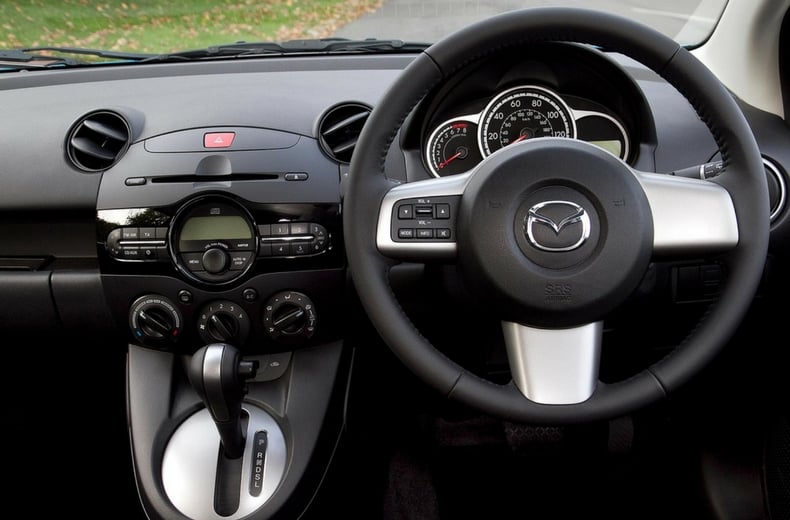
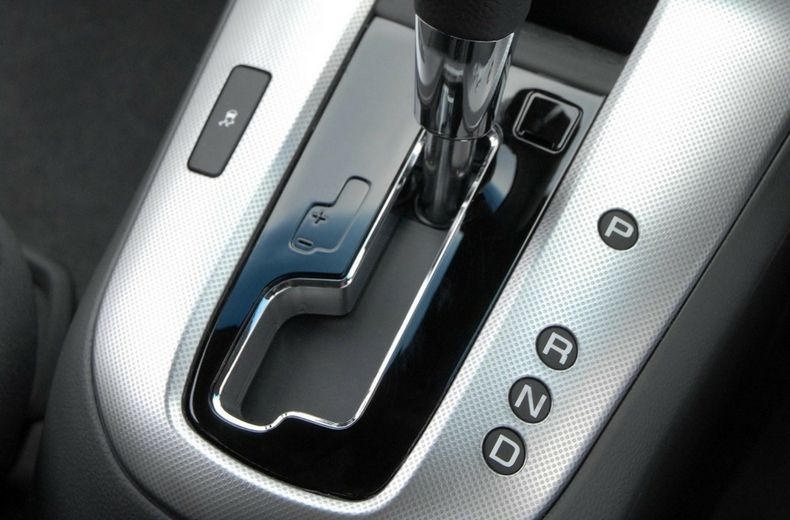
Most automatic gearboxes will let you select between ‘P’ (for park), ‘R’ (reverse), ‘N’ (neutral) and ‘D’ (drive).
  • Park should only be used when you’re stopped and getting out of the car. This ‘locks’ the transmission, preventing it from rolling away (but you still need to apply the handbrake when parked as well).
  • Reverse does as it says - acts the same as a reverse gear in a manual, and should be selected when you want to drive backwards.
  • Neutral is the same as knocking a manual gearbox out of gear. It shouldn’t be selected when moving - this is known as coasting - but can be used (along with the handbrake) if you’re stopped for a short period of time.
  • Drive will select gears automatically and allow the car to move forwards.
Some automatic gearboxes will also give you the option to select first or second gear. This will help in situations where you want to use the gearbox to keep your speed down - such as driving down a steep hill.
Having this option also helps to keep the revs down and stop the wheels from spinning when pulling away in certain situations.
For instance when moving off in snowy or icy conditions it is sometimes advisable to pull away in second gear to stop the wheels from slipping if it is particularly snowy - some automatics have a dedicated 'winter mode', however, that takes care of this. You can read more about driving in adverse conditions on our driving in snow page.
Other automatics will let you manually select any gear, either using the selector or paddles mounted behind the steering wheel. This gives the driver more control over how the car moves up and down through the gears.
Some drivers prefer this as it better suits their driving style and gives them more control over how the car performs, but the more you drive a manual car the more you will find out about the type of manual gearbox you prefer.

What to do when setting off

Although automatic gearboxes are generally very easy to use, the confusion comes when starting and stopping.
When you get into a car with an automatic gearbox, it should have been left in ‘park’.
Put your right foot on the left-hand pedal (the brake) and push down, start the car using the key or start button, and (with your foot still on the brake), move the shifter to ‘D’ (if you want to drive forward) or ‘R’ (if you wish to reverse).
Lifting your foot off the brake will cause most automatic vehicles to ‘creep’ forwards - this helps with parking or in low-speed traffic.
It might need a bit more gas if you’re on a hill or want to move off quicker.
Once moving, the gearbox will select the correct gear for the situation and do all the hard work for you.
When you’ve finished your journey and the car is stopped, keep your foot on the brake and shift the lever to ‘P’, turn the ignition off and exit the car.

The different types of automatic gearboxes

Although any car which changes gears itself without the driver having to use a clutch pedal is generally considered to be an automatic, there are in fact a number of different types of automatic gearboxes.

Conventional automatic gearboxes

These use a ‘torque-converter’ to do the job of the clutch, and are more refined than other automatic ’boxes, but will use more fuel than manuals.
Luxury cars such as the Range Rover and Volvo XC90 stick with a conventional automatic transmission - using as many as nine gears.

Continuously variable transmissions (CVT)

CVTs are popular in hybrid cars such as the Toyota Prius, as they do away with cogs in favour of a belt which acts as a single gear ratio.
As well as being more efficient and more reliable, they also make for a smoother drive as the car doesn’t have to skip between gears.
A downside is slower acceleration than other automatic gearboxes, and a loud, strained engine sound can occur if you attempt to make rapid progress.

Dual-clutch automatics

These types of gearboxes are similar to a conventional automatic gearbox, but two clutches (operated automatically) replace the torque converter.
They line up alternating gears, meaning the next ratio is prepared and allowing rapid gear changes.
They’re popular in VW Group cars - ranging from the DSG gearbox found in the Volkswagen Golf to the PDK used in Porsches.

Automated manual gearboxes

These aren’t as popular as they used to be, but are still used in cheaper cars such as the Skoda Citigo.
These act like a normal manual, but select gears automatically and operat the clutch by computer rather than using a pedal.
The downside of this is they can be a little jerky - just like a manual, there’s a small pause as the system works through gears.

KHỞI ĐỘNG VÀ NGỪNG XE , áp dụng cho xe số tay (manual gearbox) như Peugeot 404 , xem hình . 
Nên nhớ : một khi bạn biết lái xe số tay , bạn sẽ dễ dàng lái xe số tự động (automatic gearbox) . 
Trước mặt bạn , phía dưới có 3 bàn đạp (plate) : bên trái là bàn đạp ly hợp (clutch) hay gọi tắt là LY HỢP , bên phải là bàn đạp thắng hay gọi tắt là THẮNG , và bên phải của thắng là bàn đạp để tăng hay giảm tốc hay GA , xem hình .


Người ta khuyên nên để chân phải giửa thắng và ga , chân trái giử ly hợp .
. . .
4 . Trước nhứt xem bộ phận sang số (gear) có ở Neutral hay N ko ? (Neutral nghĩa là hộp số ko nối kết với động cơ) .

- Mở máy .
- Để chân trái hoàn toàn lên ly hợp (clutch) .
- Sang số từ Neutral (hay N) sang số 1 cùng lúc với chân trái từ từ nhả ly hợp và đồng thời chân phải đạp tốc độ hay GA (accelerator) .
Xe bạn bắt đầu chạy . Bạn có thể nhẹ nhàng tăng tốc và sang qua số 2 bằng cách đạp ly hợp lần nữa và chuyển sang số 2 bằng cách dùng chân trái đạp ly hợp và chân phải đạp nhẹ GA .
. . .
6 . Bạn có thể tăng tốc hay giảm tốc bằng cách lần nữa đạp ly hợp - sau đó sang số và nhả ly hợp đồng thời chân phải đạp GA .
7 . Trước khi thắng hay quẹo phải - ko nên quên nhìn kiếng chiếu hậu hay kính hông để kiểm tra khoảng cách - vì có thể có ai chạy nhanh sau xe bạn . Nhớ dùng đèn báo hiệu trước khi quẹo .
8. Tôn trọng luật giao thông , và giử khoảng cách với xe trước , ko nên thay đổi lane liên tục . . .
10 . Ko nên sang số thường xuyên ; cố gắng duy trì tốc độ tùy theo điều kiện giao thông .
11 . Cuối cùng là cách dừng xe . Chạy chậm bằng cách chuyển sang số 1 hay 2 . Trước chỗ bạn muốn đậu khoảng 40-50 m , đạp ly hợp và từ từ dùng thắng để giảm tốc .Khi bạn tới chỗ đậu , ngừng xe , lấy chìa khóa , rút chân khỏi ly hợp và thắng nhẹ để xe khỏi bị giựt (jerk) .

Dịch từ nguồn : https://www.quora.com/What-is-the-way-to-move-off-a-car-Should-I-release-the-clutch-very-slowly-and-then-give-more-gas-or-give-more-gas-first-then-release-the-clutch-very-slowly
Starting to Stopping the Car
4. Starting the car is the first step and what more if you start and take the first acceleration smoothly. Our personal recommendation for initial learning. Ensure that Gear is on Neutral /đầu tiên là để số ở neutral hay N .
» Switch on the ignition/mở máy .
» Put Left Foot on the clutch plate completely/để chân trái hoàn toàn trên bàn đạp Ly Hợp (clutch) .
» Time to Change Gear by Shift from neutral to first gear along with your Left Foot releasing clutch slowly/Bắt đầu sang số từ N sang số 1 (first gear) cùng lúc nhả bàn đạp ly hợp từ từ  and right foot simultaneously pressing accelerator/và 
đồng thời chân phải đạp tăng tốc 
Hurray !! the car has started moving/Hoan hô , xe bạn bắt đầu chạy. You can slightly increase the speed and shift gear to 2nd gear /Bạn có thể từ từ tăng tốc và chuyển sang số 2 by again pressing clutch plate and shifting to second gear using left leg/bằng cách đạp ly hợp và chuyển sang số 2 bằng cách dùng chân trái . and from right leg pressing accelerator slightly/ và chân phải đè bàn đạp tăng tốc vừa phải .
5. Remember, Its not Car Racing Competition. Slow Drive is a Safe Drive. Be Cool and Relax and Follow Lane Driving Approach
6. You can accelerate or slow down by again /Bạn có thể tăng tốc hay giảm tốcfollowing this process of pressing Clutch Plate/bằng cách  - followed with change in gear and releasing pressure from clutch with simultaneous foot pressure on acceleration
7. Before applying brakes or taking side turn - never miss to see rear view mirror or side rear mirror to check distance - there could be some one who may be on speed to overtake. Do not miss to give Proper Indicator with Apt Distance before taking Turns
8. Obey Traffic Signals, Rules and keep a distance with a car in your front ahead . Dont frequently change lane and dont make sudden jackup and jackdown speed of car
9. Avoid Attending Mobile Phone Call - It seriously diverts attention. While overtaking - be relax to make a wise judgement to overtake
10. Do not attempt to change gears very frequently. Like in split of seconds some people changes gears numerous times. Try to maintain a speed depending on traffic condition
11. Last comes stopping the car. Slow the car by coming back to either 1st or 2nd gear. Before 40 - 50 meters where you need to park the car,Press clutch plate and slowly use Brake to bring down the acceleration. When you have reached, stop the car, take the key out, pull your leg away from the clutch and brake gently and simultaneously to avoid a jerk.
Like one can not learn swimming by reading a book, one can not also learn driving while reading these tips - But If one follow the basics and Rules and go on the road - within a very short span of time - one can find him/her driving a real pleasure and fun


If you want a video tutorial, click here: 

Wednesday, December 13, 2017

Bà lão 100 tuổi ở Loma Linda , Nam Cali vẫn còn lái xe .

Khi đủ 100 tuổi, bà Marge Jetton đã gia hạn bằng lái thêm 5 năm nữa. Nhưng điều giúp bà sống khỏe là niềm tin Cơ Đốc giáo (bà theo Cơ Đốc Phục Lâm/Seventh Day Adventist). Giáo hội cổ vỏ và cung cấp cơ hội cho hội viên làm thiện nguyện. Người 100 tuổi như bà Jetton sống tích cực , tìm ý nghĩa của cuộc sống, và không bị trầm cảm bằng cách tập trung giúp đỡ kẻ khác. 


Meet Ryan, the six-year-old who made US$11 million in a year reviewing toys on YouTube

His channel, Ryan ToysReview has racked up an astonishing 8 billion views, making it one of the most popular in the world
PUBLISHED : Tuesday, 12 December, 2017, 12:38pm
UPDATED : Tuesday, 12 December, 2017, 8:53pm
When most people think back on the child celebrities of their time, they likely think of child movie actors, the well-trained stars of showbiz.
For some, these were stars like Mary Kate and Ashley Olson, or Macaulay Carson Culkin from Home Alone. For others, they were Judy Garland or Shirley Temple.
For kids these days, however, some of the biggest stars are not actors at all but YouTube stars.
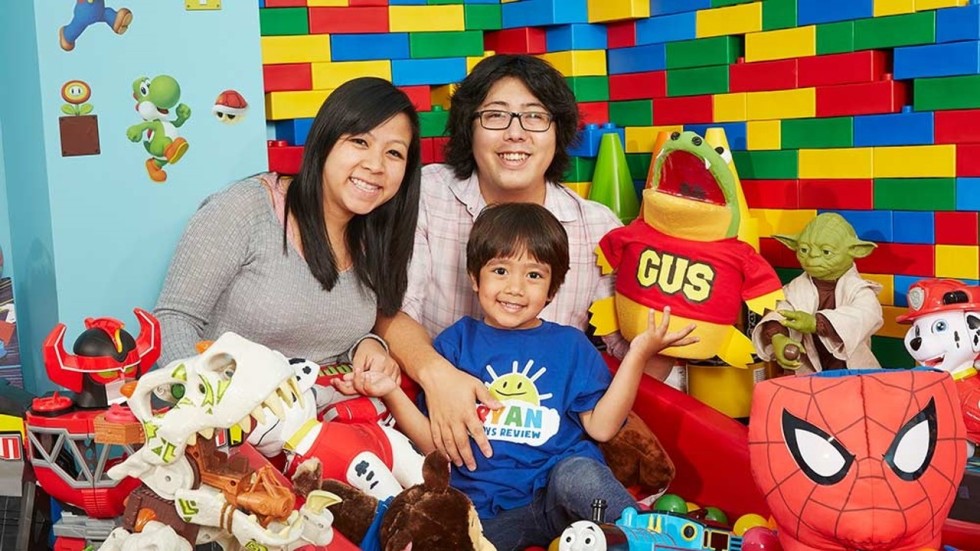
And one of the biggest of them all is a six-year-old named Ryan who plays with toys - mesmerising millions of children across the globe.
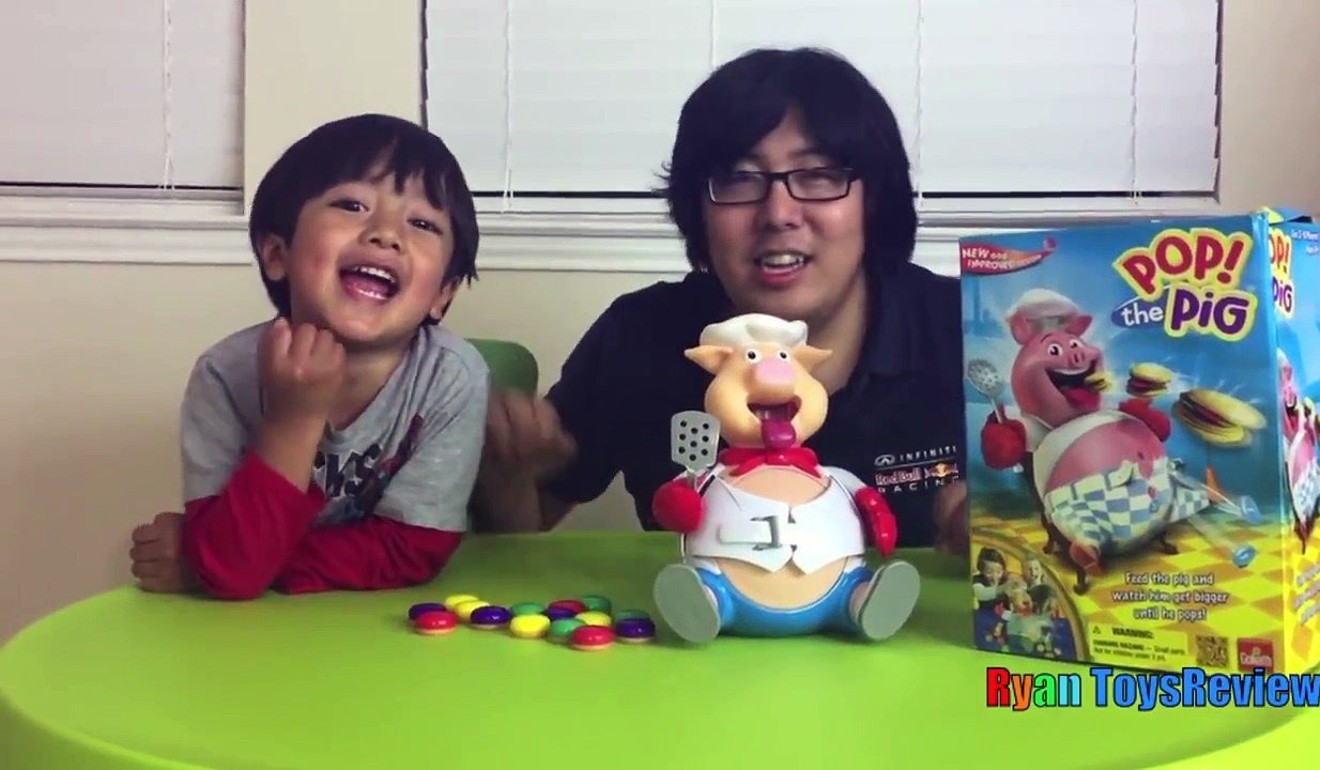
Since he was three years old, Ryan’s parents have been capturing videos of him opening toys, playing with them and “reviewing” them for videos posted on their YouTube channel, “Ryan ToysReview.”
Ryan’s last name, and his place of residence are a closely guarded secret, and not without reason.
Ryan has become a multimillionaire, according to Forbesmagazine’s just-out list of highest paid YouTube entrepreneurs. He was ranked number eight, having brought in US$11 million in revenue between June 1, 2016, and June 1, 2017, before management fees and taxes, of course. He tied with the comedy channel Smosh, created by Anthony Padilla and Ian Hecox.
Children everywhere have become hooked, watching his videos for hours a day, even mimicking him and starting their own YouTube channels. For some of his youngest fans, Ryan is not just some stranger on the internet. He is their friend.

Combined, the world’s 10 highest-paid YouTube stars earned US$127 million, up 80 per cent from last year. According to Forbes, this boost came thanks to ad dollars from a surge in views - including a healthy sum from “Ryan ToysReview”. During the 12 months considered by Forbes, “Ryan ToysReview” counted over 8 billion views.
What has grown into a viral phenomenon began with a simple, unremarkable 15-minute video about a Lego Duplo train set. When his family started recording and posting the videos in March 2015, the three-year-old barely had any views let alone reviews, according to a profile of Ryan in Verge. In his first video, he simply opened a Lego box, set up the blocks, and played with them.
“Ryan was watching a lot of toy review channels - some of his favourites are EvanTubeHD and Hulyan Maya - because they used to make a lot of videos about Thomas The Tank Engine, and Ryan was super into Thomas,” his mother, who declined to be named, told TubeFilter last year.
“One day, he asked me, ‘How come I’m not on YouTube when all the other kids are?’ So we just decided - yeah, we can do that. Then, we took him to the store to get his very first toy - I think it was a Lego train set - and it all started from there.”
Soon the boy started playing with not just one toy at a time, but two, and then dozens. About four months in, his channel saw an explosion of traffic, driven primarily by a viral video of Ryan reviewing a hundred toys at once. It is titled “100+ cars toys GIANT EGG SURPRISE OPENING Disney Pixar Lightning McQueen kids video Ryan ToysReview”. It currently has more than 800 million views.
“Ryan ToysReview” took off. Views started doubling every month. In January of 2016, he hit 1 million subscribers. A year later, he had more than 5 million. Now, he’s at more than 10 million subscribers.
In June, TubeFilter ranked “Ryan ToysReview” as the most viewed YouTube channel in the US for the 40th week in a row. In September, NBA player Kevin Durant was featured in one of Ryan’s videos performing a children’s science experiment.
Ryan’s popularity makes perfect sense. He’s got every small kid’s dream job, opening toys and playing with them, day after day. He’s smiley, too, totally non-threatening to parents and children alike. No bad words. No preachy banter.
In his most popular video, published April 13, 2016, Ryan’s mother films him as he crawls through an inflatable water slide, searching for giant Easter eggs. He cracks open each one to find various toys inside.
“It’s Lightning McQueen!” he says excitedly as he opens one to find a toy car from the Disney movie Cars. And wow, in another there’s a character from Paw Patrol, in another, there’s Spiderman.
“I bet there’s a bad guy in there,” he says, gesturing at one of the uncracked eggs. “Who do you think it is, kids?”
He spends much of the rest of the video tossing the toys down the water slide, playing with them in an inflatable pool.
Ryan’s got great timing too. He specialises in the slow reveal, like the opening of those eggs, and in surprise.
Of his 30 most popular videos, more than half include the word “SURPRISE” in all caps in the titles: “GIANT EGG SURPRISE,” “HUGE EGGS SURPRISE TOYS CHALLENGE,” “BALLOON POP SURPRISE,” “SURPRISE TOYS Giant Ball Pit Challenge.”
There’s no overthinking, no “why is this toy better than another,” no analysis, something adults describing “Ryan ToysReview” just can’t resist.
The channel was described by Verge as “a mash-up of personal vlog and “unboxing” video, a blend of innocent childhood antics and relentless, often overwhelming consumerism.”
“Unboxing” refers to one of today’s oddest and most lucrative genres on YouTube. The videos are exactly what they sound like: footage of people opening packages of newly purchased items, the latest Apple devices, Chanel, Louis Vuitton.
Each time someone clicks on one of Ryan’s videos, his family makes money. There are ads and links to ads all over the place.
Ryan has real impact.
“If a product gets 10 million, twenty millions views, and you see that Ryan loves it, or other kids love it, it has a huge impact at retail,” Jim Silver, CEO of the review site Toys, Tots, Pets, and More, told the Verge when Ryan was still 5 years old. “He’s really the youngest success that we’ve seen. Most of the time the kids were in the six-plus range, just because of the vocabulary and the maturity to do a review.”
His parents told TubeFilter in September of last year that 99 per cent of the channel’s videos aren’t branded. At the time, the parents said they paid for all of the toys that Ryan reviewed. It’s unclear how many toys he currently reviews are sent to him by sponsors, but his video descriptions often include dozens of links to name-brand items. According to his channel’s “about” page, the family donates most of the toys to charity after Ryan reviews them.
Many videos include Ryan doing things other than playing with toys. They show him going to get a haircut, playing hide and seek in a hotel, and attending his twin siblings’ birthday party.
“We post a new video every day, and we typically film two to three videos at a time two to three times per week,” his mom told TubeFilter. “We try not to interfere with Ryan’s pre-pre-school schedule, so a majority of the filming takes place during the weekend, and then we’ll edit while he’s in school.”
But even with just a few daily snippets of Ryan’s routine, his viewers can virtually insert themselves in his life. And for some young kids, the line is blurred between what’s real and what’s simply a part of Ryan’s videos.
“My 5-year-old EATS THIS STUFF UP!” one mother, Lindsay Weiss, wrote in a blog post titled “Ryan’s Toy Review may be the death of me.”
“It is literally the only thing he watches on YouTube and the other day I caught him talking back to Ryan telling him he had missed an important feature in the new game ‘Don’t Wake Daddy.’”
“Honey, you know Ryan can’t hear you, right?” Weiss said she told her son.
“He doesn’t need to hear me, Mama,” her son responded, Weiss wrote. “He just KNOWS.”
Other parents have left scores of messages on Ryan’s YouTube channel, thanking him and his parents, saying their kids sometimes watch his videos for hours a day.
“My son is autistic,” one parent wrote. “Your videos are helping him to speak, use his imagination, and properly use toys! He enjoys these videos several times a day and i would just love to say thank you!”
“Ryan, my boy loves your toys reviews, every day he watches your videos,” one mother posted. “Today he asked me ‘mom, when we gonna visit Ryan?’, I told him that is not possible because we live in different countries, maybe when you will grow :)”
The greatest testament comes from the children themselves though.
“hello ryan,” one of them wrote recently. “ … i am 5 years old i am in my dad’s account how old are you also i love your videos.”