
 By chientranh
Showing posts with label quân đội úc. Show all posts
Showing posts with label quân đội úc. Show all posts
Saturday, June 21, 2025
Saturday, May 10, 2025
Ops while with 6RAR [Nov 24 1969 until ANZAC Day 25 Apr 1970] - Major Torrance
Maj EJ Torrance RNZIR 1970 [Gundersen]Operations ROSS and MARSDEN
By November 24th we had completed nine days of pre operational training and were ready to join the other companies of 6 Royal Australian Regiment (RAR)/NZ (ANZAC) Battalion that had been in theatre for just over six months. At that time they were deployed on Operation Ross in an Area of Operation (AO) known as Linton. On the 24th we air assaulted by Iroquois helicopters into An Thuan Bien with the task of re-searching the area of the padi fields south of Xuyen Moc. Everyone was very keen but at the same time cautious. We didn’t have to wait long before the first report of a contact was signalled to company headquarters. On our second day out Lt Bill Blair’s 1 Platoon was setting up an ambush when a lone Viet Cong (VC) surprised the sentry and was able to make his escape minus his pack. We don’t know who got the biggest fright but it quickly reinforced the need for constant alertness and the doubling of sentries to give soldiers the reassurance that they sometimes need to open fire. During the next five days all platoons found signs of the enemy in the shape of abandoned camps, caches and tracks. It was a good settling down operation and we were confident that we would give a good account of ourselves in the days ahead. The company was moved into Fire Support Base (FSPB) Discovery to prepare for the next operation.
Our next operation was code named Marsden and planned for the AO designated as Gulliver. The AO lay astride the main VC approach and resupply routes into the Phuoc Tuy Province from the North. Of particular interest to our Australian CO, Lt Col David Butler, was the Nui May Tao hills to the east of the allocated AO. For some years these hills had served as a logistic and supply area for the VC. The intelligence indicated that we might be onto something big in this area and all the W3 disembarking at FSPB Picton [Young]company commanders were keen to have a piece of the action. I remember being very disappointed when the company tasks were allotted. We were being sent off in the opposite direction to everyone else. Obviously, as far as the CO was concerned, this was a job for the old hands and the new boys would have to wait their turn. The operation began December 1st with our company being airlifted from FSPB Discovery to the newly established FSPB Picton in AO Gulliver.
W3 disembarking at FSPB Picton [Young]
When we landed FSPB Picton was still in the throes of being developed. Everywhere you looked there was a hive of activity. With so much air activity the area was a constant dust cloud. We all looked up in amazement through the haze when the first Sky Crane helicopter appeared carrying a bulldozer suspended on steel wire ropes. It looked like a giant praying mantis carrying some prey that it had plucked off the ground. Such was the down draft and dust that we decided to move our perimeter defence further away from the developing base.
Our initial direction of movement was to the southwest towards the Song Rai and Suoi Loc streambeds. The terrain was fairly flat but difficult to move through. The area had been defoliated some time earlier, probably with Agent Orange, and the secondary growth was thick and matted. It was very hot and shade was limited. The sooner we got into the shade afforded by the natural trees the better it would be for everyone. We didn’t have long to wait before the first incident reports started to roll in. Lt John Fisher’s 3 Platoon was first off the cab rank with reports of recent enemy presence and the finding of caches of grenades, mines, and Bangalore torpedoes (explosives in a long pipe and used to blow a path through wire fences and minefields). Once we reached the Song Rai we changed direction and followed the line of the stream to the north. It was on the Song Rai that we made our first major contact with the VC. 1 Platoon drew first blood and when the firefight was over three VC had been eliminated. Hardly a day went by without some form of incident. Our first medical evacuation by air in an Iroquois air ambulance codenamed “Dustoff” was for a soldier with a poisoned foot. Then there were the discovery of bunkers, camping equipment, ammunition, more mines, food and documents. There was never a dull day. On December 11th a reconnaissance patrol from 2 Platoon, led by Sgt Dave Heywood, came across an enemy camp late in the afternoon. They reported fires, the smell of cooking, and the sound of female voices and estimated there could be 30-40 occupying the site. We decided to attack at first light from one direction and use the artillery and helicopter gun ships to cover possible escape routes. The assault resulted in one VC killed and the capture of numerous weapons. The enemy had a well-concealed escape route along the dry riverbed and was probably making their escape by the time that we launched the attack. When it was all over the gun ships hovered over our position for some time and appeared reluctant to leave. Our company radio operator, Cpl Peter Glendinning, called me over to the radio and informed me that the pilots wanted to know whether they could get their hands on some of the AK47 rifles that we had captured. I promised them that I would look into it when we returned to base. I didn’t have the heart to tell the American pilots that trading captured weapons was a big no-no in the Task Force. We later found out that the group in the camp came from the Ba Long Rear Services and the Ba Long Province Procurement Section.
After the assault we continued to patrol and search the general area of the camp without finding anything of significance. As a result weentrance to VC cache [Philips] were redeployed by helicopter to an area east of the Nui May Tao hills to follow the movements of B Company. At the same time 1 Platoon was given a separate task of moving to FSPB Picton to assist with its security. We were tasked to check again and see if we could locate a reported prisoner of war camp and munitions factory. Intelligence information had suggested that some USAF aviators could have been held captive in the area. Documents that we found indicated that there could have been installations of these types in the area, but nothing of real importance was discovered. We stayed in this area conducting patrols and ambushing until December 27th when we were extracted by helicopter to Nui Dat. The extraction brought Operation Marsden to a close.
entrance to VC cache [Philip]
During Operation Marsden I recorded these general observations that at the time were interesting: There was no water available from local sources. As a result all water had to be airlifted in four-gallon plastic jerry cans. The days were very hot but the temperature plummeted at night. I had to use a blanket in the early hours of the morning! Days went by with much the same routine and as a result we had difficulty remembering whether it was Wednesday or Sunday. Our signallers always knew so they ran the company headquarters guessing competition as to which day of the week it was. Our field rations were excellent. On resupply day we would get a hot meal from our own cookhouse and a mixture of American and Australian dry rations to see us through to the next resupply. I was amused that even cigars were available for those who wanted them! On Xmas day we were in the field. War like activities were reduced to a minimum to take advantage of parcels provided by the good folk of Raglan in the Waikato.
On December 27th I spoke to the whole company soon after arriving back in Nui Dat. This is what I said taken word for word from my Field Message and Notebook (Aust Military Forces (AMF) AAB 64. “Congratulations on the way you have worked during the past 34 days of our first operation – and I include our cooks, Q staff and the base element. Perhaps not as successful as we would have liked, however judged on the standards set by our predecessors it is well up there. During this period of backslapping I wish to issue a note of warning. Far too many of you still look upon the operations as an exercise – you must be constantly aware of the VC threat. Talking, coughing, banging mess tins and unnecessary loud chopping and digging noises all too frequent. Make a point of cutting down the noise level. General security – bunching, sentries not alert and “coffee housing” – we need to improve. Handling of firearms and explosives – no unauthorised discharges so keep it up – look at the placement of grenades on your webbing. Speed of movement – a command problem to control but endeavour to cut down the speed of movement. Behaviour in base. War is a man’s game – it is a unique experience for us all – we are ambassadors for our country – therefore as we are a small group our behaviour both good and bad is noticed – be on your best behaviour in this base – obey the rules – take it easy – act like grown men and enjoy yourself without going overboard – don’t touch arms or ammo, pyrotechnics etc as they could lead to death – don’t steal vehicles. Only by being well behaved will we win the respect and admiration of the other companies and the Australians. Rumours – don’t spread them. Identity discs to be worn at all times”.
A Late Christmas2Pl waiting at Eagle Farm LZ control facility for the arrival of helicopters [Philip]
We didn’t have to wait long before being deployed again – all of two days! The operation was called Bluewater and the AO called Drury. The idea was for the battalion to keep a company in the area between December 30th and January 7th 1970. On the 30th we were airlifted into a landing zone (LZ) on the Suoi Lo O Lon from whence we began to search to the northeast. We had been led to believe that up to 100 VC had been sighted in the area. Well, after three days of continuous movement and no sign of recent VC occupation we were extracted to Nui Dat.
2Pl waiting at Eagle Farm LZ control facility for the arrival of helicopters [Philip]
We all felt that we had been on a three-day route march and were looking forward to the belated celebration of Christmas and New Year on 1 January 1970.
Our base element looked after us very well. There was plenty to drink and a great range of excellent food. Sgt Ted Gorman had mentioned to me that he had a couple of turkeys in the oven for our festive season lunch. Two turkeys for 120 hungry soldiers didn’t sound right so I asked him why so few turkeys? He invited me to the kitchen to have a look at the American birds in the oven. There before me were the biggest turkeys I have laid eyes on – there was only room for one per oven. And yes, there was plenty of turkey meat and other goodies to go around. We all had a very relaxing time and Paul Edmonds the NZ Ambassador in Saigon joined us for lunch. Even had some Deep Cove beer that wasn’t too bad!
Operation Napier
Our next deployment commenced January 10th and was named Operation Napier. On that day we air assaulted into a LZ in preparation for a battalion cordon and search of Ap Ngai Giao village on Route 2. By last light on January 11th the cordon had been closed and a detailed search of the village had been started. We were part of the outer perimeter and never got the opportunity to see the village or any of its inhabitants. My lasting memory of this part of the operation was slipping over crossing a stream and receiving a good soaking, including my spare clothes. As a result I spent an uncomfortable night in the cordon where we were not able to cook and carry out our normal night time routine. We heard later that the search of the village didn’t turn up anything of major significance. If anything it probably alienated the inhabitants and made them less likely to support us in the future. On the 13th we moved out of the cordon area by APC to an area to the west of FSPB Peggy.
Operation Napier continued without a break to February 12th. Little did we know at the outset that this deployment would be the most action packed of our tour. Hardly a day went by without an incident involving the VC. It was also the first time that we were to suffer severe casualties to our own personnel. The first major contact was made by 3 Platoon when they captured a platoon commander of a finance platoon and killed a VC. The next day the CO 1RNZIR in Singapore, Rob Williams, made an overnight visit to our company headquarters and his training warrant officer, who accompanied him, stayed on for an extra couple of days. This was by way of a reminder that routine visits went ahead in the field despite the fact that there were a number of VC about. A few days later a Chiu Hoi (former VC soldier who had agreed to work for the Vietnamese Government) joined us. They were particularly useful in giving us guidance about VC operational techniques and interpreting the significance of installations and equipment that we discovered. But of course we couldn’t always rely on the information that they gave. It was a matter of making our own judgment as to the veracity of their advice. This Chiu Hoi was sent off to join 3 Platoon.
At this time the platoons were operating independently some two to three thousand metres from the Coy HQ base which was static. The reason for Coy HQ to remain in one place was twofold. Firstly, the area that we have been allocated is not large. Secondly, a fair proportion of the area is rubber estate, some of which is still being tapped. Strangely enough we had difficulty communicating with each other in rubber with the signals reluctant to “bounce” off the rubber trees. By staying put we are able to deploy larger aerials above the rubber tree canopy. We had sufficient personnel at Coy HQ to mount a fighting patrol most days and there was never any shortage of volunteers. It was a good way of keeping everyone sharp and alert and there was always the chance of making a contact with the VC! Back in Nui Dat there was little for the Assault Pioneers to do so they were assigned to our company for tasking. Purely by chance I put them in an area that would prove to be very active and, as a result, was chided by my platoon commanders for having allotted them such a productive zone. They were allocated call sign 62 and made 13 eliminations while under our command. Our Coy HQ base location covered a natural clearing that we used as a LZ [landing zone]. A machine gun post was permanently manned and its arc of fire covered the LZ. Shortly after an Iroquois had left from the LZ two VC were seen to approach the LZ making directly for the company base. They were engaged and killed. One of them was carrying a US Army issue hand torch in near brand new condition. One of the torch filters had been hand carved in the shape of a star and his name was on a piece of paper wedged into the base. I still have that US Army/VC torch.
A 24-hour truce was put in place in Vietnam to coincide with Chinese New Year or Tet as it is called. During that period there was no gunfire, no aircraft movement and no patrolling. We were pretty sure that the VC would have used the truce to move about unhindered – that is, if they knew a truce was in force! On January 28th 1 Platoon had a contact which resulted in our first casualties. During the contact a soldier threw a grenade which rebounded off a tree and resulted in four men being hit by fragments. They were evacuated to the Australian 1 Field Hospital at Vung Tau. Fortunately none of them were seriously hurt and all returned to their platoon some time later. This embarrassing accidental wounding of our own soldiers was partly offset by the fact that we captured a VC in the same action.Pte David Wright RNZIR - DOW 19 March 1970
Our good fortune wasn’t to last much longer. January 30th was a sad day for us all. At 1120 hours Bob Upton’s 2 Platoon made contact with armed VC and wounded one. They followed up the blood trail and were ambushed by a group of about six. This resulted in two of the platoon being seriously wounded. David Wright died March 19th in Australia from the wounds that he had received January 30th and Dave McLeod was evacuated to NZ with gunshot wounds to his thigh and arm. Two VC were killed in this action. The serious wounding of two of our soldiers made us all take a reality check. I reemphasized to the platoon commanders the need for constant vigilance and careful appreciation of the situation before committing soldiers to the pursuit of VC.
Pte David Wright RNZIR - DOW 19 March 1970
The next major incident involved 3 Platoon on February 8th. A VC group made contact with the last man in the platoon patrol formation. The VC had obviously mistaken our soldier for one of theirs and tried to start up a conversation in Vietnamese. Our “tail end Charlie” quickly summed up the situation and replied with rifle fire. When the firefight was over three VC lay dead. A check of the equipment and rations that they were carrying revealed Australian issue mosquito nets and ration packs. It would be fascinating to do an audit to determine how they came to have these Australian sourced items. On February 12th we were back in Nui Dat preparing for our move to the Horseshoe.
I took the opportunity as soon as we had returned to Nui Dat to speak to the entire company. The notes that I wrote before the talk are as follows: “Speak for 10 minutes then invite questions. I want to talk about the two wars – a. VC b. Liquor and the consequence of over indulgence. first the VC. Congratulations everyone on the way you have worked on the past operation. Over 20 eliminations to the company – 30 if the Assault Pioneers total added. Own Casualties – Two. Pray that Dave McLeod and David Wright will make rapid recovery to full fitness in short time. Not a time to sit back and gloat. Overconfidence only leads to fall in standards and security. 2nd Liquor. 90% of non-operational problems stem from over indulgence in alcohol. It should be your aim, for it is mine, to ensure that as few members as possible get themselves into trouble. Blind eye turned over Xmas/New Year. As we are in an operational zone certain rules must be obeyed – drink only in the canteens provided – drinking in lines strictly forbidden”.
About this time I wrote an assessment of the situation in Vietnam and this is what I penned. “We are reasonably optimistic about the outcome of the war. There are not all that many VC about now and those that are around have very low morale and exist by stealing food from the villages as a lot of them are close to starvation level. Around us at the moment are about 10-12 battalions made up of Aust, ARVN and US forces. Apparently the US and ARVN forces have next to no VC in their areas so they have come here to try and catch what few we have. The VC are expected to mount a Tet offensive any day but it is difficult to see how he can possibly succeed. We have a number of ex VC working for us as scouts. They are really amazed and naturally delighted to find out that the US and Allied Forces aren’t as sadistic as they had been led to believe”.
Horseshoe Deployment.extinct volcano with collapsed wall at south end gave the feature the 'horseshoe' name. Dark plantation top left is Nui Dat [Young]
As planned we deployed to the Horseshoe Hill on February 15th. This heavily defended hill feature some 15 kilometres SE from Nui Dat was to become our home for the next six weeks at least.
extinct volcano with collapsed wall at south end gave the feature the 'horseshoe' name. Dark plantation top left is Nui Dat [Young]
Besides being responsible for its defence we were to undertake the training of ARVN soldiers – something very different from the routine patrolling and ambushing that we had been doing. We had quite a challenge in store. The Horseshoe was a dormant volcano “horseshoe” in shape and only 80 metres high. However, as the surrounding country is as flat as the proverbial billiard table the view was unsurpassed and of course the hill dominated the surrounding countryside. On arrival we took under our wing the following personnel and equipment: A Squadron 1 Armoured Regiment (Australian) x 15 [people] with three Centurion tanks, Administration Company drivers x 2, 1 Aust Training Team Vietnam (1ATTV) x 1, 104 Signals Squadron x 3, 110 Signals Squadron x 2, 131 Divisional Locating Troop with locating radars x 13, US Searchlight team x 5, 17 Construction Squadron x 1, 1 Field Squadron x 44, Support Company Mortars x 10, Interpreters x 6, Assault Pioneers x 5 and US Army 105mm tracked howitzer battery x 95.
On February 18th we were forewarned to stay under cover while a spray aircraft flew overhead and dosed the area with a DDT mixture to combat the mosquitoes that were spreading malaria. I recall telling everyone on the Horseshoe about the spraying operation and it was accepted at the time as a routine anti malarial spraying mission. Some years later I was surprised to read that some of the soldiers had claimed that the spray was the defoliant Agent Orange that is linked to some serious health problems that ex Vietnam soldiers suffer. The next day Major John McGuire (V5 Company) arrived to have a look around during the course of his pre deployment reconnaissance.
We were not expecting the ARVN soldiers until February 28th so we decided to undertake some refresher training on a roster basis with, at any given time, one platoon away patrolling. The refresher training consisted of range practices and zeroing of personal weapons and the M79 grenade launcher, dry training and shooting of the M60 machine gun, handling of flares and tripAPC adapted to roll over & detonate anti-personnel mines [King] flares, firing the Claymore mines, movement and formations in open country, badges of rank of US, ARVN and Police Forces, checking of civilian identity cards and work papers and medical first aid. The live firing was conducted on a small firing range just outside the perimeter on the north side. It was very basic and had been used by a number of companies before us.
APC adapted to roll over and detonate anti-personnel mines [King]
The weather continued to be very hot and dry. The engineers were operating a quarry on the Hill and the dust from that operation was tremendous. We couldn’t get away from the dust and it was everywhere. A brick red film covered everything. We kept the dust moving by wiping the tables and desks constantly, shaking and brushing ones clothes and giving the bed a few whacks before retiring. mineclearing on the Horseshoe perimeter [Young]
mine clearing on the Horseshoe perimeter [Young]
Some years earlier a minefield had been laid from the Horseshoe to the coast a distance of about 9000 metres. All military manuals state that a minefield can only be effective if it is covered by sight and by gun fire. This minefield was out of sight most of the time and as a result the VC started to lift the mines and use them against us. The decision was then taken to remove the minefield. Lifting the mines by hand was out of the question so it was decided to have the Engineers use their plant and ingenuity to clear the minefield. They modified an APC to assist with the clearing. Extra plates were welded to the sides and underneath and a boom attached on which they threaded large used tyres. The APC moved backwards and forwards through the minefield with the mines being detonated by the tyres. From the Horseshoe we could see and hear this clearing being carried out and it continued throughout our stay there.
Training Vietnamese
B Company 5 Cavalry Regiment 18 ARVN Division soldiers arrived at the Horseshoe as planned and we set about to train them for operations against the VC. They were all very “green” and apart from their very young commander who had been trained at the Dalat Military Academy in Vietnam their military knowledge was minimal. We decided that the best way to teach the ARVN was to integrate our soldiers into their organisation and to show them by example. This method of instruction soon paid off. The ARVN platoons had two very successful contacts when ambushes set up on nearby tracks were initiated. Their morale took a leap with these successful operations and they were keen to prove that they had the making of a competent unit. The Task Force Commander was keen to prove that that it was feasible to move a force north of the Nui Dat base in APC’s avoiding the main rARVN troopers on the range outside the Horseshoe [King]oad known as Route 2. He saw the requirement to return the ARVN Company to their base at Xuyen Loc as an ideal opportunity to test whether an alternative route was possible. I was given the task and set about to plan our move that we estimated would take five days. During our overnight stops aggressive patrolling and ambushing would be routine. My lasting memory of the trip was seeing soldiers being knocked off the backs of APC’s by overhanging branches, being for ever tossed about, the constant replacement of thrown tracks and the remarkable outcome being that no one was killed or seriously injured. We got to our destination having had some successful overnight contacts on the way. The ARVN Company was on a high and most grateful for the training that they had received. We heard later that they had had a very successful first operation in which they eliminated 64 VC without any own casualties. Fortunately, we were allowed to return to the Horseshoe via Long Binh where we made an overnight stopover. The American base had a perimeter of about 80 kilometers and included three airfields. We had never been in such a vast establishment and we were all eyes and ears. The Americans were very generous and plied us with clothing and equipment that we had only dreamed about. They explained that once military items leave the continental US they are “written off” so they could afford to be generous and there were no soldiers more deserving than their Kiwi and Aussie mates!
ARVN troopers on the range outside the Horseshoe [King]
Our month of training and operations with the ARVN had gone off well but it wasn’t without incident. On March 11th an unexploded M79 grenade on the makeshift firing range was trodden on by one of the ARVN soldiers. Two ARVN soldiers and one of our own received minor shrapnel wounds and were medevac'd to Vung Tau to 1 Aust Field Hospital. They all returned to duty within a few days. In another incident an ARVN soldier lost part of a finger as he sat eating his meal in the ARVN mess tent. How he came to lose part of his finger was a complete mystery. His company commander, through the interpreter, told me not to worry as the soldier had probably cut off the finger so that he could be repatriated home. The soldier was in good spirits and he didn’t want to make too much of the incident. A short time later word came through that one of the soldiers manning the machine gun overlooking the entrance to the Horseshoe had had an accidental discharge during routine maintenance of his personal weapon. The CSM Doug Mackintosh and I did an investigation of the unauthorised discharge and came to the conclusion that the bullet had been responsible for the loss of the finger. We located the small hole in the side of the tent where the bullet had entered and from the line of trajectory assumed that the bullet had ended up embedded in the ground. I charged the soldier responsible and to this day we are thankful that no one was killed.
With the ARVN gone we got back to the routine that we had prior to their arrival. One platoon would be out on patrol/ambushing, one platoon securing the feature and one platoon on other tasks like providing protection for the engineers doing the minefield clearing. We were getting tired of the Horseshoe with its dust and the boredom of manning sentry posts. We were approaching the two-month mark, which was a longer period than any other Company had had on the feature. Nevertheless, we kept up the intensity with our operations and were rewarded with some successful contacts. In one very successful ambush 1 Platoon eliminated 5 VC who were part of a resupply party making their way towards Dat Do. We were very pleased to see the advance party of C Company 7RAR who had been assigned to take over from us. We were looking forward to rejoining 6RAR for the last part of their final operation in Vietnam.
After the Horseshoe
We left the Horseshoe on April 15th and the next day we were aboard APC’s heading 75 kilometres to the southeast to join 6RAR. It was very hot and dusty so we were pleased that we didn’t have to walk! It was forecast that it would stay very hot (5-10 deg C above normal) until the start of the rainy season next month. The operation was called Townsville in AO Auckland and yet again we thought that we were being sent on a wild goose chase well away from where other elements of the battalion were operating. As it transpired we had a very active few days. Some weeks earlier I had been shown an overlay of the province with all the contacts/incidents marked on it. It was interesting to note that a lot of the contacts had been taking place in the same areas and therefore those locations might be worth looking at again. When we had taken the ARVN Company back to Xuyen Loc we had spent a couple of days in the Courtenay Rubber patrolling and ambushing spots where there had been earlier contacts. This technique had proved very successful. Therefore, I decided to give it another try on this operation. When we reached our operational area I directedThe AC-47D was equipped with three 7.62mm SUU-11A Gatling Miniguns mounted in the fifth and sixth windows on the port side of the fuselage and in the aft passenger/cargo door area. Approximately 16,500 rounds of ammunition was carried on a typical mission. For night missions, the aircraft carried approximately 48 MK-24 Mod 3 flares. Each flare could last up to three minutes and produce a light magnitude of two million candlepower. The delivery system was extremely simple, the loadmaster armed and dropped each flare out the cargo door when the pilot signaled by flashing a cargo compartment light. [internet] the platoons to areas of earlier activity. In no time at all we were onto a good thing and all the platoon commanders were delighted with my crystal ball gazing! We even had an incident where enemy escaping from a platoon contact were engaged by elements of another platoon. The troop of APC's stayed with us in the Coy HQ static ambush location while the platoons patrolled on foot. One moonlit evening an USAF “spooky” aircraft was overhead. These aircraft were assigned to roam the skies looking for enemy targets to engage with their Gatling type guns. They could rain down a wall of bullets that would be disastrous to anyone without overhead protection. We couldn’t believe our ears and eyes as a hail of lead rushed towards us and pinged Airspeed during attack maneuvers was normally 120 knots indicated air speed (KIAS). With the Miniguns firing at a rate of 6,000 rounds per minute, aerial coverage was provided over an elliptical area approximately 52 yards in diameter, placing a projectile within every 2.4 yards during a three-second burst. [internet]off the armoured plating of the APC's. It took some time to get a message to the pilot that he was engaging friendly forces. When he realised his mistake he was mortified. He had become disoriented and thought that he was firing into an area some ten thousand metres away! Luckily we were all able to take cover in the APC's so no one was hurt. We heard later that the pilot was court-martialled and sent back to the USA in disgrace.
The AC-47D was equipped with three 7.62mm SUU-11A Gatling miniguns mounted in the fifth and sixth windows on the port side of the fuselage and in the aft passenger/cargo door area. 16,500 rounds of ammunition was carried on a typical mission. For night missions, the aircraft carried 48 MK-24 Mod 3 flares, each flare could last up to three minutes and produce a light magnitude of two million candlepower. The delivery system was extremely simple, the loadmaster armed and dropped each flare out the cargo door when the pilot signalled by flashing a cargo compartment light. Airspeed during attack manoeuvres was normally 120 knots. With the Miniguns firing at a rate of 6,000 rounds per minute, aerial coverage was provided over an elliptical area approximately 52 yards in diameter, placing a projectile within every 2.4 yards during a three-second burst. [internet]
During this last week of 6RAR operations two incidents resulted in the death of two officers. Lt Stan Kidd, a platoon commander with V4 Company was killed on April 17th and a few days later Lt Tony Garland, an Aust Artillery Officer who had worked with us for our first two months was killed in a mine incident. We were all very sad about these deaths but as I wrote at the time our concern for the living keeps us from getting too preoccupied with the more unsavoury aspects of war. see further comment here
On the night of our return to Nui Dat we had the V4 Company officers and senior NCO over to our lines for a drink. We took the opportunity to farewell them and catch up with the advance party of the new V5 Company. The next day we paraded with 6RAR and heard the CO, Lt Col David Butler, make his farewell speech. There were over 1000 men on parade so it made for quite an awesome sight. We had an early start on ANZAC Day for the dawn service which was followed later by a parade for the Task Force Commander to officially farewell 6RAR from Nui Dat – quite a lot of parades in a short space of time. Then the next day something very different - we were Reaction Company. This meant that we had to be ready to go at 15 minutes notice to anywhere in the province. Fortunately we weren’t called out so we were able to stand down for a couple of days before taking off to the Badcoe Club in Vung Tau.
At the end of our first six months in Vietnam we had spent 10 weeks on operations, 9 weeks on the Horseshoe, 2 weeks on operational preparation, 1 week as the Ready Reaction Force and 3 weeks on stand down/ Vung Tau/ Nui Dat. What was in store for us during the next six months?
more: "Ops while with 2RAR [May until Nov 1970]"
'I Was There' - add a comment
index of service stories
Monday, March 3, 2025
Trận Coral – Balmoral năm 1968 hay còn gọi là trận Sở Hội – Đồng Tràm – battle of Coral – Balmoral là trận ánh lớn nhất giữa quân đội Úc trong chiến tranh Việt Nam khi quân Giải Phóng tấn công 2 căn cứ hỏa lực này
Trong lịch sử quân đội Úc tham chiến ở Việt Nam, trận đánh lớn nhất đối với họ không phải là trận Khe Sanh, trận Mậu Thân 1968 hay thậm chí là trận Long Tân mà là trận Coral – Balmoral với kết quả là 26 lính Úc tử trận và 100 người bị thương. Sách sử Úc ghi lại đây là “trận đánh kéo dài 26 ngày và là trận đánh lớn nhất và khốc liệt nhất trong cuộc chiến ở Việt Nam”
Bối cảnh trận Coral – Balmoral hay trận Sở Hội – Đồng Tràm
Đầu tháng 4 năm 1968, khi quân Giải Phóng mở cuộc tấn công và nổi dậy Tết Mậu Thân đợt 2, quân đội Mỹ và đồng minh cũng mở chiến dịch Toàn Thắng 1 nhằm càn quét, lùng sục các khu vực chung quanh Sài Gòn nhằm phá hủy các đường giao thông, tiếp tế vũ khí, lương thực và binh lính của quân Giải Phóng, …
Tháng 5 năm 1968, 2 tiểu đoàn lính Úc thuộc lực lượng đặc nhiệm số 1 Hoàng Gia Úc – 1st Australian Task Force (1ATF) , 3 pháo đội và các đợn vị yểm trợ được không vận từ căn cứ Núi Đất ở tỉnh Phước Tuy đến khu vực Tân Uyên cách đó 60km nhằm thiết lập khu vực lục soát. Lính Úc sẽ lập 3 căn cứ hỏa lực có tên là căn cứ hỏa lực Coral – FSB Coral, căn cứ hỏa lực Balmoral – FSB Balmoral và căn cứ hỏa lực Coogee – FSB Coggee. Các căn cứ hỏa lực này có nhiệm vụ yểm trợ hỏa lực cho các hoạt động càn quét, lục soát trên bộ. Đây là khu vực có nhiều lối mòn mà quân Giải Phóng và quân chính quy Bắc Việt sử dụng nhằm tấn công vài Sài Gòn trong giai đoạn 2 của chiến dịch tổng tiến công và nổi dậy Tết Mậu Thân 1968. Trong suốt các ngày bay thị sát để chuẩn bị chuyển quân, các trực thăng Mỹ và Úc đều bị bắn trả ác liệt nên các cuộc do thám trở nên không hiệu quả. Các tin tức tình báo cũng thiếu thốn. Các cuộc tuần tiễu, lục soát trong khu vực phát hiện hơn 100 khẩu súng còn mới của quân Giải Phóng cho thấy quân số của họ trong khu vực không hề ít như các báo cáo trước đó. Các cuộc chạm súng xảy ra ngày càng nhiều trong các ngày vừa qua khiến 1 số chỉ huy Úc e ngại. Thậm chí 1 chỉ huy Úc còn tuyên bố trong buổi họp hành quân : “Các anh sẽ không cần tìm Việt Cộng mà chính họ sẽ tìm các anh. Chúng ta sẽ đối mặt với các đơn vị Việt Công được trang bị tốt hơn, huất luyện tốt hơn so với các đơn vị Việt Cộng mà chúng ta đối mặt trước đó ở Phước Tuy”

Diễn biến trận Coral hay trận Sở Hội
Ngày 12 tháng 5, thời tiết nóng nực khiến các đơn vị Úc đều mệt nhoài , sự phối hợp của các đơn vị không chính xác, các chuyến bay vận chuyển của trực thăng bị gián đoạn và chậm trễ khiến đại đội D thuộc tiểu đoàn 1 lính Úc (1RAR) đến trễ 4 giờ so với kế hoạch khiến pháo đội dã chiến số 102 với các khẩu pháo 105mm của đại úy David Brook lại được thả xuống khu vực đầy cỏ voi và chưa có vành đai phòng thủ trong khi các đơn vị bộ binh lãnh trách nhiệm bảo vệ lại chưa được chuyển đến khiến cả pháo đội đối mặt với nguy hiểm trong nhiều giờ
Thiếu tá Colin Adamso chỉ huy đại đội A chán nản vì liên tục các nhầm lẫn và sai sót của bộ chỉ huy và chỉ 2 giờ trước khi trời tối, đơn vị của ông mới được chuyển đến và được lệnh thiết lập vành đai phòng thủ cách khu vực đến 5km. Đêm hôm đó, các đơn vị pháo binh, bộ binh,… được triển khai rải rác và vội vã . Căn cứ Coral được tổ chức phòng thủ sơ sài, không có hàng rào kẽm gai hoặc mìn Claymore bảo vệ, không có các công sự kiên cố hoặc yểm trợ lẫn nhau
Trung tá J.J. “Jim” Shelton chỉ huy đại đội D thuộc tiểu đoàn 3 3RAR cảm nhận quân Giải Phóng sẽ tấn công vào đêm nay, ông ra lệnh các binh sĩ đào các công sự chiến đấu sâu hơn. Đại úy David Brook cũng ra lệnh các pháo thủ thuộc pháo đội dã chiến 102 tranh thủ đào thêm các công sự và các hố đào vội vã chỉ khoảng sâu 15cm đã cứu sống sinh mạng nhiều binh sĩ
Cựu binh sĩ Úc là binh nhì Vince Dunn thuộc đại đội C kể lại : ” chúng tôi được lệnh thiết lập 1 số căn cứ hỏa lực nhằm yểm trợ cho các chiến dịch trên bộ ở khu vực gần Tân Uyên, cách Sài Gòn 45 km về hướng Đông Bắc. Tuy nhiên, do việc phối hợp tệ hại, đến ngày 12 tháng 5, chỉ có 1 phần căn cứ được thiết lập và 1 số binh sĩ thuộc các đơn vị trên bộ đến để phòng thủ căn cứ Coral. Căn cứ cũng chỉ mới xây dựng xong 1 phần, chưa có thép gai bảo vệ hay công sự chiến đấu, chúng tôi chỉ mới đào 1 số chiến hào và chúng tôi cũng chẳng biết đang có bao nhiêu quân Việt Cộng đang hoạt động ở khu vực này”
Trời tối, cơn mưa ập xuống khiến lính Úc cảm thấy mát mẽ hơn nhưng lại gây ngập nước ở các hố cá nhân, bùn lầy khắp nơi khiến 1 số khẩu súng bị kẹt đạn. Lúc này, các tổ phục kích và phòng thủ của quân Úc bắt đầu các cuộc chạm súng với quân Giải Phóng. Đây là các đơn vị thuộc trung đoàn 141 sư đoàn 7 quân Giải Phóng mà trụ sở chỉ huy chỉ cách đó 9km về hướng đông. Chỉ huy sư đoàn 7 đã ra lệnh trung đoàn 141 tấn công căn cứ Coral trước khi căn cứ này được phòng thủ chu đáo.
Lúc 3h:30 sáng, trận Coral hay còn gọi là trận Sở Hội bắt đầu, quân Giải Phóng bắt đầu bắn súng cối và rocket dữ dội vào căn cứ Coral. Khu vực pháo đội dã chiến số 102 và trung đội súng cối bị nặng nề nhất. Trận pháo kích kéo dài 5 phút. Sau đó là khoảng lặng khoảng 10 phút và một quả phát sáng được phóng lên làm hiệu lệnh tấn công, quân Giải Phóng bắt đầu tấn công vào căn cứ. 1 binh sĩ thuộc trung đội súng cối của trung úy Tony Jensen báo động : “Khoảng 400 Việt Cộng cách chúng ta 45m”
Quân Giải Phóng đã áp sát vòng phòng thủ, các khẩu pháo thuộc pháo đội dã chiến 161 của New Zealand bắn liên tục chung quanh căn cứ nhưng không làm quân Giải Phóng chùn bước. Trung úy Jensen ra lệnh các khẩu súng cối ngẩng cao hết mức để có thể bắn ở cự ly gần nhất. Quân Giải Phóng nhanh chóng tràn ngập trận địa súng cối và tiến gần đế khu vực pháo đội 102. Xạ thủ súng máy M60 là trung sĩ Andy Forsdike nhớ lại :
“Tổ của tôi gồm 7 người. Từ vị trí chúng tôi, chúng tôi nghe tiếng kêu gào khắp nơi ở khu vực súng cối, họ kêu lên rằng Việt Cộng đã tràn ngập mà họ không thể bắn súng cối được. 2 lính súng cối kêu lên rằng họ đã bị bắn trúng. Việt Cộng và lính Úc lộn xộn vào nhau. Cuối cùng, chúng tôi bắn vào con đường dẫn đến khu súng cối để kềm chân Việt Cộng, có thể, chúng tôi cũng bắn trúng 1 số binh sĩ phụ trách súng cối”
Các bài khác

Forsdike cùng các binh sĩ tổ mình bắn liên tục cho đến khi khẩu M60 bị kẹt đạn, 1 số binh sĩ thuộc tổ Forsdike bị chết, 1 số bị thương. Quân Giải Phóng đã quan sát trước rằng các khẩu pháo thuộc pháo đội 102 và tổ súng cối đều quay hướng Đông và các khẩu pháo này là 2 mục tiêu chính. Quân Giải Phóng tấn công từ hướng Bắc để các khẩu pháo không xoay trở kịp. Tuy nhiên, điều may mắn với quân Úc là trước khi trận tấn công diễn ra, các khẩu pháo được lệnh bắn 1 số mục tiêu ở hướng Bắc và khi cuộc tấn công diễn ra, các khẩu pháo đã có thể bắn thẳng vào hướng tấn công và phần nào làm chùn bước quân Giải Phóng
Ở tổ súng cối, trong cơn tuyệt vọng trước cảnh cả trung đội bị tiêu diệt, Jensen đã ra lệnh các pháo thủ còn sống sót nằm sát xuống mặt đất và ra lệnh các khẩu súng không giật 90mm từ trung đội súng chống tăng bắn đạn Splintex thẳng vào đội hình. Anh hét to : “tất cả nằm sát xuống, bắn đạn Splintex”. Sau đó, Jansex gọi cho tổ súng không giật 90mm và các khẩu này bắn liên tục. Mỗi viên đạn 90mm chứa 7.000 mũi tên nhỏ được bắn thẳng vào khu vực súng cối
Sau khi tràn ngập khu súng cối, quân Giải Phóng tấn công sang khu pháo dã chiến 102mm. Cảnh tương tự diễn ra khi các pháo thủ Úc cố sống cố chết phòng thủ. 1 khẩu pháo bị bắn hỏng và trung úy Ahearn cùng đại úy David Brook cố sống cố chết dùng lựu đạn tấn công và giành lại ụ súng này
Trực thăng Gunship và máy bay AC-47 Spooky liên tục quần thảo bên trên, thả pháo sáng và bắn liên tục yểm trợ bằng các khẩu súng mini gun. Đến 4h30 sáng, sức tấn công của quân Giải Phóng yếu dần và họ bắt đầu mang theo các thương binh, rút dần về khu đồn điền cao su hướng Đông Bắc. 1 số đơn vị quân Giải Phóng được giao nhiệm vụ ở lại để ghìm chân quân Úc đuổi theo. Đến sáng, các binh sĩ này đều bị pháo binh và lính Úc giết chết. Binh sĩ Giải Phóng cuối cùng bị giết vào lúc 6h10 ở ụ pháo số 6
Tổng số quân Úc bị thiệt hại rất nặng nề với 11 chết bao gồm 6 binh sĩ thường trực và 5 Vệ Binh Quốc Gia và 28 bị thương. Bộ phận súng cối bị nặng nhất với 5 chết và 8 bị thương trong tổng quân số 18 người. Quân giải phóng có 52 chết nằm rải rác chung quanh và 1 bị bắt làm tù binh. Lính Úc chôn các thi thể quân Giải Phóng gần ụ súng số 6 bị hỏng. Trung tá Phillip Bennett – chỉ huy tiểu đoàn 1RAR đã gửi thư động viên : “Tôi tin rằng tiểu đoàn Việt Cộng đã bị thiệt hại nặng nề nhưng các tổn thất của chúng ta cũng quá lớn”

Phía Úc sau trận này cũng chỉ ra rằng, nếu quân Giải Phóng mà tấn công bất thình lình và không nổ pháo trước để báo động quân phòng thủ trước, có lẽ kết cục sẽ còn tồi tệ hơn cho quân Úc rất nhiều lần. Các yếu tố may mắn về các khẩu pháo được chuyển hướng bắn trước đó kèm sự dũng cảm, liều chết của lính Úc đã đẩy lùi được quân Giải Phóng nhưng các binh sĩ cũng tự hỏi, họ còn phải bị đặt trong các tình huống tương tự như thế vào khi nào kế tiếp khi các chỉ huy của họ thiếu sự phối hợp, thiếu tin tức tình báo, thiếu các chuyến bay trinh sát đánh giá và nhất là khu vực của họ thiếu sự phòng thủ
Hà Nội và phía quân Giải Phóng ca ngợi đây là chiến thắng vang dội của trung đoàn 141. Phía Quân Giải Phóng kể lại : “Ngày 12 tháng 5, trung đoàn 141 chúng tôi phát hiện quân Úc đóng quân ở Sở Hội cách Tân Uyên 6km về hướng Bắc. Trung đoàn trưởng quân Giải Phóng là đại tá Doãn Kiết ra lệnh chuẩn bị tấn công. Trời rất tối, khoảng 3h sáng, tiểu đoàn 1 quân Giải Phóng đi đầu cùng đại súng cối 82mm tiến lên dưới sự chỉ huy của chính trị viên Nguyễn Xuân Nhật và Tham Mưu Trưởng Hà Xuân Trường nhưng đụng trận với các toán tuần tiểu lính Úc và pháo binh Úc bắt đầu bắn khiến không áp sát trận địa được. Đến 4h30 sáng, chúng tôi quyết định tấn công bằng mọi giá, các binh sĩ nhanh chóng xông lên. Quân địch hốt hoảng bỏ chạy khỏi căn cứ. Trong vòng 30 phút, chúng tôi quét sạch 1 tiểu đoàn lính Úc, bắt giữ 1 tù bình, thu được 2 súng máy hạng nặng, 1 súng cối 60mm, 1 súng cối 80mm . Đơn vị được tặng Huân Chương Giải Phóng hạng 3”
Xem tiếp : Trận Coral – Balmoral – Trận Sở Hội Đồng Tràm – Battle of Coral Balmoral 1968 – Phần 2
Hình ảnh trận Coral – Balmoral – Trận Sở Hội Đồng Tràm – Battle of Coral Balmoral trong chiến tranh Việt Nam
Sunday, August 13, 2023
HÀNH QUÂN NEW LIFE (ĐỜI MỚI) Ở XÃ VÕ XU VÀ VÕ ĐẮT NĂM 1965


Lời nói đầu: Một số người trong chúng ta, kể cả người đã trưởng thành trước 1975, có lẽ đã ko biết nhiều về các hoạt động của quân đội Úc tại Việt Nam: thứ nhứt vì quân số tham chiến ít hơn so với quân Mỹ hay Hàn Quốc, thứ hai họ chỉ hành quân chủ yếu trong tỉnh Phước Tuy. Tuy nhiên nếu chúng ta chịu khó tìm kiếm trên mạng, sẽ thấy trong giai đoạn đầu, họ cũng hành quân ở Biên Hòa, Bình Dương, Long Khánh, Bình Tuy, v.v... Một số lính Úc còn làm cố vấn cho các trại lực lượng đặc biệt Mỹ.
Từ chỗ chỉ có 30 cố vấn quân sự năm 1962; lúc cao điểm, đã có tới 7.672 quân nhân Úc tham chiến, nhờ quyết định tăng quân tháng 4/1965 của thủ tướng Robert Menzies, cầm quyền từ 1949-1966.
Vì nước Úc từng thuộc Liên Hiệp Anh, quân Úc đã tham gia chiến tranh chống du kích Mã-Cộng ở Malaya, tiền thân của Malaysia bây giờ, nên họ có nhiều kinh nghiệm về chống du kích hơn quân Mỹ hay Hàn quốc. Một số đv viễn thám của VNCH, đã được huấn luyện bởi lính Úc tại trung tâm huấn luyện Vạn Kiếp tại Bà Rịa, tỉnh Phước Tuy. Trước 1975, rất nhiều sĩ quan VNCH được gửi đi học Khóa Chiến Tranh Rừng Núi (Jungle Warfare Course) do Anh quốc bảo trợ ở Malaysia.
Bài viết sau đây nói về cuộc hành quân New Life (Đời Mới) mà quân Úc tham dự với quân Mỹ ở tỉnh Bình Tuy năm 1965.
==========
. . .
"Cuối năm 1965, BTL Mỹ tại VN đã phát triển một chiến lược nhằm ngăn chận VC thu lúa của dân (nhân mùa lúa chín) đồng thời đưa nông dân ở khu vực sản xuất lúa gạo đó trở về với chính phủ (CP). Mục tiêu lần này là Thung lũng Sông La Ngà ở bắc của làng Võ Đắt, nằm ở đông bắc tỉnh Long Khánh. Ghi chú: Võ Đắc là một xã của tỉnh Bình Tuy, được thành lập từ năm 1955 bởi cố TT Ngô đình Diệm. Do tác giả là người Úc nên đã sai lầm khi nghĩ rằng Võ Đắt thuộc tỉnh Long Khánh -- người dịch).
Khu vực này trước đây là nơi định cư của những người di cư từ Bắc Việt Nam, phần lớn là Công giáo; và với sự cần cù nhẫn nại (great industry) họ đã biến khu vực này đứng hàng thứ năm về sản lượng lúa gạo của cả nước. Tuy nhiên, năm 1963 và 1964, VC đã tiến vào vùng này và tịch thu vụ mùa, do đó là nguyên nhân (backdrop) dẫn đến cuộc hành quân (HQ) năm 1965 này.
Lữ đoàn (LĐ) 173 Nhảy Dù Mỹ, chỉ huy bởi chuẩn tướng E.W. Williamson, đã được giao nhiệm vụ bảo vệ an ninh cho khu vực này để dân gặt lúa đồng thời đưa khoảng 37.000 người về vùng chánh phủ kiểm soát. LĐ này biệt lập vì ko thuộc sđ nào cả -- người dịch. LĐ này được tăng phái bởi hai TĐ của sđ 1 bộ binh Mỹ, còn gọi là sđ Anh Cả Đỏ, vì có phù hiệu là số 1 đỏ, xem hình -- người dịch. Đó là TĐ 1/2 bộ binh và TĐ 2/26 bộ binh. Kế hoạch của LĐ là sau khi lập một đầu cầu ở làng Võ Đắt, các TĐ của LĐ sẽ bảo vệ an ninh những làng lớn và những đường quan trọng, để sau đó ngày 26/11, sđ 10 của VNCH, sau này là sđ 18 bộ binh -- người dịch, tiến vào khu vực trách nhiệm và tiến về hướng đông.


Các TĐ sẽ được triển khai nhanh chóng (như là một LĐ Dù) vào khu vực trách nhiệm chiến thuật đã được chỉ định để bảo vệ việc thu hoạch lúa cũng như tiêu diệt kẻ thù.
Ngày 21/11, TĐ 2/503 nhảy dù, của LĐ 173 Dù, do trung tá Dexter chỉ huy, đã được trực thăng vận xuống sân bay Võ Đắt và sau đó là cả LĐ đã đến bằng đường không và đường bộ từ Biên Hòa và đã thành lập ở phía tây của Võ Đắt một căn cứ về Chỉ Huy, Pháo Binh và Tiếp Vận cũng như một Đầu Cầu cho các loại máy bay khác nhau bao gồm C-130 Hercules, C-7 Caribou, CH-37 Mojave-dùng để câu máy bay bị rơi, CH-47 Chinook và dĩ nhiên là trực thăng chỡ quân UH-1B Iroquois và trực thăng võ trang UH-1 C, xem hình. Nói thêm: Lúc đầu ở chiến trường VN chỉ có trực thăng chỡ quân UH-1 B, nhưng do nhu cầu chiến trường nên hãng Bell gắn thêm đại liên M-60 và rocket để làm gunship. Nhưng do thiết kế ban đầu chỉ để chỡ quân, nay lại làm gunship nên đã hạn chế vai trò tấn công của gunship. Do vậy hãng Bell đã cải biến một số trực thăng UH-1B thành UH-1 C bằng cách thay động cơ mạnh hơn (1.100 mã lực so với 960 mã lực của UH-1B), trang bị hệ thống điều khiển thủy lực kép, và đầu lọc để ngăn bụi vào động cơ phản lực, v.v... Theo link dưới đây thì phi đạo Võ Đắt dài 3.700 bộ hay 1127,76 m ở độ cao 443 bộ hay 135 m so với mặt biển. TĐ 4/12 của LĐ 199 bộ binh Mỹ từng đóng tại đây. Hình như Pháo đội 161 của quân đội hoàng gia Tân Tây Lan ở đây từ 1965-- người dịch.

Trực thăng UH-1B chỡ quân
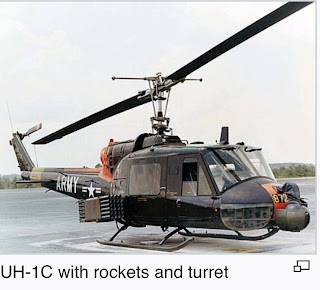
Trực thăng UH-1C võ trang đại liên
M-60 và hỏa tiển.
Nhiệm vụ của TĐ 1 thuộc Trung đoàn Hoàng gia Úc, viết tắt là 1RAR, là bảo vệ an ninh con đường giữa làng Võ Đắt và làng Võ Xu, dài khoảng 7 km, bảo vệ và kiểm soát làng Võ Xu và khu vực chung quanh làng này. TĐ này được yểm trợ bởi pháo đội 161 của Pháo đội Hoàng gia Tân Tây Lan (viết tắt là RNZA), và hai đv khác của Úc gồm một chi đoàn thiết vận xa M-113 của Trung đoàn Kỵ binh Công tước xứ Wales (viết tắt là PWLH), và ba toán Công binh Hoàng gia (viết tắt là RAE). Một toán tiếp vận cấp sđ (A Echelon) của Úc do thiếu tá Harper chỉ huy, đặt tại Căn Cứ Yểm Trợ Tiền Phương của LĐ 173 Dù, nằm kế sân bay Võ Đắt, trong khi một toán tiếp vận khác cấp LĐ (B Echelon) của Úc, đặt tại Biên Hòa, do đại úy Ducie chỉ huy. Ngày 21/11, TĐ này, dưới quyền chỉ huy của TĐ phó, thiếu tá Lander, được chỡ bằng hai đợt (lift) tới sân bay Võ Đắt đầy bụi đỏ và sau đó di chuyển đến một vị trí phòng thủ qua đêm (NDP) tại một vị trí ở đông bắc của Võ Đắt. Buổi sáng kế, đại đội A, chỉ huy bởi đại úy Healy, đã bảo vệ tuyến xuất phát cho đại đội B của đại úy McFarlane để đại đội này xung phong lên một ngọn đồi, vì nghi ngờ chiếm giữ bởi đối phương, nhưng cuối cùng phát hiện đồi này trống không. Ngày 23/11, TĐ này đã tiến theo hàng một vào một vị trí phòng thủ kế cận làng Đức Hạnh, nằm hai bên đường từ Võ Đắt tới Võ Xu. Làng này trước đây là sản phẩm của "Chương trình Ấp Chiến lược" của chánh phủ Nam VN và do đó được bao quanh bởi một hào sâu cỏ mọc um tùm với chông nhọn (panji stake), thép gai, và bây giờ là mìn bẫy (booby trap) của VC.

Đại đội D do đại úy Rothwell chỉ huy, được lịnh tấn công; trong chuyến bay thám sát địa thế trước đó và với kinh nghiệm của ông trong Chống Nổi Dậy ở Malaya, tiền thân của nước Malaysia bây giờ -- người dịch, ông đã tìm đường tiến sát kín đáo mà đối phương ko phát hiện, xem hình vẽ.

Sáng sớm ngày 24/11, đại đội D đã di chuyển tới vị trí tấn công (1) và trung đội 12 đã tạo một cửa mở trên hào nước (2) chung quanh ấp chiến lược (ACL) này để BCH của đại đội và các trung đội 11 và 10 tiến vào. Ghi chú: số màu xanh chỉ vị trí của quân Úc, số màu đỏ chỉ vị trí của VC -- người dịch. Khi trung đội 12 đang dàn đội hình, họ bị bắn bởi một xạ thủ và khi vượt qua con đường để tiến vào làng, họ đã bị bắn bằng súng tự động từ một vị trí (khoảng 20 VC) gần nhà thờ (3). Tuy nhiên, khi trung đội này dàn đội hình để xung phong vào vị trí địch (4), trung đội bị chia cắt và phần còn lại đã xung phong theo lịnh của trung sĩ Carnes, trung đội phó; khiến địch phải rút lui (5). Họ ráo riết đuổi theo và địch đã chiếm một vị trí mới (6) để chống trả trung đội nhưng bị pháo binh đánh chặn (7). Hơn phân nửa quân địch đã chết hay bị thương vì pháo binh.
Sau khi chiếm làng này, họ đã khám phá một vị trí phục kích của đối phương trên đường ở cổng phía tây của làng (8) nhưng địch đã rút bỏ đêm trước. Rõ ràng đối phương đã nghĩ rằng TĐ sẽ tiến quân dọc theo con đường từ Võ Đắt (như quân VNCH thường làm) và đã bị bất ngờ khi đại đội D đã xuất hiện từ bìa rừng, xem hình vẽ.

Ngày 26/11, được chỡ bằng thiết vận xa M-113, đại đội C được giao nhiệm vụ lục soát con đường giữa Đức Hạnh đến và xuyên qua Võ Xu. Khoảng 8 g sáng, khi chiếc M-113 đi đầu với trung sĩ Smith và hạ sĩ Bland tiểu đội trưởng tới gần cổng làng, họ bị tấn công bằng súng nhỏ và súng tự động (9). Hai người đã nhanh chóng di chuyển tới cổng làng và mở cổng cho xe chạy qua khiến đối phương phải rút chạy để lại 2 mìn bẫy chưa nổ.
Sau khi lục soát kỹ càng từ 24 đến 29/11 ấp Chánh Đức, ngày 29/11, đai đội C tùng thiết với xe M-113, lục soát làng Võ Xu, với các đại đội khác bảo vệ cạnh sườn. Gần như họ ko gặp địch, tuy nhiên trung đội 4 khi lục soát đoạn phía đông của làng này, giáp với Sông La Ngà, họ đã bị tấn công bởi khoảng một trung đội địch, võ trang 2 súng liên thanh, từ bờ đông của sông (10). Hai lính Úc bị thương, một chết. Hai trung đội lính Úc, đại bác, cối và gunship đã hủy diệt các súng liên thanh này và xạ thủ và có thể các đồng đội khác của chúng.
Từ 30/11 đến 12/12, TĐ đã làm chủ tình hình và các đại đội tuần tiểu trong và chung quanh làng Võ Xu, trong khi lính Công binh sửa đường và phá hủy công sự của địch. Họ phát hiện một số nơi đóng quân của VC đã bỏ trống (11) và khoảng 100 tấn lúa được khám phá từ những kho dấu ở 3 km nam Võ Xu.
Ngày 13/12, TĐ, giờ dưới quyền trung tá Preece, di chuyển tới Võ Đắt để bảo vệ Đầu Cầu để chuẩn bị cho một cuộc HQ mới của LĐ 173 Dù, có tên HQ Smash, bắt đầu ngày 17/12. TĐ sẽ tới một khu căn cứ của địch, có tên Hát Dịch. Quân Úc và Mỹ sẽ tiến hành nhiều cuộc HQ trong tương lai vào căn cứ này.
Dù cuộc HQ Đời Mới đã thành công trong việc bảo vệ dân gặt lúa, như đã xảy ra nhiều lần trong chiến tranh VN, nhưng chỉ là tạm thời, vì vài tuần sau đó, VC đã trở về với sức mạnh và hủy diệt (raze) làng Võ Xu./."
. . .
Chuyển ngữ từ trang 9-11 của phụ lục 2016 từ sách "A Duty Done" xuất bản năm 2014 của cựu trung tá Fred Fairhead thuộc Trung đoàn Hoàng gia Úc (RAR).
San Jose ngày 27 tháng 8 2023.
Tài Trần.
===========
Đọc thêm:


Subscribe to:
Posts (Atom)