Friday, December 9, 2022


Thursday, December 23, 2010

MỘT VÀI HÌNH ẢNH DO CỐVÂN MỸ CHỤP TRONG NĂM 1965-66 TẠI LONG KHÁNH 

CHỜ ĐỢI KHÁM BỊNH VÀ LÃNH QUÂN ÁO. QUÂN ÁO DO THÂN NHÂN CỦA LÍNH MỸ Ở CĂN CỨ WULZBURG, ĐỨC THU THẬP VÀ GỬI ĐÊN.

TP XUÂN LỘC 1966 CHỤP QUA CỬA KIÊNG XE JEEP
TRẠM KIÊM SOÁT (NĂM BÊN NGOÀI XUÂN LỘC) NÀY, CHO BIÊT ĐOẠN ĐƯỜNG, DÀI 49 KM ĐI TỚI BIÊN HÒA, RÂT NGUY HIỂM. KHU VỰC NÀY ĐƯỢC BIÊT CÓ NHIÊU HOẠT ĐỘNG CỦA CS. ĐÂY LÀ ĐỊA ĐIỂM CỦA MỘT TRONG TRẬN ĐÁNH CUÔI CÙNG VÀO THÁNG 4 1975 NƠI MÀ HÀNG NGÀN BS HAI BÊN BỎ MẠNG. 
NĂM BÊN CÁC QUÀ TẶNG DÀNH CHO NẠN NHÂN CHIÊN CUỘC SAU TRẬN VÕ XU 1966 GÔM GẠO, DÂU ĂN, VÀ HẠT GIÔNG 
TÙ BINH CS CHỜ TẢN THƯƠNG SAU TRẬN VÕ XU 1966.
TRẺ EM MỒCÔI MỪNG GIÁNG SINH 1965
LÍNH MỸ PHÁT KẸO NHÂN GIÁNG SINH 1965
TRẺ EM LÚC NÀO CỦNG HÔN NHIÊN
DÊ LEO LÊN MÁI NHÀ CỦA TOÁN CỐVÂN 87 CỦA MỸ TẠI XUÂN LỘC 
QĐ MỸ VÀ VNCH ĐEM QUÀ GIÁNG SINH 1965 ĐÊN TRẠI MỒCÔI, CHỨA KHOẢNG 50 EM, CỦA CHA TRỌNG Ở XUÂN LỘC.

MỘT LÀNG QUÊ GÂN TÁNH LINH 
MỘT PHỤ NỮ LÀM NGHỀ "GIẢI TRÍ" CHO LÍNH MỸ TẠI VÙNG QUÊ HẺO LÁNH NÀY 
TOÁN DÂN Y MỸ CHUẨN BỊ KHÁM BỊNH NGƯỜI GIÀ, PHỤ NỮ VÀ TRẺ EM 
NƠI Ở CỦA MỘT BS VIỆT NAM BẢO VỆ TOÁN CỐVÂN MỸ 87 Ở XUÂN LỘC 
PHÁT GẠO, DÂU ĂN VÀ HẠT GIÔNG CHO NẠN NHÂN CHIÊN CUỘC SAU TRẬN VÕ XU 1966.
LÀNG CHIEN ĐÂU VÕ XU, VỚI ĐẠI BÁC ĐẶT GIỮA LÀNG 

 TÂM BẢNG CỦA TOÁN 87 CỦA MACV CỐVÂN CHO SĐ 10 BB VNCH, TIÊN THÂN CỦA SĐ 18. TRÊN BẢNG TA THÂY TR.Đ 43 ĐÓNG TẠI BIÊN HÒA , TR.Đ 48 Ở PHƯỚC TUY, TR.Đ 51 Ở BÌNH TUY. TR.Đ 52 CÓ LẼ ĐÓNG Ở THỊ XÃ XUÂN LỘC. 
CHỊ GIỮ EM KHI BA MÁ RA ĐÔNG LÀM VIỆC
LÍNH MỸ NÂU THỊT TRÂU!


The 4 Month Long Battle for Support Station Ripcord

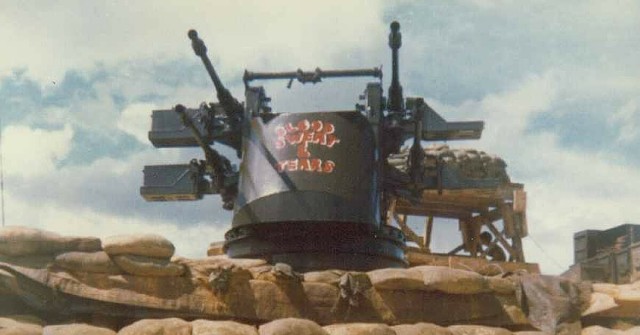
RipcordFSB Ripcord Quad 50 1970- photo by Jack Wilhite 2/506

The Vietnam War was coming to its bitter end for the US Army by 1970 and America was seeking a way out of the conflict The public back in the States was already dissatisfied with the war and there was  a strong anti-war movement growing in the sixties.

American President, Richard Nixon, started to covertly reduce the number of troops back in 1969, due to the public pressure.

By 1970, many American positions were weakened by the cuts in troop numbers and its forces were stretched to their limits. The only full strength division left in Vietnam was the famous 101st Airborne.

In an attempt to retake the initiative The 101st, under the command of General Ben Harrison, was given the lead on an operation codenamed “Texas Star”.

The plan was to rebuild the abandoned Fire Support Base Ripcord in the A Shau Valley, this relied heavily on the helicopter,  for support in the difficult terrain. The firebase was set on four hilltops and were to be used as outposts for the planned offensive by the Marines to search and destroy the NVA supply lines in the mountains overlooking the valley.
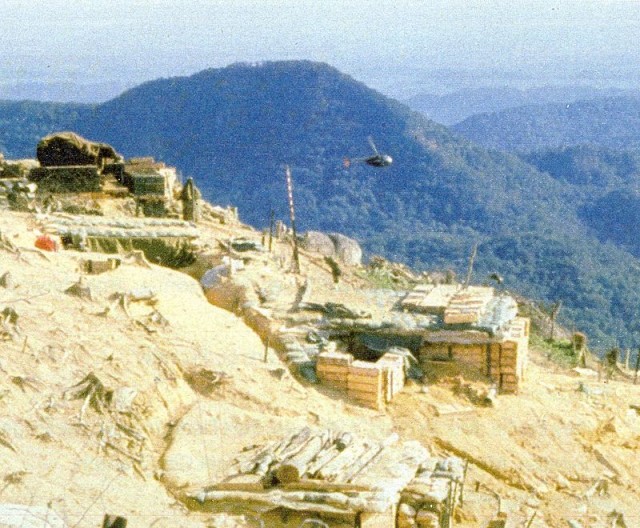
ripcord

The operation was held with as little press coverage as possible for it was happening during the time of the Cambodian incursion. This was a series of 13 major missions conducted covertly in Cambodia, this country was neutral , but Cambodian communists were helping North Vietnam with logistics and other types of support.  It was also one year after the media disaster of Hamburger Hill, the battle known for its questionable use of infantry instead of firepower which led to 75 soldiers losing their lives and another 372 wounded.

The Cambodian campaign was aimed to disrupt the Ho Chi Minh supply trail which spanned outside Vietnam borders, through Cambodia. The mission was of similar nature as the Texas Star Operation and even though the latter was not secret, it was still on the certain level of “Need to Know Basis”.

While the members of the 101st division were rebuilding the base and preparing the attack on the enemy supply lines, the NVA was secretly gathering intelligence. The launched sporadic attacks from March 12 and lasted until June 30. It is estimated that as much as 25,000 NVA troops were positioned in the A Shau Valley area at the time.
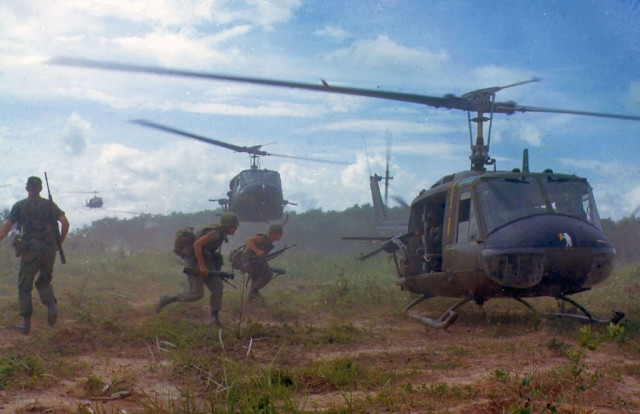
huey

After weeks of reconnaissance, on the morning of July 1, 1970, the North Vietnamese started firing mortars at the firebase. The began to besiege the Americans, in the firebase. During the siege that held on for 23 days, 75 US servicemen were killed. The battle for the hilltops raged for days. The 101st was surrounded, outnumbered almost ten to one and running low on supplies. It was only the high ground and the bravery of its defenders that kept the enemy from overrunning the FSB Ripcord.

Major General Ben Harrison claimed that the NVA losses at Ripcord were one of the reasons why the North to postpone their Easter Offensive that finally happened in 1972, since they had to resupply and reorganize after the attacks on the firebase.

One of the survivors, Spec 4 radio operator, Danny Kirkham gave his account of the event in a 2012 interview:

“A helicopter was shot down right above the ammo dump. It was like the whole top of the hill was coming off. That hurt us for several days. We had to depend on other bases around Ripcord to really help cover us until we could be resupplied.”

On July 23, after the helicopters withdrew the survivors under heavy mortar, anti-aircraft and small arms fire. After the evacuation, the USAF B52 bombers were called in for carpet bombing. Kirhkam recalls the event:

“The withdrawals began happening so fast that a specialist and myself were put onto a Huey that had body bags on it that were filled. We were getting off that mountain any way we possibly could toward the end. I was glad to get off there, but riding off with the KIAs was hard. I witnessed several of the B-52 strikes. Some were flying so close, I could actually see the pilot as he flew by and dropped his napalm. As an 18-year-old, it was a trip.”
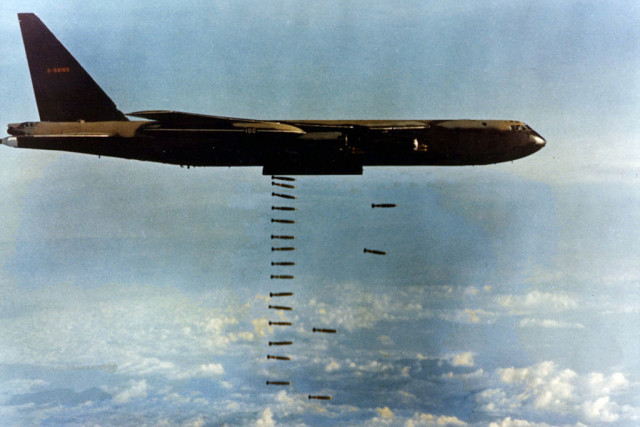
carpet bombing

The final death toll of the FSB Ripcord battle from March 12 to July 23, was 138 American soldiers. There were also 3 men missing in action. Among the men killed in action were the professional football player Bob Kalsu, who played for the Buffalo Bills, before being drafted and Weiland Norris, the brother of Chuck Norris.

Three Medals of Honor and five Distinguished Service Crosses were awarded to the men who fought at Ripcord. One of the Medals of Honor was awarded to Lieutenant Colonel Andre Lucas, who died on the last day of the battle after directing the successful retreat of his men.

Lt. Col. Lucas on one occasion during the battle flew in a helicopter at a treetop level above an entrenched enemy directing fire for over 3 hours. He remained in an exposed position as long as he could, and after that swapped his damaged helicopter for another one, and immediately resumed his perilous mission.

On another occasion he attempted to rescue a crewman trapped in a burning helicopter, all by himself, risking his life under heavy fire.

The Battle of FSB Ripcord was not very known to public, mostly because the Nixon administration wanted to avoid any media coverage of the last major battle in the Vietnam War. The memory of the battle was revived in 1985 when The FSB Ripcord association was established to honor the fallen and remember the survivors.

Thursday, December 8, 2022


Ba câu hỏi khó của Leo Tolstoy 

Chỉ có một thời gian quan trọng là giờ phút hiện tại. Quan trọng bởi vì đó là thời gian duy nhất trong đó ta có thể làm chủ được ta. Và nhân vật quan trọng nhất là kẻ đang cụ thể đang sống với ta, đang đứng trước mặt ta, bởi vì ai biết được là mình sẽ đương đầu hay làm việc với những kẻ nào trong tương lai. Công việc quan trọng nhất là công việc làm cho người đang cụ thể sống bên ta, đang đứng trước mặt ta được hạnh phúc, bởi vì đó là ý nghĩa chính của đời sống".

 Firebase Bastogne was a United States firebase in South Vietnam, at 16°21′20″N 107°26′55″E / 16.35556°N 107.44861°E / 16.35556; 107.44861 (MGRS 48QYD620095). It was located along Highway 547 halfway between the city of Huế and the A Shau Valley, a feeder route from the Ho Chi Minh Trail. Bastogne was constructed in 1968 by the 101st Airborne Division. It was later closed, but reopened in August 1969 by the 2nd/501st Infantry, 101st Airborne Division.

It was overrun by the North Vietnamese Army in 1972 during the Easter Offensive. It was recaptured later in 1972 by ARVN Forces with American air support. Firebase Bastogne was the largest firebase in Northern I Corp. It was also the closest to the Ashau Valley sitting along QL 547, the road from the City of Huế to the Valley.

Bastogne had four artillery batteries: 105, 155, 175 and 8 inch. It also had 2 twin 40-MM "Dusters" (from D Battery 1/44th Artillery/108th Artillery group), 2 quad 50's and 1 searchlight.

 TÍNH TỚI THÁNG 9/1963, CON ĐƯỜNG TỪ ĐÀ NẲNG ĐI GIÀNG (NĂM TRÊN QL-14) VẪN THÔNG SUỐT.

"Tháng 9 năm 1963, một người bạn tôi đi khám sức khoẻ ở Quân Y Viện Duy-Tân, Đà-Nẵng. Anh ta lo hoàn tất hồ sơ sức khoẻ để theo học khóa Sĩ Quan Hải-Quân. Tôi theo bạn vào thăm Quân Y Viện. Khi tôi đang lang thang quanh khu nhận bệnh thì một chiếc xe Jeep tải thương ào tới. Bên hông xe có treo cái bánh sơ-cua vẽ hình đầu cọp nhe nanh. Xe đậu trước cửa phòng nhận bệnh. Trên băng-ca, một thương binh, đầu, mình băng kín. Chiếc Jeep thứ hai, có cần câu máy truyền tin, bám đuôi sau xe thứ nhứt. Một sĩ quan nhảy xuống. Anh ta ôm xốc người thương binh, chạy ào vào phòng nhận bệnh. Anh trung úy Biệt Động Quân hối hả, “Cấp cứu! Xin quý vị cứu giùm người lính này cho tôi! Thủ tục nhập viện sẽ làm sau! Mau lên! Quý vị làm ơn!” Cả phòng nhận bệnh nhốn nháo. Bác sĩ, y tá, nhân viên cứu cấp, vội vã chuyển người thương binh sang xe đẩy, đưa anh vào phòng mổ. Anh trung úy không được phép vào phòng giải phẫu. Anh bồn chồn, đi loanh quanh bên cái xe Jeep. Miệng anh bập bập điếu thuốc lá, khói phà liên hồi. Một sĩ quan khác, một thiếu úy, trên ngực có huy hiệu hình con rắn leo trên cây kiếm chúi đầu xuống (quân y) ngồi chờ trước vô-lăng xe tải thương, dáng băn khoăn. Tôi mon men làm quen,
- “Thiếu úy! Đánh nhau ở đâu vậy, thiếu úy?”
- “Trên Giàng! Cậu có nghe Hiên, Giàng không? Trên núi, sát biên giới Lào.”
- “Đánh lớn lắm hả thiếu úy?” Tôi tò mò hỏi thêm.
- “Cũng không lớn lắm. Đại đội chạm đại đội. Có điều là đụng địch trong rừng già, tản thương chậm trễ, khó khăn…”
- “Bên mình bị thiệt hại có nặng không thiếu úy?”
- “Thường thôi! Một chết, năm bị thương. Chỉ một ca này là nặng.”
- “Ông trung úy kia làm chức vụ gì vậy hả thiếu úy? Sao ổng có vẻ lo lắng cho anh lính bị thương quá vậy?”
- “Trung úy đại đội trưởng đó! Chúng tôi sống chết có nhau. Anh binh nhì bị thương, ông trung úy lo lắng cũng là chuyện thường ngày ở đây thôi! Khi nào cậu vào lính, có dịp ra chiến trường, cậu sẽ thấm cái tình huynh đệ chi binh…”
Suốt mấy ngày sau, trong đầu tôi cứ ám ảnh với khúc phim tản thương đầy xúc cảm trong quân y viện. Không bút nào tả nổi vẻ đẹp vừa oai dũng, vừa cảm động của một sĩ quan hai tay ẵm một thuộc cấp bị thương ào vào phòng nhận bệnh. Câu “Xin quý vị cứu giùm… Quý vị làm ơn!” cứ văng vẳng bên tai tôi. Tiếng cầu xin của người chỉ huy ấy thống thiết như tiếng của một người mẹ. Hoạt cảnh ngắn ngủi hôm đó đã khiến đời tôi thay đổi."
Nguồn: Hồi ký của cựu TT BĐQ Vương Mộng Long -- một trong những cây bút sáng giá hiện nay ở hãi ngoại.
Vương Mộng Long: Đường lên Hiên, lên Giàng
HON-VIET.CO.UK
Vương Mộng Long: Đường lên Hiên, lên Giàng
Gia đình tôi dọn về khu chùa Âm-Bổn, Hội-An khi tôi học xong Đệ Lục trung học Trần Quý Cáp. Tôi có bốn người bạn thân, Trần ngọc Lợi, Lê văn Bảy, Ngô Rân, và Lê hữu Mục. Năm đứa chúng tôi chơi với nhau từ Đệ Thất. Tối tối ch....