Saturday, March 19, 2022


Americans play Monopoly, Russians chess

On the night of November 22, 2004, then-Russian president – now premier – Vladimir Putin watched the television news in his dacha near Moscow. People who were with Putin that night report his anger and disbelief at the unfolding “Orange” revolution in Ukraine. “They lied to me,” Putin said bitterly of the United States. “I’ll never trust them again.” The Russians still can’t fathom why the West threw over a potential strategic alliance for Ukraine. They underestimate the stupidity of the West.

American hardliners are the first to say that they feel stupid next to Putin. Victor Davis Hanson wrote on August 12 [1] of Moscow’s “sheer diabolic brilliance” in Georgia, while Colonel Ralph Peters, a columnist and television commentator, marveled on August 14 [2], “The Russians are alcohol-sodden barbarians, but now and then they vomit up a genius … the empire of the czars hasn’t produced such a frightening genius since [Joseph] Stalin.” The superlatives recall an old observation about why the plots of American comic books need clever super-villains and stupid super-heroes to even the playing field. Evidently the same thing applies to superpowers.

The fact is that all Russian politicians are clever. The stupid ones are all dead. By contrast, America in its complacency promotes dullards. A deadly miscommunication arises from this asymmetry. The Russians cannot believe that the Americans are as stupid as they look, and conclude that Washington wants to destroy them. That is what the informed Russian public believes, judging from last week’s postings on web forums, including this writer’s own.

These perceptions are dangerous because they do not stem from propaganda, but from a difference in existential vantage point. Russia is fighting for its survival, against a catastrophic decline in population and the likelihood of a Muslim majority by mid-century. The Russian Federation’s scarcest resource is people. It cannot ignore the 22 million Russians stranded outside its borders after the 1991 collapse of the Soviet Union, nor, for that matter, small but loyal ethnicities such as the Ossetians. Strategic encirclement, in Russian eyes, prefigures the ethnic disintegration of Russia, which was a political and cultural entity, not an ethnic state, from its first origins.

The Russians know (as every newspaper reader does) that Georgia’s President Mikheil Saakashvili is not a model democrat, but a nasty piece of work who deployed riot police against protesters and shut down opposition media when it suited him – in short, a politician in Putin’s mold. America’s interest in Georgia, the Russians believe, has nothing more to do with promoting democracy than its support for the gangsters to whom it handed the Serbian province of Kosovo in February.

Again, the Russians misjudge American stupidity. Former president Ronald Reagan used to say that if there was a pile of manure, it must mean there was a pony around somewhere. His epigones have trouble distinguishing the pony from the manure pile. The ideological reflex for promoting democracy dominates the George W Bush administration to the point that some of its senior people hold their noses and pretend that Kosovo, Ukraine and Georgia are the genuine article.

Think of it this way: Russia is playing chess, while the Americans are playing Monopoly. What Americans understand by “war games” is exactly what occurs on the board of the Parker Brothers’ pastime. The board game Monopoly is won by placing as many hotels as possible on squares of the playing board. Substitute military bases, and you have the sum of American strategic thinking.

America’s idea of winning a strategic game is to accumulate the most chips on the board: bases in Uzbekistan and Kyrgyzstan, a pipeline in Georgia, a “moderate Muslim” government with a big North Atlantic Treaty Organization base in Kosovo, missile installations in Poland and the Czech Republic, and so forth. But this is not a strategy; it is only a game score.

Chess players think in terms of interaction of pieces: everything on the periphery combines to control the center of the board and prepare an eventual attack against the opponent’s king. The Russians simply cannot absorb the fact that America has no strategic intentions: it simply adds up the value of the individual pieces on the board. It is as stupid as that. But there is another difference: the Americans are playing chess for career and perceived advantage. Russia is playing for its life, like Ingmar Bergman’s crusader in The Seventh Seal.

Dull people know that clever people are cleverer than they are, but they do not know why. The nekulturny Colonel Ralph Peters, a former US military intelligence analyst, is impressed by the tactical success of Russian arms in Georgia, but cannot fathom the end-game to which these tactics contribute. He writes, “The new reality is that a nuclear, cash-rich and energy-blessed Russia doesn’t really worry too much whether its long-term future is bleak, given problems with Muslim minorities, poor life-expectancy rates, and a declining population. Instead, in the here and now, it has a window of opportunity to reclaim prestige and weaken its adversaries.”

Precisely the opposite is true: like a good chess player, Putin has the end-game in mind as he fights for control of the board in the early stages of the game. Demographics stand at the center of Putin’s calculation, and Russians are the principal interest that the Russian Federation has in its so-called near abroad. The desire of a few hundred thousand Abkhazians and South Ossetians to remain in the Russian Federation rather than Georgia may seem trivial, but Moscow is setting a precedent that will apply to tens of millions of prospective citizens of the Federation – most controversially in Ukraine.

Before turning to the demographics of the near abroad, a few observations about Russia’s demographic predicament are pertinent. The United Nations publishes population projections for Russia up to 2050, and I have extended these to 2100. If the UN demographers are correct, Russia’s adult population will fall from about 90 million today to only 20 million by the end of the century. 

Russia is the only country where abortions are more numerous than live births, a devastating gauge of national despair.

Under Putin, the Russian government introduced an ambitious natalist program to encourage Russian women to have children. As he warned in his 2006 state of the union address, “You know that our country’s population is declining by an average of almost 700,000 people a year. We have raised this issue on many occasions but have for the most part done very little to address it … First, we need to lower the death rate. Second, we need an effective migration policy. And third, we need to increase the birth rate.”

Russia’s birth rate has risen slightly during the past several years, perhaps in response to Putin’s natalism, but demographers observe that the number of Russian women of childbearing age is about to fall off a cliff. No matter how much the birth rate improves, the sharp fall in the number of prospective mothers will depress the number of births. UN forecasts show the number of 

Russians aged 20-29 falling from 25 million today to only 10 million by 2040.

Russia, in other words, has passed the point of no return in terms of fertility. Although roughly four-fifths of the population of the Russian Federation is considered ethnic Russians, fertility is much higher among the Muslim minorities in Central Asia. Some demographers predict a Muslim majority in Russia by 2040, and by mid-century at the latest.

Part of Russia’s response is to encourage migration of Russians left outside the borders of the federation after the collapse of communism in 1991. An estimated 6.5 million Russians from the former Soviet Union now work in Russia as undocumented aliens, and a new law will regularize their status. Only 20,000 Russian “compatriots” living abroad, however, have applied for immigration to the federation under a new law designed to draw Russians back.

That leaves the 9.5 million citizens of Belarus, a relic of the Soviet era that persists in a semi-formal union with the Russian Federation, as well as the Russians of the Western Ukraine and Kazakhstan. More than 15 million ethnic Russians reside in those three countries, and they represent a critical strategic resource. Paul Goble in his Window on Eurasia website reported on August 16:

Moscow retreated after encountering fierce opposition from other countries, but semi-legal practices of obtaining Russian citizenship that began in former Soviet republics in the early 1990s continue unabated. There is plenty of evidence that there are one to two million people living in the territory of the former Soviet Union who have de facto dual citizenship and are reluctant to report it to the authorities. Russia did little to stop the process. Moreover, starting in 1997, it encouraged de facto dual citizenship.

Russia has an existential interest in absorbing Belarus and the Western Ukraine. No one cares about Byelorus. It has never had an independent national existence or a national culture; the first

grammar in the Belorussian language was not printed until 1918, and little over a third of the population of Belarus speaks the language at home. Never has a territory with 10 million people had a sillier case for independence. Given that summary, it seems natural to ask why anyone should care about Ukraine. That question is controversial; for the moment, I will offer the assertion that partition is the destiny of Ukraine.

Even with migration and annexation of former Russian territory that was lost in the fracture of the USSR, however, Russia will not win its end-game against demographic decline and the relative growth of Muslim populations. The key to Russian survival is Russification, that is, the imposition of Russian culture and

Russian law on ethnicities at the periphery of the federation. That might sound harsh, but that has been Russian nature from its origins.

Russia is not an ethnicity but an empire, the outcome of hundreds of years of Russification. That Russification has been brutal is an understatement, but it is what created Russia out of the ethnic morass around the Volga river basin. One of the best accounts of Russia’s character comes from Eugene Rosenstock-Huessey (Franz Rosenzweig’s cousin and sometime collaborator) in his 1938 book Out of Revolution. Russia’s territory tripled between the 16th and 18th centuries, he observes, and the agency of its expansion was a unique Russian type. The Russian peasant, Rosenstock-Huessey observed, “was no stable freeholder of the Western type but much more a nomad, a pedlar, a craftsman and a soldier. His capacity for expansion was tremendous.”

In 1581 Asiatic Russia was opened. Russian expansion, extending even in the eighteenth century as far as the Russian River in Northern California, was by no means Czaristic only. The “Moujik,” the Russian peasant, because he is not a “Bauer” or a “farmer,” or a “laborer,” but a “Moujik,” wanders and stays, ready to migrate again eventually year after year.

Russia was never a multi-ethnic state, but rather what I call a supra-ethnic state, that is, a state whose national principle transcends ethnicity. A reader has called my attention to an account of the most Russian of all writers, Fyodor Dostoyevsky, of his own Russo-Lithuanian-Ukrainian background:

I suppose that one of my Lithuanian ancestors, having emigrated to the Ukraine, changed his religion in order to marry an Orthodox Ukrainian, and became a priest. When his wife died he probably entered a monastery, and later, rose to be an archbishop. This would explain how the Archbishop Stepan may have founded our Orthodox family, in spite of his being a monk. It is somewhat surprising to see the Dostoyevsky, who had been warriors in Lithuania, become priests in Ukraine. But this is quite in accordance with Lithuanian custom. I may quote the learned Lithuanian W St Vidunas in this connection: “Formerly many well-to-do Lithuanians had but one desire: to see one or more of their sons enter upon an ecclesiastical career.”

Dostoyevsky’s mixed background was typically Russian, as was the Georgian origin of Joseph Stalin.

Russia intervened in Georgia to uphold the principle that anyone who holds a Russian passport – Ossetian, Akhbaz, Belorussian or Ukrainian – is a Russian. Russia’s survival depends not so much on its birth rate, nor on immigration, nor even on prospective annexation, but on the survival of the principle by which Russia was built in the first place. That is why Putin could not abandon the pockets of Russian passport holders in the Caucusus. That Russia history has been tragic, and its nation-building principle brutal and sometimes inhuman, is a different matter. Russia is sufficiently important that its tragedy will be our tragedy, unless averted.

The place to avert tragedy is in Ukraine. Russia will not permit Ukraine to drift to the West. Whether a country that never had an independent national existence prior to the collapse of communism should become the poster-child for national self-determination is a different question. The West has two choices: draw a line in the sand around Ukraine, or trade it to the Russians for something more important.

My proposal is simple: Russia’s help in containing nuclear proliferation and terrorism in the Middle East is of infinitely greater import to the West than the dubious self-determination of Ukraine. The West should do its best to pretend that the “Orange” revolution of 2004 and 2005 never happened, and secure Russia’s assistance in the Iranian nuclear issue as well as energy security in return for an understanding of Russia’s existential requirements in the near abroad. Anyone who thinks this sounds cynical should spend a week in Kiev.

Russia has more to fear from a nuclear-armed Iran than the United States, for an aggressive Muslim state on its borders could ruin its attempt to Russify Central Asia. Russia’s strategic interests do not conflict with those of the United States, China or India in this matter. There is a certain degree of rivalry over energy resources, but commercial rivalry does not have to turn into strategic enmity.

If Washington chooses to demonize Russia, the likelihood is that Russia will become a spoiler with respect to American strategic interests in general, and use the Iranian problem to twist America’s tail. That is a serious risk indeed, for nuclear proliferation is the one means by which outlaw regimes can pose a serious threat to great powers. Russia confronts questions not of expediency, but of existence, and it will do whatever it can to gain maneuvering room should the West seek to “punish” it for its actions in Georgia.

One irony of the present crisis is that Washington’s neo-conservatives, by demanding a tough stance against Russia, may have harmed Israel’s security interests more profoundly than any of Israel’s detractors in American politics. The neo-conservatives are not as a rule Jewish, but many of them are Jews who have a deep concern for Israel’s security – as does this writer. If America turns Russia into a strategic adversary, the probability of Israel’s survival will drop by a big notch.

Notes
1. See National Review OnlineMoscow’s Sinister Brilliance.
2. See New York Post, A czar is born: Bad Vlad wins war, dupes West & proves he’s genius

https://web.archive.org/web/20100109091326/http://www.atimes.com/atimes/Central_Asia/JH19Ag04.html

https://web.archive.org/web/20100113034211/http://www.atimes.com/atimes/Central_Asia/JH19Ag05.html


BẢNG CHẤM CÔNG CỦA NỬA ĐẦU CỦA THÁNG 3/2022. 

1/ TUẦN ĐẦU CỦA THÁNG 3/2022.


2/ TUẦN THỨ HAI CỦA THÁNG 3/2022


3/ TUẦN THỨ BA CỦA THÁNG 3/2022.

TỔNG CỘNG: 10 + 12 + 4 = 26 GIỜ. 
VÌ MỖI THÁNG ĐƯỢC 53.48 GIỜ, NÊN NỬA SAU CỦA THÁNG HAI CHỈ CÒN 27:48 GIỜ (26 + 27:48 = 53:48). 


Friday, March 18, 2022

 TÀI NGUYÊN THIÊN NHIÊN CỦA CANADA (CANADIAN NATURAL RESOURSES).


=========================


PHẦN ĐỌC THÊM:


Wednesday, March 16, 2022


TIỂU ĐOÀN 23 BIỆT ĐỘNG QUÂN TẠI BEN HET NĂM 1971 – VŨ ĐÌNH HIẾU

Polei Kleng - Kontum Polei Kleng – Kontum

Từ Polei Kleng Đến Ben Het – Liên Đoàn 2 BĐQ Trong Thung Lũng Plei Trap, 1971
Karl Fee, Tiểu đoàn 23 BĐQ, 70-71
Sau quyết định chuyển giao các trại Lực Lượng Đặc Biệt qua Biệt Động Quân, các trại này trở thành các tiểu đoàn Biệt Động Quân Biên Phòng. Trại Polei Kleng (Lệ Khánh) trở thành Tiểu đoàn 62 BĐQ/BP, trại Ben Het (Bạch Hổ) trở thành Tiểu đoàn 95 BĐQ/BP, trại Dak Pek (Đức Phong) trở thành Tiểu đoàn 88 BĐQ/BP. Các tiểu đoàn Biệt Động Quân Biên Phòng này sẽ lần lượt được đưa về Trung Tâm Huấn Luyện Biệt Động Quân Dục Mỹ để tái huấn luyện bổ túc chiến thuật tác chiến của binh chủng Biệt Động Quân. Trong khi các tiểu đoàn biên phòng về Dục Mỹ thụ huấn, các tiểu đoàn 22, 23 thuộc liên đoàn 2 BĐQ được đưa lên phòng thủ các trại biên phòng.

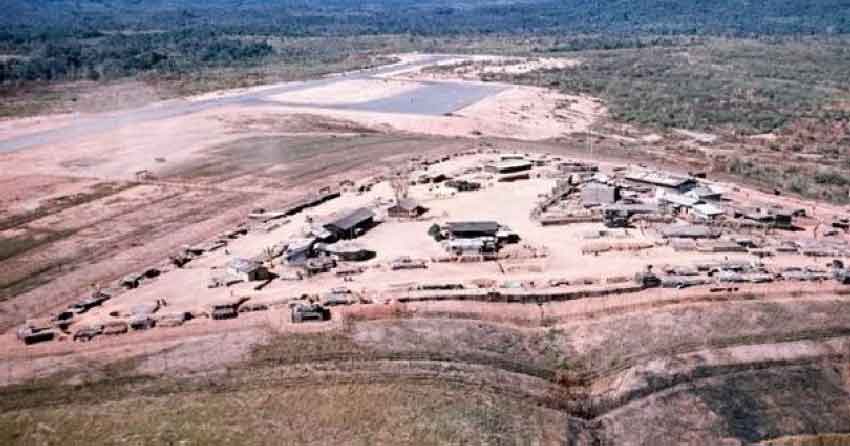
Trong tháng Giêng, Hai năm 1971, tôi theo chân tiểu đoàn 23/BĐQ lên phòng thủ trại biên phòng Polei Kleng, một căn cứ nằm nơi cuối thung lũng Plei Trap, gần biên giới Miên và cách vùng tam biên (biên giới Việt-Miên-Lào) khoảng 50 cây số về hướng nam, đông nam. Khu vực có vị trí chiến thuật, ngăn chặn đường xâm nhập của các đơn vị chính quy Bắc Việt trên hệ thống đường mòn HCM, nên đã xẩy ra nhiều trận đánh trước đây. Tiểu đoàn 23/BĐQ được đưa từ Pleiku lên trại Polei Kleng và phòng thủ căn cứ.

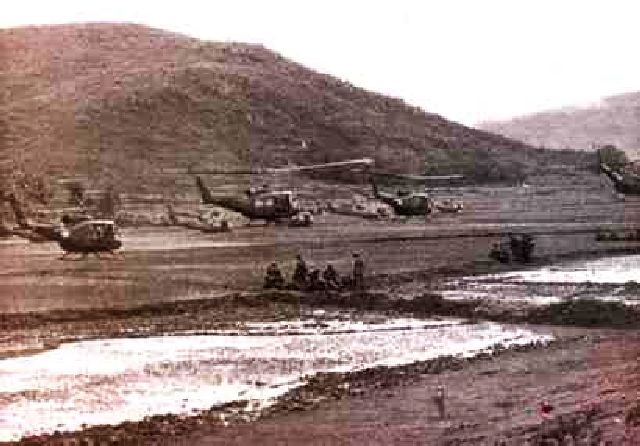
Trong khi chúng tôi vào đóng quân trong căn cứ, ở bên ngoài một cuộc hành quân cấp lớn đang diễn ra, bao gồm các đơn vị thuộc: sư đoàn Không Vận (Air Cav) Hoa Kỳ, hai pháo đội A và B, Tiểu đoàn 1/92 Pháo Binh Hoa Kỳ (175 ly), bốn tiểu đoàn Bộ Binh QLVNCH. Ba trong số bốn tiểu đoàn Việt Nam là Bộ Binh và tiểu đoàn 22/BĐQ. Những khẩu đại bác 175 ly cơ động (gắn trên xe thiết giáp) bố trí ngay bên ngoài hàng rào phòng thủ trại. Sư đoàn Không Kỵ Hoa Kỳ lập bãi tiếp tế đạn dược, tiếp vận trên phi đạo (các trại LLĐB thường có một phi đạo ngắn để tiếp tế). Với đủ loại máy bay, phi cơ trực thăng Chinooks, Hueys và Cobras trên bầu trời, trại LLĐB Polei Kleng trông như một tổ ong. (Quân đội Hoa Kỳ rất hãnh diện về Sư đoàn Không Vận ‘Đệ Nhất Sư Đoàn Kỵ Binh Không Vận – First Air Cavalry’. Sư đoàn này chứng tỏ sức mạnh cơ động, với rất nhiều trực thăng đủ loại để chuyển quân, cùng đồ tiếp vận).


Phi Đạo Polei Kleng

Tin tức tình báo, Sư đoàn Không Kỵ thâu thập được cho biết, có đơn vị Bắc Việt hiện diện trong vùng. Chúng tôi biết địch quân đang hoạt động trong khu vực giữa Polei Kleng và biên giới Miên. Tuy nhiên các sĩ quan tình báo vẫn chưa đoán ra được ý định của địch. Trong khi đó hai pháo đội thuộc Tiểu đoàn 1/92 Pháo Binh Hoa Kỳ bắn yểm trợ hằng đêm.

Chỉ được lệnh bảo vệ căn cứ, Tiểu đoàn 23/BĐQ không phải ra ngoài tham dự cuộc hành quân. Chúng tôi bỗng dưng trở thành… khán giả bất đắc dĩ, theo dõi hai võ sĩ trên võ đài.

Tôi vào trong lều thuyết trình hôm Chuẩn Tướng Wear (Tướng văn phòng của MACV), Cố vấn Trưởng Quân Đoàn II cùng với vị tư lệnh quân đoàn, làm một quyết định mà làm thay đổi tất cả. Ông Tướng Việt Nam ra lệnh cuộc hành quân phải được đưa lên phiá Bắc thung lũng Plei Trap, tiến quân về hướng trại LLĐB Ben Het (tiếng đồng âm là Been Hit, đã bị trúng đòn), trong vùng Tam Biên, một điểm nóng (có nhiều dấu hiệu các hoạt động của địch).

Khi ông Tướng Tư lệnh Quân đoàn nói sẽ xử dụng trực thăng đưa bốn tiểu đoàn Bộ Binh Việt Nam lên Ben Het, câu trả lời của Chuẩn Tướng Wear, tôi sẽ không bao giờ quên “Tại sao lại phí phạm phương tiện không trợ? Ra lệnh cho họ LỘI BỘ trong thung lũng lên đến Ben Het!” Lộ trình di chuyển từ Polei Kleng lên đến Ben Het dài 40 cây số, xuyên qua những cánh rừng rậm và ngang qua những nhánh nhỏ trong hệ thống đường mòn HCM. Ngoài ra, một vấn đề quan trọng khác là họ (quân Việt Nam) đã ra khỏi tầm tác xạ yểm trợ của Pháo Binh Hoa Kỳ. Điều này làm xuống tinh thần các binh sĩ VNCH, và rất nguy hiểm cho họ.

Theo lệnh của các cấp chỉ huy Việt Mỹ, tất cả các đơn vị, sư đoàn Không Vận, Pháo Binh, cùng với tiếp vận của họ “khăn gói quả mướp”, rời Polei Kleng. Đúng trong thời gian đó, đơn vị “chủ nhà” (Tiểu đoàn 62 BĐQ/BP) đã thụ huấn xong khóa huấn luyện BĐQ/Dục Mỹ trở về. Tiểu đoàn 23/BĐQ xong nhiệm vụ và chúng tôi lại lên đoàn xe GMC trở về hậu cứ ở Pleiku trên con đường đã bị hư hỏng nhiều, bụi mù.Ở đây cần nói rõ thêm, trước khi có “lệnh” của các cấp chỉ huy cấp “quân đoàn”, viên Cố vấn Trưởng Tiểu đoàn 22/BĐQ được nghỉ phép sáu ngày (R&R). Ông ta cùng với một hạ sĩ quan trong toán cố vấn được trực thăng “bốc ra” đưa về Pleiku. Trung úy Orie Dubbeld chỉ còn chưa tới 30 ngày phục vụ tại Việt Nam vào thay, cùng với Trung Sĩ Nhất James Edward Duncan, người vừa đến Việt Nam được một tuần.

Tôi ra bãi đáp trực thăng, trên phi đạo, đón Dubbeld và Duncan khi họ được trực thăng đưa vào vùng hành quân, và cũng là người chứng kiến họ được một trực thăng chuyển quân khác đưa vào Tiểu đoàn 22/BĐQ, lúc đó đang “lội” trong thung lũng Plei Trap. Trung Úy Dubbeld không được vui, anh ta đã gần hết thời gian phục vụ… sao lại phải tham dự cuộc hành quân này…? Tôi sẽ không bao giờ gặp lại cả hai người Dubbeld và Duncan.

Bạn có thể tiên đoán, chuyện gì sẽ xẩy ra. Tiểu đoàn 22/Biệt Động Quân cùng với ba tiểu đoàn Bộ Binh Việt Nam di chuyển bộ trong thung lũng Plei Trap lên hướng Bắc (Ben Het), đúng vào nơi đóng quân của ba trung đoàn chính quy Bắc Việt, 28, 40 và 66. Địch đang tập trung trong thung lũng để chuẩn bị tấn công trại LLĐB Ben Het. Ba tiểu đoàn Bộ Binh Việt Nam bị “tàn sát”, có thể nói họ “biến mất” trong quân sử.

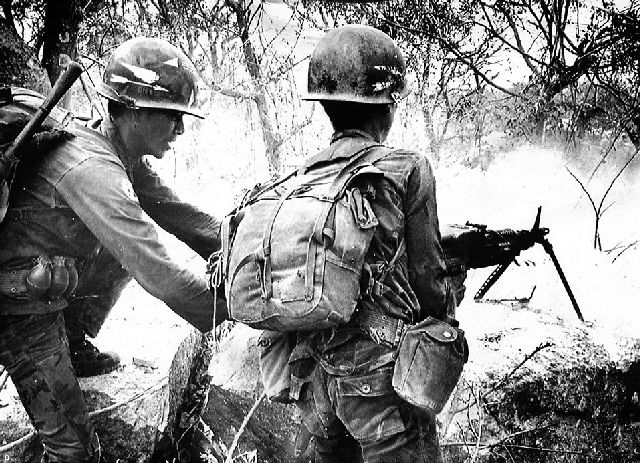
Tuy vậy, Tiểu đoàn 22/BĐQ vẫn giữ vững tinh thần chiến đấu gắn bó của đơn vị, đánh xuyên qua tuyến phục kích cấp trung đoàn của địch, tiếp tục tiến lên hướng Bắc thung lũng Plei Trap. Lúc đó, tiểu đoàn Biệt Động Quân Việt Nam đã ra khỏi tầm mức liên lạc truyền tin của các đơn vị bạn, chỉ còn liên lạc được với phi cơ bay bao vùng. Rừng núi rập rạp cũng làm trở ngại vấn đề liên lạc qua máy truyền tin, xin không trợ hay trực thăng võ trang yểm trợ cho tiểu đoàn. Một phi cơ “Hỏa Long” lên bắn yểm trợ được một lúc, rồi sau đó phải bay về mà không rõ lý do.

Đêm ngày 3 tháng Ba năm 1971, Tiểu đoàn 22/BĐQ phá được trận phục kích, đến một ngọn đồi nơi hướng Nam trại LLĐB Ben Het, tổ chức phòng thủ đêm. Không “tiêu diệt” được tiểu đoàn Biệt Động Quân, quân Bắc Việt pháo kích như mưa lên ngọn đồi, hàng trăm quả đạn súng cối trong vòng một tiếng đồng hồ. Một quả rơi vào hố chiến đấu của Dubbeld và Duncan.

Bộ Tư Lệnh Quân Đoàn II, vội vã đưa Tiểu đoàn 23/BĐQ (bằng xe!) từ Pleiku lên Tân Cảnh, rồi từ đó sẽ tiến về hướng Ben Het bắt tay với Tiểu đoàn 22/BĐQ. Để tiếp cứu đơn vị bạn, Tiểu đoàn 23/BĐQ chạy đua với thời gian, từ Tân Cảnh, tới Dak To, rồi xuống tới Ben Het.

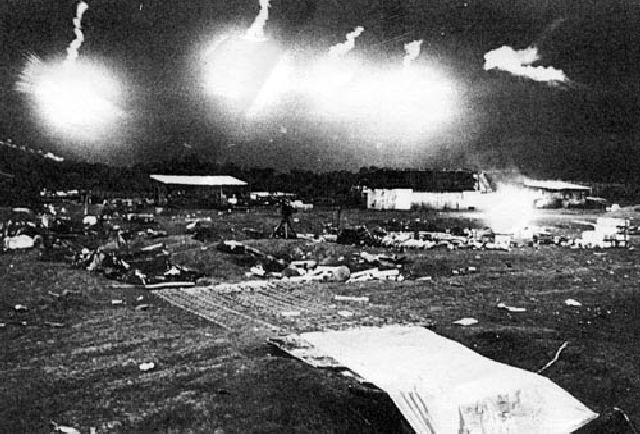
Khi vào đến trại LLĐB Ben Het, quân đội Bắc Việt đang pháo kích vào căn cứ, nhiều đám bụi bay lên rải rác, đó đây. Chui vào hầm trung tâm hành quân trại Ben Het, tôi được nghe những lời đối thoại của nhân viên trên hệ thống truyền tin “Đây là Ben Het. Thưa đúng, chúng tôi đang bị pháo kích… Thưa không. Ngay bây giờ. Tôi lập lại ‘Thưa tôi không phải thằng nói láo’…”

Không tới một tiếng đồng hồ sau, trước khi trời xập tối, Tiểu đoàn 23/BĐQ ra khỏi trại LLĐB Ben Het, tiến về hướng Nam, để bắt tay với Tiểu đoàn 22/BĐQ. Tiểu đoàn di chuyển rất thận trọng, nên không có chuyện gì xẩy ra. Đến lúc rạng đông ngày hôm sau, chúng tôi bắt tay với tiểu đoàn bạn, rồi cả hai đon vị, gấp rút quay trở lại trại LLĐB Ben Het.

Sau đó tiểu đoàn 22/BĐQ được một đoàn trực thăng đến đưa về Pleiku. Còn lại tiểu đoàn 23/BĐQ khoảng 300 binh sĩ nằm giữ căn cứ Ben Het. Chúng tôi được biết khoảng mười ngàn quân Bắc Việt đang có mặt trong vùng Tam Biên. Trại LLĐB Ben Het nằm ngoài tầm tác xạ yểm trợ của Pháo Binh… Không yểm cũng không được quyền ưu tiên. Dubbeld và Duncan đã hy sinh… có thể sẽ đến phiên chúng tôi…

TIỂU ĐOÀN 23 BIỆT ĐỘNG QUÂN BEN HET, ĐẦU NĂM 1971
… Chúng tôi cảm thấy rất cô đơn, mặc dầu trong trại Lực Lượng Đặc Biệt biên phòng Ben Het có khoảng ba trăm Biệt Động Quân.

Tiểu đoàn 23 Biệt Động Quân được gửi lên vùng Tam Biên, nơi đầu thung lũng Plei Trap để bắt tay với Tiểu đoàn 22/BĐQ đang hành quân trong vùng. Tiểu đoàn 22/BĐQ cũng được lệnh tiến lên phiá Bắc thung lũng. Đối đầu với ba trung đoàn 28, 40 và 66 quân đội Bắc Việt. Tiểu đoàn 22/BĐQ phá vỡ trận phục kích cấp trung đoàn của địch, tiếp tuc tiến về hướng tiền đồn Ben Het. Tiểu đoàn chịu tổn thất hai cố vấn Hoa Kỳ, Trung úy Orie Dubbeld, Trung sĩ Nhất James Duncan vì đạn súng cối và một số binh sĩ Biệt Động Quân.

Tiểu đoàn 23/BĐQ trong đó có tôi, từ Ben Het di chuyển vào trong rừng, thiết lập tuyến phòng thủ đêm, nơi hướng nam căn cứ. Chúng tôi đã đề phòng cẩn thận, không có chuyện gì xẩy ra trong đêm và sáng sớm hôm sau, chúng tôi bắt tay với Tiểu đoàn 22/BĐQ. Cả hai tiểu đoàn cùng di chuyển vào bên trong trại LLĐB Ben Het, để chỉnh đốn hàng ngũ.

Sau đó tiểu đoàn 22/BĐQ, được đưa về hậu cứ ở Biển Hồ, Pleiku vì đã bị tổn thất trong trận phục kích vừa qua. Tiểu đoàn 23/BĐQ được lệnh nằm lại, chống giữ trại LLĐB, trong khi các binh sĩ trong trại đã được đưa về trung tâm huấn luyện BĐQ Dục Mỹ để tái bổ xung, huấn luyện. (Thực ra, lúc đó trại LLĐB Ben het đã được cải tuyển sang Tiểu đoàn 95 Biệt Động Quân Biên Phòng và được đưa về Dục Mỹ huấn luyện).

Trong căn cứ Ben Het lúc đó chỉ có khoảng 300 binh sĩ BĐQ tiểu đoàn 23 và BCH liên đoàn 2/BĐQ. Ở bên ngoài, ba trung đoàn chính quy Bắc Việt đang siết chặt vòng vây. Trại LLĐB biên phòng này nằm gần khu vực ba biên giới, Lào, Miên và Việt Nam , nơi cuối con đường cũ do người Pháp xây trước đây, xa hơn trại LLĐB Dak To. Nói theo văn chương, Ben Het ở cuối con đường, hỏa ngục của các trận đánh đẫm máu. Phiá bên kia biên giới là những nhánh nhỏ trong hệ thống đường mòn HCM.

Xem xét lại tình hình bạn và địch, chúng tôi biết rằng cán cân nghiêng về phiá địch quân. Biệt động quân có hai khẩu 105 ly, cơ hữu của căn cứ và một pháo đội 175 ly của tiểu đoàn 1/92 Pháo Binh Hoa Kỳ. Ngoài ra có vài quân nhân LLĐB còn sót lại, họ thuộc đại đội công vụ, lo trông nom, giữ gìn doanh trại.

Sau khi Tiểu đoàn 22/BĐQ vừa đi khỏi, địch quân cắt đứt con đường duy nhất lên Ben Het. Nhóm cố vấn chúng tôi vội vã yêu cầu chuẩn bị cho vấn đề không yểm khi cần thiết, nhưng được trả lời “Không trợ đã được dành cho những mặt trận khác có độ ưu tiên cao hơn”. Chúng tôi có lẽ được một chiếc trực thăng đơn độc đến thăm, đem theo vị sĩ quan tình báo từ Pleiku. Ông ta sẽ di chuyển những chấm đỏ (địch) trên bản đồ và cho chúng tôi biết, trong vùng hành quân có… hàng chục ngàn quân CSBV.

Hai ngày sau, Trung Tá Bùi Văn Sâm, Liên đoàn Trưởng LĐ2/BĐQ, đại úy Nguyễn Văn Phương, Tiểu đoàn Trưởng TĐ23/BĐQ quyết định, đưa một đại đội lên chiếm đóng đồi 880. Ngọn đồi chiến lược quan sát toàn khu vực Ben Het và đường xâm nhập của địch quân nằm bên kia biên giới. Tôi cùng với trung sĩ nhất Acoba đi theo đại đội biệt động quân. Trên đường di chuyển, chúng tôi thấm mệt, lên xuống những hố bom khổng lồ trước khi lên tới đỉnh đồi. Lần leo núi này mệt nhất trong đời, mặc dầu trước đây, tôi đã trải qua hai tuần lễ nơi “Căn Cứ Núi, Ranger Mountain Camp” ở Dahlonga, tiểu bang Georgia, trong khóa huấn luyện Biệt Động Quân Hoa Kỳ. Ngọn đồi này có vị trí chiến lược, là nơi có những trận đánh đẫm máu cho cả đôi bên. Trên đỉnh đồi không có một thân cây nào còn nguyên vẹn, chỉ còn lại mầu đất đỏ cùng với hầm hố, giao thông hào chiến đấu.

Đại đội Biệt Động Quân lên tới đỉnh đồi cũng nằm thở dốc, sau đó rải quân xung quanh ngọn đồi thiết lập tiền đồn phòng thủ. Trên đỉnh đồi hoang tàn, nắng cháy, vấn đề nước uống rất cần thiết. Vài binh sĩ BĐQ lấy nước từ trong hố bom, đục ngầu để uống, kết qủa nằm ôm bụng. Sĩ quan Biệt Động Quân đến quan sát hố bom, dùng gậy khuấy lên mới biết, trong hố bom có xác chết mục rữa, chỉ còn xương. Có lẽ xác của một cán binh Bắc Việt, chết trong trận đánh năm ngoái (vùng tam biên, năm nào đến mùa khô, khoảng tháng Ba địch quân thường mở những trận tấn công lớn). May mắn, lúc đó đang có một trực thăng Hoa Kỳ đậu trong căn cứ, các cố vấn Hoa Kỳ gọi máy xin trực thăng tiếp tế nước uống cho đại đội Biệt Động Quân tiền đồn.

Chiếc trực thăng đem nước cho Biệt Động Quân cất cánh đúng lúc địch quân pháo kích vào trại LLĐB Ben Het bằng hỏa tiễn 122 ly. Trên đỉnh đồi 880, chúng tôi quan sát rất rõ, nhìn thấy được vị trí đặt hỏa tiễn của địch. Tôi vào tần số báo cáo vào trong căn cứ. Một giọng nói lạ như hét lên, cho biết họ đang bị pháo kích, yêu cầu tôi ra khỏi hệ thống để họ làm việc. May thay, trung tá Toner, Cố vấn Trưởng Liên đoàn 2/BĐQ nhận ra được giọng của tôi, chen vào. Ông ta ra lệnh cho tôi gọi không yểm, ông ta quên rằng, tôi đã xin nhưng không được ưu tiên… phải chờ!

Một “chốt” Biệt động quân nằm dưới chân đồi cũng báo cáo lên cho biết, họ trông thấy lính Bắc Việt đi chặt gỗ trong rừng. Đó là một dấu hiệu không tốt cho BĐQ, điều đó chứng tỏ địch quân vẫn ung dung, không màng tới đơn vị BĐQ đang hiện diện trong vùng hành quân. Chắc chắn quân đội Bắc Việt phải có một đơn vị cỡ lớn trong thung lũng Plei Trap. Biết rõ tình hình địch, đại đội BĐQ đang đóng trên đồi đành nằm chịu, vì không thể bỏ tiền đồn, kéo xuống tấn công mấy tên địch lẻ tẻ… Biết đâu, địch quân chơi trò “điệu hổ ly sơn”. Mắc mưu là kể như vừa mất vị trí chiến lược, vừa bị rơi vào trận phục kích. Tôi gọi không yểm… và một lần nữa bị từ chối. Tôi cùng với trung sĩ nhất Acoba ngủ một “đêm dài” nơi tiền đồn cùng với đại đội BĐQ. May thay, không có chuyện gì xẩy ra trong đêm. Theo sự ước đoán… Địch quân bắt buộc phải… lấy lại vị trí chiến lược bằng mọi giá. Những cảnh hoang tàn đổ nát trên đỉnh và xung quanh ngọn đồi đã chứng minh sự suy luận của tôi.

Sáng hôm sau, một trực thăng đến đón, đưa tôi và Acoba trở vào trong trại LLĐB Ben Het. Những điều tôi đoán đã trở thành sự thực. Đại đội BĐQ chiến đấu anh dũng trong tuyệt vọng. Căn cứ Ben Het đã bị địch bao vây, pháo kích, không thể đưa quân ra ngoài tiếp cứu được, vả lại lội bộ cũng mất mấy tiếng hồng hồ (phải xử dụng trực thăng tiếp tế nước, đưa đón cố vấn Hoa Kỳ). Lính Bắc Việt xung phong lên đỉnh đồi, tràn vào tuyến phòng thủ của đại đội biệt động quân. Hai bên đánh cận chiến bằng lưỡi lê và lựu đạn… trước khi mất liên lạc với BCH tiểu đoàn 23/BĐQ trong căn cứ Ben Het.

Bên trong căn cứ Ben Het, tình hình rất căng thẳng, trong vùng tam biên có những đơn vị chính quy Bắc Việt cấp lớn. Quân lực VNCH tăng cường thêm quân lên Dak To và thiết lập một căn cứ hỏa lực trên một ngọn đồi nằm giữa Ben Het và Dak To. Bên trong trại LLĐB Ben Het, đồ tiếp liệu, lương thực, đạn dược cần được tiếp tế hàng ngày bằng xe từ Tân Cảnh. Ngày nào xe tiếp tế cũng bị bắn quấy rối, khi vừa qua khỏi Dak To. Cuối cùng, nhu cầu không yểm cho căn cứ được đáp ứng. Trung tá Toner ra lệnh cho tôi: “Fee, mình được biệt phái trực thăng võ trang Cobra bay bao vùng cho xe tiếp tế. Anh đi theo máy bay, quan sát coi tụi nó phục kích ở đâu, rồi điều động Cobra làm thịt”.

Được biết khu vực không được an toàn, phi công trực thăng bay là trên đầu ngọn cây dọc theo con đường để tránh hỏa lực phòng không của địch. Từ trên không nhìn xuống một ngọn đồi nhỏ trước mặt, thay vì bay vòng để tránh, viên phi công tiếp tục bay thẳng, lên cao tránh ngọn đồi, rồi lại xà thấp xuống. Chúng tôi nhìn rõ trận phục kích ở dưới, ngay trước mắt là một chiếc xe GMC chở đạn đại bác đang bốc cháy và sẽ nổ tung không biết lúc nào. Viên phi công hốt hoảng bay lên cao. Chúng tôi quan sát lại cho kỹ tình hình ở dưới, có khoảng ba chiếc xe trúng đạn bốc cháy, binh sĩ VNCH hộ tống đoàn xe, nằm rải rác dọc theo con đường đang chống trả đám lính Bắc Việt từ hai bên đường, đang sửa soạn tiến lên chỗ đoàn xe đang nằm kẹt trên đường.

Tôi báo cáo về Ben Het, và được bốn chiếc Cobra bay theo đội hình hàng dọc lên bao vùng. Tôi cho họ biết vị trí của địch rồi theo dõi các trực thăng võ trang “làm việc” để báo cáo. Chợt có một chiếc máy bay quan sát FAC (Phi cơ điều không tiền tuyến, Forward Air Control) lên bao vùng.

Viên phi công FAC này tôi quen trong phi trường Cù Hanh ở Pleiku, lên tiếng hỏi.
– Tôi giúp được gì không?
– Chắc chắn. Bạn có những gì?

– Loại “bay nhanh” (phản lực). Trên đường “vượt rào” trở về (vượt biên thả bom trên đất Miên).
– “Đồ chơi” (bom) cỡ nào?

– 500 cân Anh.
– Ồ “bạn hiền” (oh, man!). Để tôi cho mấy chiếc Cobra ra khỏi vùng.

Xin cám ơn Thượng Đế. Tôi đang kiếm “bạc cắc” đào được “vàng”. Sau khi các trực thăng Cobra làm cú chót, tôi nói họ bay về hướng quân bạn. Viên phi công FAC cũng khuyên tôi “Bạn cũng nên ra khỏi khu vực luôn”. Biết gặp “thứ dữ”, tôi nói viên phi công trực thăng, đưa tôi trở lại căn cứ Ben Het. Trung Tá Sâm, Liên đoàn Trưởng LĐ2/BĐQ vui vẻ cho biết, trận phục kích đã thất bại và đoàn xe tiếp tế sắp vào đến căn cứ.

Tôi đi theo Trung Tá Sâm, Trung Tá Toner, mấy sĩ quan BĐQ leo lên nóc pháo đài, dùng ống nhòm theo dõi trận oanh kích. Sau khi máy bay quan sát FAC bắn đạn khói chỉ điểm mục tiêu, hai phản lực F-4 Phantom chúi xuống thả bom. Trận đánh kết thúc nhanh chóng. Một đại đội biệt động quân được lệnh ra ngoài căn cứ, truy kích đám tàn binh của địch đang trên đường rút lui.

Biệt Động Quân đem về ba tù binh. Một trong ba người cấp bậc Hạ sĩ Quan, anh ta có cuốn sổ tay ghi tên và vũ khí trang bị cho các cán binh trong trung đội. Cuốn sổ tay còn cho biết vị trí nhận tiếp tế cho đại đội anh ta. Các tù binh bắt được cùng tài liệu được trực thăng đến đưa về Pleiku. Một điều đáng nói là binh sĩ biệt động quân, đối xử với tù binh rất tốt, cho họ ăn uống và thuốc lá.

Sau trận phục kích, địch quân dường như đã rút quân ra khỏi khu vực tam biên. Có nhiều giả thuyết, có người cho rằng quân đội Bắc Việt dự định tấn công trại LLĐB Ben Het bất ngờ. sau đó đụng Tiểu đoàn 22/BĐQ trong thung lũng Plei Trap, rồi được biết có thêm TĐ23/BĐQ vào vùng hành quân, nên địch quân bỏ kế hoạch tấn công.

Vùng Tam Biên với trại LLĐB Ben Het là điểm nóng trên vùng Cao Nguyên. Căn cứ hỏa lực vừa mới thiết lập giữa Dak To và Ben Het, chỉ được ít hôm bị địch tràn ngập. các ngọn đồi xung quanh đều thấm máu của cả hai bên. Cho đến mùa Hè năm 1972, vùng này hoàn toàn lọt vào tay địch quân.

Theo tài liệu: Patrolling, Fall 2009, trang: 67-69
Dallas, Texas
Vũ Đình Hiếu

Nguồn: https://hoiquanphidung.com/echo/index.php/vn/item/202-ti-u-doan-23-bi-t-d-ng-quan-t-i-ben-het-nam-1971-vu-dinh-hi-u