Thursday, October 12, 2017

DÙ ĐÃ CHẠY QUA MỸ , VC ĐÃ BÁM THEO CHÚNG TÔI BÉN GÓT !
- Cách đây nhiều năm một nhà báo đã hỏi TT Bush , tại sao Mỹ lại cho phép dịch vụ kiều hối (remittance services) hoạt động tấp nập (vì nhiều dân tộc cũng có kiều hối rất mạnh như Mễ , Phi , TQ , v.v...-- Tài) ? Ông Bush trả lời : Cuối cùng , dollar Mỹ cũng sẽ trở lại nước Mỹ !!! (Trong đó có ng giàu và quan tham VN đầu tư ngược vào Mỹ rất nhiều qua mua nhà , tiệm vàng , siêu thị , thương xá , v.v... -- Tài)
1/ Tôi lấy làm khó chịu vì có rất nhiều ng đang ở VN , tuy ngoài miệng CHỬI RỦA Mỹ và VNCH (xem đoạn 2) nhưng bản thân , con cái họ đều mong đc sống tại Mỹ !!! Tại Nam Cali , nhiều nhà 5-6 phòng sang trọng đều đc mua bởi ng Việt * , trả bằng TIỀN MẶT , nên đã gây khó chịu cho cư dân địa phương ! (theo 1 bài báo về địa ốc trong nước) . Ở Mỹ , trừ những ng quá giàu , thông thường ta chỉ có thể down payment (đặt cọc) , sau đó trả góp hàng tháng trong vài chục năm .
Bạn có thể thắc mắc : làm sao có thể chuyển 1 số tiền LỚN , vài trăm ngàn hay vài triệu đô hay hơn nữa sang Mỹ để mua nhà hay siêu thị Việt nam , v.v... tại các TP có nhiều ng Việt ? - Đó là nhờ KIỀU HỐI : khi bạn gửi 100 đô (với phí 2/100) cho ng thân khốn khó tại VN , số tiền đó vẫn NẰM ở Mỹ . (Nếu bạn gửi số tiền lớn hơn , phí sẽ gần như sẽ là zero !!! . (Trong khi gửi tiền qua cty Western Union rất cao từ 5 -10/100) . Tại sao lại nghịch lý như vậy ? ) . Các bạn tôi nói thêm , khi ta gửi tiền cho thân nhân , lẽ ra kiều hối ko nên tính phí chuyển tiền : quá đúng vì ta giúp họ (chuyển ngân lậu) . GS Nguyễn xuân Nghĩa đã viết về hình thức chuyễn ngân LẬU qua kiều hối này .
Do đó , nếu bạn muốn chuyển 1 số tiền lớn qua Mỹ , tại vn sẽ có đường dây nhận tiền của bạn (lệ phí theo thỏa thuận) và ra lịnh cho đường dây tại mỹ giao tiền đến ng thân của bạn để họ làm ăn , mua nhà , v.v... Vì ko ai ngu dại hay có thể mang số tiền lớn trong ng khi ra nước ngoài , vừa nguy hiểm và phạm luật của vn và mỹ (trên 5.000 đô tiền mặt phải khai báo) . Ngân hàng Hongkong and Shangai Banking Corporation (HSBC) có chi nhánh tại vn : bạn gửi tiền tại đây và xử dụng thẻ credit để mua sắm tại mỹ thoải mái .
Hiện nay CS đã đầu tư RẤT NHIỀU tại Mỹ như mua nhà (vì có con đi học) , hay mua tiệm vàng , nhà hàng , cửa hàng , thương xá , v.v... (để bà con đứng tên) ; vì kinh tế Mỹ ổn định , luật pháp nghiêm minh , v.v... Phần lớn các ông lớn CS đều có con đi học hay dâu/rể ng Mỹ như Ba Dũng , v.v...
2/ Tôi biết một bà trên 60 t , rất giàu có , GĐ một cty ở SG , gia đình bên bà là Việt cộng nằm vùng tại SG trước 75 , bản thân bà học trung học và chồng học ĐH Y khoa dưới chế độ cũ . Ở VN , khi gặp bạn bè , ng quen (có ng thân của tôi) , bả thường xuyên chửi bới chế độ VNCH như "mấy ông SQ chế độ cũ sao ko chết hết đi , v.v... " nhưng thằng con trai bà đang học tại San Jose và bà đã mua 1 căn nhà tại đây . Bà đi Mỹ như đi chợ vì thằng con hư hỏng , (phá gia chi tử) , đàng điếm , chơi xe xịn , nên mỗi năm bà đều qua đây vài tháng để kèm cặp nó . Thằng này đang cặp với 1 cô VN , nếu cưới sẽ ở lại . (Ba năm sau vô quốc tịch và 1 năm sau đó cha mẹ sẽ qua Mỹ) . Thằng này , khi có một CP tương lai ở vn , có thể sẽ về vn tham gia CP !!! Hiện nay thành phần gốc CS này đang có mặt RẤT NHIỀU tại Mỹ , đi học ĐH , chơi xe xịn , sống rất đế vương do tiền THAM NHŨNG của cha mẹ . . . Họ ko dám ra mặt chống đối cộng đồng tị nạn tại Mỹ nhưng trong lòng luôn hướng về CSVN .
* Họ là các quan tham hay ng giàu ở VN , nhờ bà con bên Mỹ mua nhà giùm và hiện nay tại HN và SG đều có các cty địa ốc giúp ng VN mua nhà tại Mỹ bằng cách đưa họ sang xem nhà , v.v... Ở Mỹ , mua nhà rất dễ , chỉ cần có thẻ xanh .
Comments
Bui Gia Hoa · Friends with Quang Tri Nhan and 41 others
Bài viết hay quá.! Mình share lại nhé.Thanks Tg Bạn Tai Tran & Bạn Khanh Vu Duc.!
Remove
Tai Tran @Bui Gia Hoa : bạn cứ share . Tôi hy vọng bài viết này lọt vào mắt của bà . Nói cho vui chứ thì giờ đâu mà bà lướt mạng như chúng ta : niềm vui của bà là đếm các tờ đô-la xanh càng nhiều càng tốt hay khiêu vũ hay xem phim trên mạng , v.v... Đi đâu bà cũng mang iPad loại 128 GB và đi du lịch như đi chợ . . . Đi nước ngoài mua sắm bằng thẻ của bank HSBC -- Tài . 
Nhưng bà này nên nhớ "nước lên thì cá ăn kiến nhưng nước xuống thì kiến ăn cá" .
Tôi buộc phải viết bài này vì tôi biết bà , nhưng ko chịu ko nổi thái độ "ăn cơm quốc gia thờ ma cộng sản" của bà ta . Dù gđ của bà là Việt Cộng nằm vùng nhưng bà đã chịu ơn chế độ cũ khi học trung học ở Sài gòn cũng như chồng bà (đã học ĐH Y khoa) . Sự giàu có của bà là dựa hơi CS , theo kiểu "theo đóm ăn tàn" . Sau 1975 , có những nhà - chủ ra nước ngoài * : do quen biết phường/quận nên bà chạy chọt , mua lại theo kiểu "hóa giá" rồi sửa sang bán cho ng khác hay làm tài sản của mình . Và bà phất lên bằng việc mở KS sang trọng , VP cho thuê , v.v... 
Bà phải nên nhớ "nước lên thì cá ăn kiến nhưng nước xuống thì kiến ăn cá" . 
(* Và sau đó bán "hóa giá" cho cán bộ đang ở nhà đó với giá tượng trưng ; thời gian sau đó , các CB này bán lại cho ng khác...) .
Manage
Tai Tran KIỀU HỐI là dịch vụ CHUYỂN NGÂN LẬU .
Nếu bạn chỉ gửi 100 (cước 2 đô) thì VP Kiều hối tỏ vẻ hờ hững . Nhưng nếu bạn gửi cả ngàn hay nhiều hơn , thì họ rất vui vẽ , nồng nhiệt (dù tiền cước gần như ZERO) . QUÁ NGHỊCH LÝ : Tại sao nhận tiền cước thấp như
ng họ lại hào hứng ? Vì họ hưởng huê hồng CAO nếu bạn gửi nhiều !!! Trong khi kiều hối Western Union của Mỹ thì phí từ 5-10/100 . Do vậy , tôi có thể khẳng định KIỀU HỐI là dịch vụ CHUYỂN NGÂN LẬU - mà GS NGUYỄN XUÂN NGHĨA đã viết bài tố cáo .

Friday, October 6, 2017

Boot-from-a-usb-drive-even-if-your-bios-wont-let-you

https://www.howtogeek.com/howto/16822/boot-from-a-usb-drive-even-if-your-bios-wont-let-you/
You’ve always got a trusty bootable USB flash drive with you to solve computer problems, but what if a PC’s BIOS won’t let you boot from USB? We’ll show you how to make a CD or floppy disk that will let you boot from your USB drive.
https://www.howtogeek.com/129815/beginner-geek-how-to-change-the-boot-order-in-your-computers-bios/
sshot-1
This boot menu, like many created before USB drives became cheap and commonplace, does not include an option to boot from a USB drive.
A piece of freeware called PLoP Boot Manager solves this problem, offering an image that can burned to a CD or put on a floppy disk, and enables you to boot to a variety of devices, including USB drives.
Put PLoP on a CD
PLoP comes as a zip file, which includes a variety of files. To put PLoP on a CD, you will need either plpbt.iso or plpbtnoemul.iso from that zip file. Either disc image should work on most computers, though if in doubt plpbtnoemul.iso should work “everywhere,” according to the readme included with PLoP Boot Manager.
Burn plpbtnoemul.iso or plpbt.iso to a CD and then skip to the “booting PLoP Boot Manager” section.
Put PLoP on a Floppy Disk
If your computer is old enough to still have a floppy drive, then you will need to put the contents of the plpbt.img image file found in PLoP’s zip file on a floppy disk.
To do this, we’ll use a freeware utility called RawWrite for Windows.
sshot-6
We aren’t fortunate enough to have a floppy drive installed, but if you do it should be listed in the Floppy drive drop-down box. Select your floppy drive, then click on the “…” button and browse to plpbt.img. Press the Write button to write PLoP boot manager to your floppy disk.
sshot-7
Booting PLoP Boot Manager
To boot PLoP, you will need to have your CD or floppy drive boot with higher precedence than your hard drive. In many cases, especially with floppy disks, this is done by default.
If the CD or floppy drive is not set to boot first, then you will need to access your BIOS’s boot menu, or the setup menu. The exact steps to do this vary depending on your BIOS – to get a detailed description of the process, search for your motherboard’s manual (or your laptop’s manual if you’re working with a laptop).
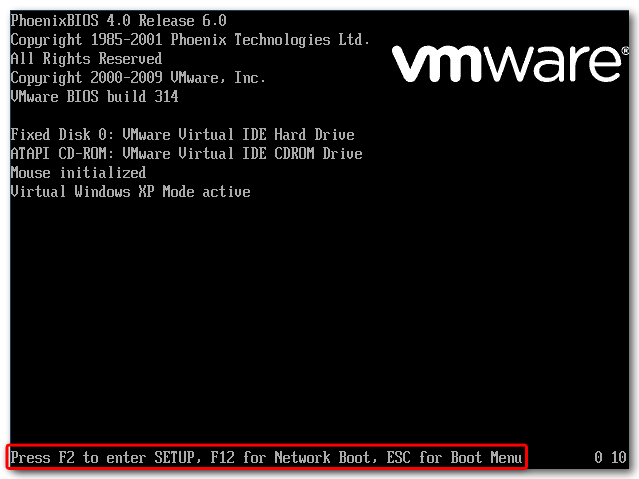
In general, however, as the computer boots up, some important keyboard strokes are noted somewhere prominent on the screen. In our case, they are at the bottom of the screen.
sshot-18
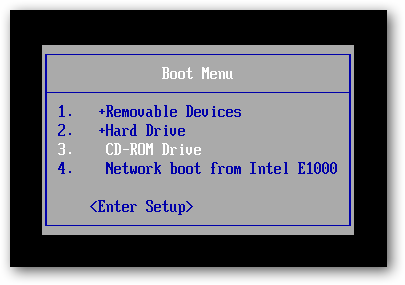
Press Escape to bring up the Boot Menu. Previously, we burned a CD with PLoP Boot Manager on it, so we will select the CD-ROM Drive option and hit Enter.
sshot-2
If your BIOS does not have a Boot Menu, then you will need to access the Setup menu and change the boot order to give the floppy disk or CD-ROM Drive higher precedence than the hard drive. Usually this setting is found in the “Boot” or “Advanced” section of the Setup menu.
sshot-17
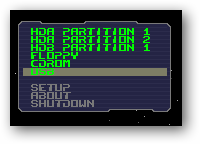
If done correctly, PLoP Boot Manager will load up, giving a number of boot options.
sshot-3
Highlight USB and press Enter.
sshot-4
PLoP begins loading from the USB drive.
sshot-5
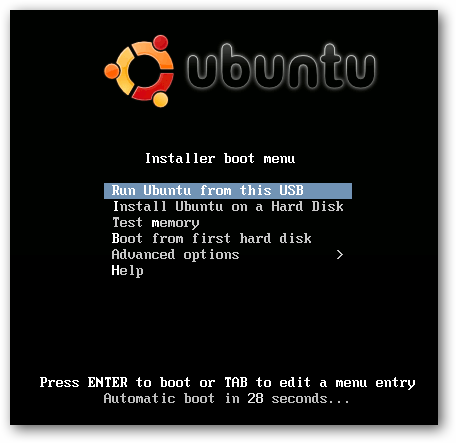
Despite our BIOS not having the option, we’re now booting using the USB drive, which in our case holds an Ubuntu Live CD!
sshot-8
This is a pretty geeky way to get your PC to boot from a USB…provided your computer still has a floppy drive. Of course if your BIOS won’t boot from a USB it probably has one…or you really need to update it.

How to Change Your Computer’s Boot Order


The boot order is controlled in your computer’s BIOS or UEFI firmware, depending on how new your computer is.
To access the BIOS, you’ll need to restart your computer and press a specific key at the start of the boot process. This key is generally displayed on-screen during the boot process. For example, you may see a message that says “Press <DEL”> to enter setup” or “Press F2 to access the BIOS.” Press the required key at the correct time and your computer’s BIOS will appear.
While Delete and F2 are probably the most common keys, your computer may require another key, such as F1, Escape, or Ctrl+Alt+Escape. If you don’t see the required key on-screen, consult your computer’s manual or search for your computer’s model name and “bios key” on Google. (If you built your own computer, consult the motherboard’s manual instead.)
bios-key-at-boot-up
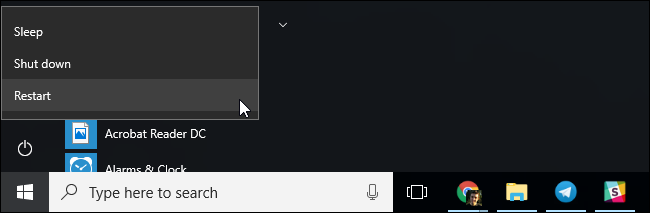
On a PC with UEFI firmware—which most newer PCs that came with Windows 8 or 10 will have—you may not be able to press a key at boot to access this menu. Instead, you’ll first need to boot into Windows. Press and hold the “Shift” key as you click the “Restart” option in the Start menu or on the sign-in screen. Windows will reboot into a special boot options menu.
Click Troubleshoot > Advanced Options > UEFI Firmware Settings on this menu screen to access your computer’s UEFI settings screen.
This boot menu will also automatically appear if your PC is having trouble booting properly, so you should be able to access it even if your PC can’t boot Windows.
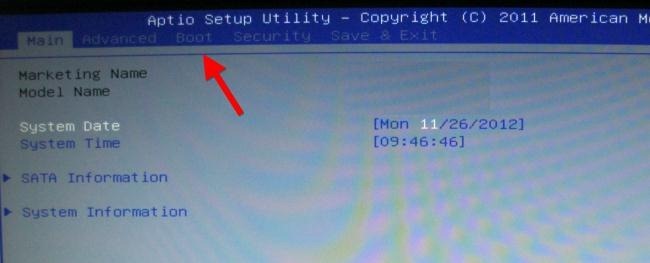
Once you’re in the BIOS or UEFI firmware menu, look for some sort of “Boot” option menu. If you’re lucky, there will be a tab at the top of the screen named Boot. If not, this option may be located beneath another tab.
boot-tab-in-bios
Use the arrow keys to navigate through the BIOS. To select something, press Enter. You’ll generally see a list of the keys you can use at the bottom-right corner of your screen. Some newer computers with UEFI firmware may allow you to use a mouse on this screen, too.
bios-keyboard-shortcuts
Locate the boot order screen that lists the boot devices. This may be on the Boot tab itself or beneath a Boot Order option.
bios-boot-devices
Select an option and press Enter to change it, either to disable it or specify another boot device. You can also use the + and – keys to move devices up or down in the priority list. (These steps may be slightly different on some computers; consult the list of keyboard shortcuts on your screen.)
change-bios-boot-order
Note that “USB drive” doesn’t appear as an option in the list, even though our computer has USB ports. If we connected a USB device to the computer before starting our computer and accessing this screen, we’d see the USB drive option in the list. Some computers display the USB drive option even when a drive isn’t connected, while some don’t.
The boot order is a priority list. For example, if “USB drive” is above “hard drive” in your boot order, your computer will try the USB drive and, if it’s not connected or no operating system is present, it’ll then boot from the hard drive.
To save your settings, locate the Save & Exit screen. Select the “Save Changes and Reset” or “Save Changes and Exit” option and press Enter to save your changes and restart your computer.
You may also be able to press a specific key to save your settings and reset the computer. Ensure you select the “save and exit” option, not the “discard changes and exit” option.
save-bios-changes
Once your computer restarts, it will boot using your new boot order priority.

How to Access Your Computer’s Boot Menu (If It Has One)

To reduce the need to change your boot order, some computers have a Boot Menu option.
Press the appropriate key—often F11 or F12—to access the boot menu while booting your computer. This allows you to boot from a specific hardware device once without changing your boot order permanently.
computer-boot-menu
On a UEFI-based PC—again, most PCs that shipped with either Windows 8 or 10 use UEFI—you can choose a boot device from the advanced boot options menu.
From within Windows, press and hold the Shift key and click the “Restart” option in the Start menu or on the sign-in screen. Your PC will restart into the boot options menu.
Select the “Use a device” option on this screen and you can choose a device you want to boot from, such as a USB drive, DVD, or network boot.
anh bộ đội cụ Hồ .

Thursday, October 5, 2017

Muốn biết CPU của máy tính chạy 64 hay 32-bit 
Những bước để xác định máy tính của bạn có bộ xử lý 32 hay 64-bit tùy thuộc vào HĐH chạy trên máy tính của bạn . 
I/ Áp dụng trên máy tính (thiết kế để) chạy HĐH Windows . 
Nhấp vào Start và trong Start Screen hay Start Menu gỏ chữ system information và chọn biểu tượng System Information
hay
Vào Start menu chọn All Programs , Accessories , System Tools , System Information , xem hình 1 .


Ở bên phải của System Information , tìm chữ System Type nằm dưới cột Item . Nếu ở cột Value tương ứng có chữ "x86" thì CPU của máy là 32-bit ; nếu có chữ "x64" thì CPU là 64-bit .
NÊN NHỚ : bộ vi xử lý (CPU) 64-bit có thể dùng với HĐH Windows 32 hay 64-bit , trong khi CPU 32-bit chỉ dùng với Windows 32-bit . 


II/ Xác định xem HĐH Windows Vista , 7 . 8 và 10 , mà bạn xài , là 32-bit hay 64-bit .
1/ Nhấn và giử 2 phím Windows và Pause , xem hình 2 .
2/ Tìm chữ System type : sẽ là 64-bit Operating System nếu máy bạn xài HĐH Windows 64-bit ; sẽ là 32-bit Operating System nếu máy bạn xài HĐH Windows 32-bit , xem hình .


III/ Xác định xem Windows XP là 32-bit hay 64-bit .
1/ Nhấp và giử phím Windows Pause hay mở biểu tượng System trong Control Panel .
2/ Trong phần General của cửa sổ System Properties , nếu có chữ Windows XP thì máy bạn chạy Windows XP 32-bit . Nếu có chữ Windows XP Professional x64 Edition , máy chạy Windows XP 64-bit .

(còn tiếp) 
Dịch từ : https://www.computerhope.com/issues/ch001121.htm

Facebook Starts Letting You Add A 7-Second Looping Video As A Profile Pic

Next Story
To keep its decade-old social network lively, Facebook is introducing five big changes to user profiles, which are viewed 4 billion times per day:
  1. The option to pin Featured Photos to the top of the profile
  2. Temporary profile pics
  3. Easier visibility controls for About info, including a new 100 character Bio field
  4. A mobile-centric design with centered profile photos plus big sections for photos and friends
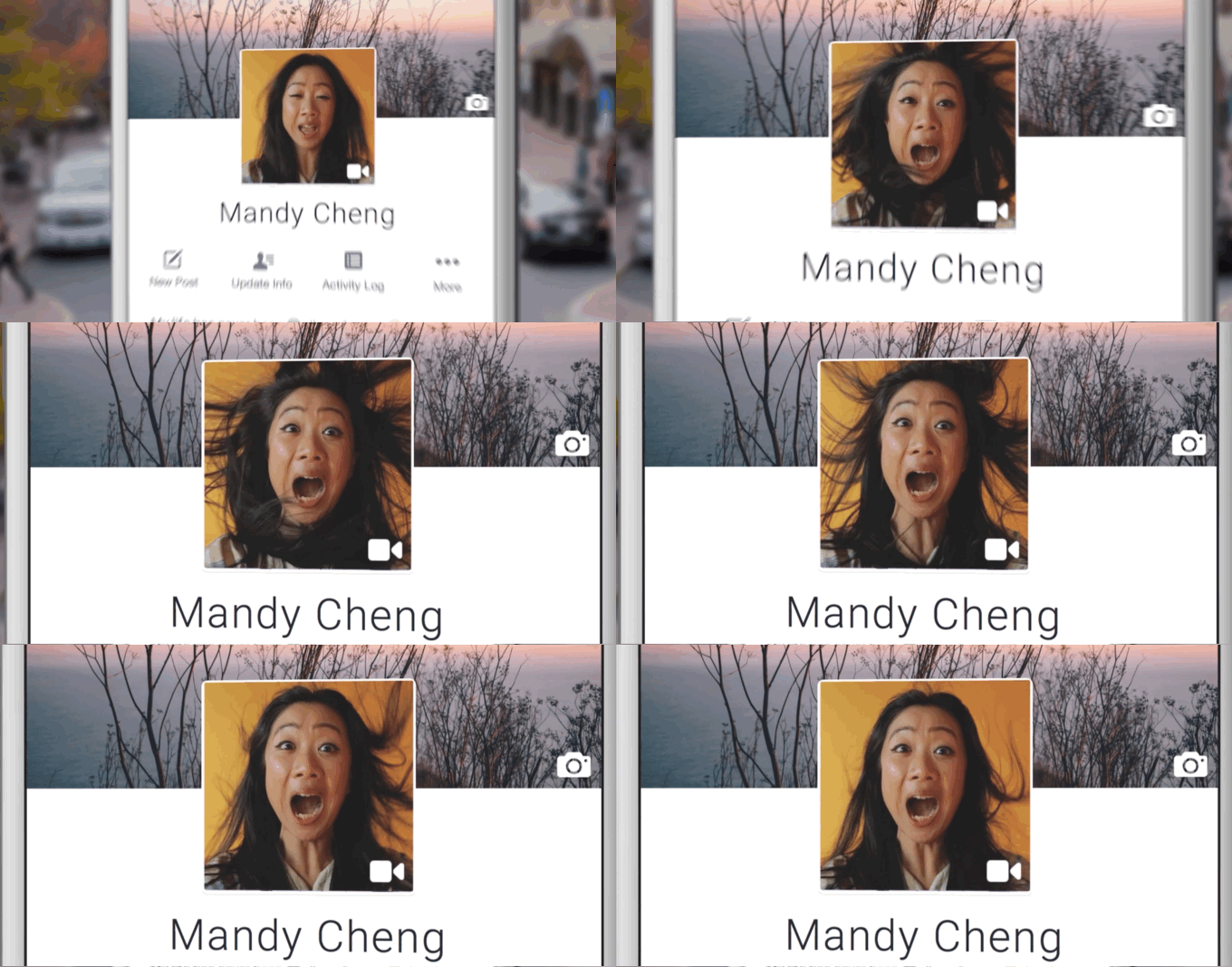
  5. The ability to use a 7-second looping video as your profile pic.
The features begin rolling out and testing today for some users.
Together, these changes should make Facebook more visually stimulating and addicting. As other networks like Twitter introduce auto-play video like Facebook did, and Snapchat adds animated selfie lenses and its own profile GIFs, Facebook has to stay a step ahead in the graphic arms race.
Meanwhile, Facebook wants to cement its profile as the center of your web presence. Snapchat hardly has a profile, and Twitter’s is basically just your most recent tweets. If Facebook can do more to let you customize how you represent yourself, you might be more willing to link back and send traffic to your profile.
Facebook’s product manager on the new profile, Aigerim Shorman, tells me it’s designed to highlight “what’s going on in their life, what’s important to them now in more expressive ways.” The most recent post you shared probably isn’t as useful for grasping your identity as biographical info or photos of you, so Facebook’s pushing that stuff above the timeline.
And finally, putting biographical info more front and center could get people to keep this information more up to date, which is critical to powering Facebook’s advertising engine. A similar overhaul of the web profile in 2010 scored Facebook immense amounts of data on where people live, where they went to school, and where they work, which has fueled its ad targeting ever since.
01-Video_GIFS_Final
Let’s break down each of the new features:

Profile Videos

Soon you’ll be able to click on your profile pic to upload a new profile video. You tap the record button and can shoot for up to 7 seconds with sound. The looping video will auto-play without sound (unless clicked) on your profile and the feed story about you uploading it. A still cover image you select will appear everywhere else, such as the small thumbnail that appears next to your News Feed stories.
“Earlier this half [year] we were having a brainstorm, and sometimes you find a gem,” Shorman tells me. “One of my designers called me over [to look at an engineer’s] Facebook At Work account. But his profile pic was moving. I thought ‘this is going to be a great expression opportunity.’ It brought the profile to life. You got to know the person better. So we got inspired to create an option to create a profile video.” She insists the Snapchat Profile GIFs that launched in July weren’t even discussed in the feature’s creation.
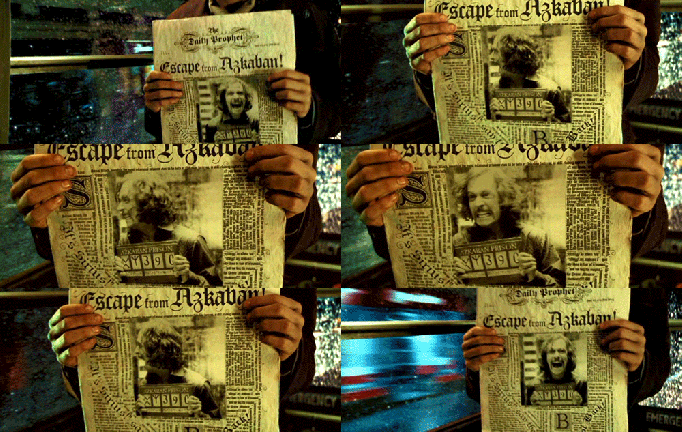
prisoner_of_azkaban_-_sirius_blackIn the examples, you’ll see Facebook employees dropping hats onto their heads, blowing their faces with air, or cracking a slow but subtle smile. The profile videos feel a bit like the Harry Potter newspapers, where photos suddenly come alive. They’re sure to unlock a ton of creativity from the user base.

Featured Photos

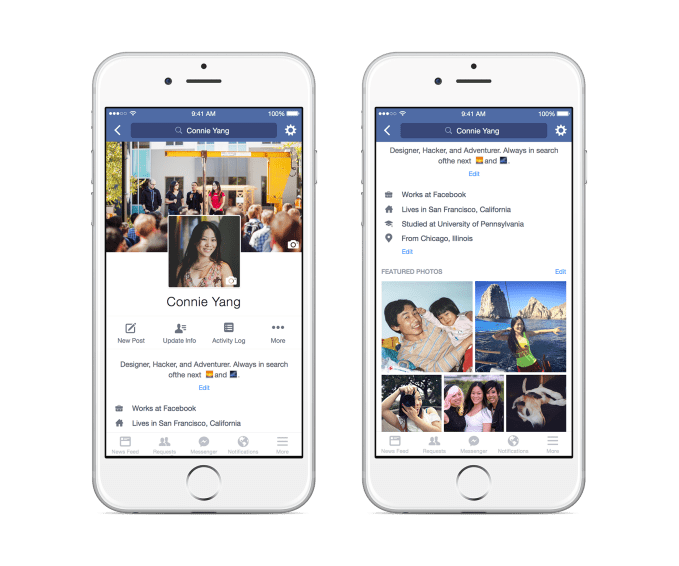
The next biggest feature is a new option to select up to five Featured Photos that will appear pinned to a section at the top of your profile. This is designed to let you give people considering your friend request or who just met you a better clue to your identity. They could show your favorite after-work activities, your pets, or just some extra selfies. Think of them as the extra photos in your Tinder profile. They’re not your main profile pic, but they’ll be used to judge you.
03-Featured-Photos_CY_Final

Temporary Profile Pics

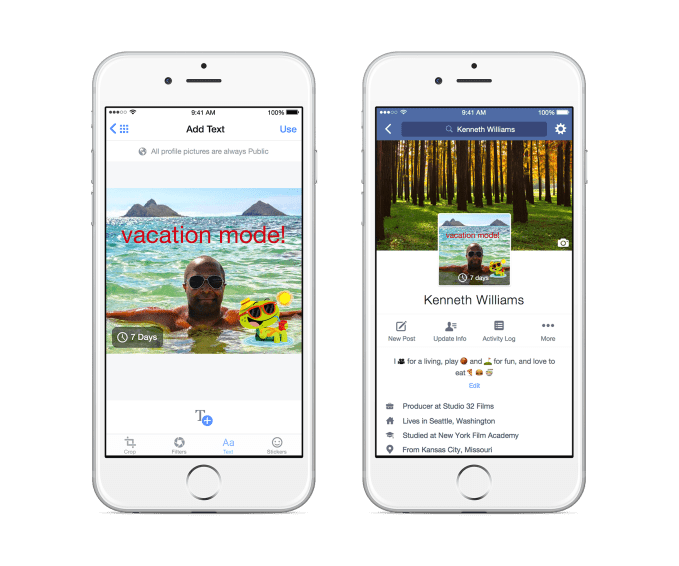
The temporary profile pic feature I spotted Facebook testing a few weeks ago is now getting an official rollout. It lets you select a profile pic, but have yours revert to your old pic after a set number of hours, days, or weeks. It’s useful for promoting a cause, like the 26 million people who set their profile pic rainbow in support of the right to gay marriage. In some cases, Facebook even provides little tools for filtering your profile pic.

Visibility Controls And Bio

Facebook is now adding in-line privacy controls to the big About information fields that appear at the top of your profile. Those set to public will now appear immediately on the profile below your profile pic, rather than buried in the About section. You’ll also be able to describe yourself in words with a new 100-character Bio field, which could also help people figure out if they want to be your friend, as long as you keep that section public.
02_Temporary-Profile-Pic_Vacation

Mobile Design

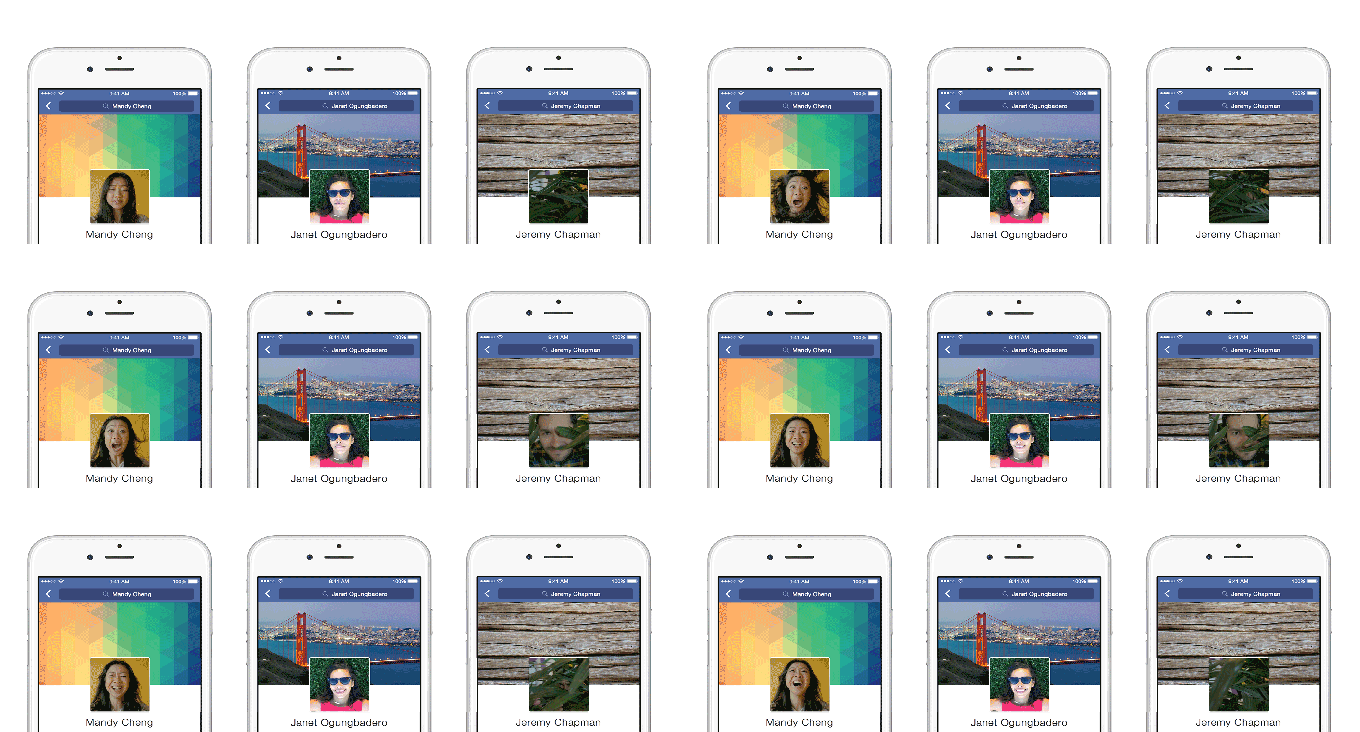
Rather than just port the more left-aligned web profile to mobile, Facebook has built a mobile-first design. It makes the profile pic/video bigger and puts it in the center of the screen. Below, rather than small panels that open to reveal details on friends and photos, Facebook is giving both their own big sections pinned below the profile pic and above the timeline.
Profile-Redesign-SmallAt first glance, the changes might seem merely aesthetically pleasing. And truthfully, that was the only task of the team that designed them. But the repercussions for Facebook’s business could be significant, just like a similar overhaul of web profiles in 2010 was.
The more that people want to visit profiles, the more they’ll want to update their own. With biographical information now easier to see at the top of the profile, users are incentivized to keep the info like their job title current. That in turn lets Facebook accurately target these users with ads meant for “software engineers” or people who “live in San Francisco.”
It’s another smart way Facebook has managed to align its business with its user experience. People go to your profile to get to know you. News articles or weekend tales aren’t as illustrative as a profile video, featured photos, or Bio text. Pushing them to the top gives your friends, and advertisers, a better understanding of who you are.

Wednesday, October 4, 2017

TẠI SAO TA LẠI GẶP ĐAU KHỔ ?
- Muốn biết kiếp trước tạo nhân gì , hảy xem kiếp này hưởng quả gì ,
Muốn biết kiếp sau hưởng quả gì , hảy xem kiếp này tạo nhân gì -- kinh Phật .
Đạo Phật nói , mỗi ng khi ra đời đều có 1 HÀNH TRANG : đây là kết quả những việc làm trong kiếp trước .
Nếu kiếp trước , họ làm nhiều điều tốt hơn điều xấu , cuộc đời họ trong kiếp này sẽ an nhàn , ít gặp giông ba bão tố .
Nếu kiếp trước họ làm điều xấu nhiều hơn điều tốt , họ sẽ thấy nhiều điều xấu đến với họ . 
Những ng giúp ta trong kiếp này , là do kiếp trước họ đã chịu ơn , nay trả ơn .
Ng nào làm khổ ta trong kiếp này , do kiếp trước ta làm khổ y , nay y trả thù . 
Tôi nghiệm thấy , ng làm khổ tôi thì NHIỀU hơn ng giúp tôi : tôi đã bị nhiều ng ghen ghét , nói xấu tôi , v.v... một cách vô lý , dù tôi ko động chạm đến họ . Nhờ học Phật mới biết do mình đã tạo thù oán với họ trong kiếp trước . Và tôi cũng được 1 số ít ng HẾT LÒNG giúp đở tôi , dù tôi chẳng giúp gì cho họ : nhờ học Phật mới biết họ đến với mình để trả ơn . *
Vũ trụ rất CÔNG BẰNG , ko ai chịu đau khổ một cách oan ức hay vô lý : CÓ VAY THÌ CÓ TRẢ ! 
Không có Thượng đế hay Chúa hay Phật có thể gánh chịu các SAI LẦM mà ta đã tạo ra . 
Xã hội , sở dỉ bớt đau khổ chút ít vì cũng có những ng cố gắng giúp đở kẻ mắc phải sai lầm hay trong cơn hoạn nạn . Thực tế cho thấy : thường thường kẻ có TẤM LÒNG thì ÍT TIỀN và kẻ NHIỀU TIỀN thì lại ko có TẤM LÒNG . Không phải mọi người giàu đều như vậy . (Từ lúc ở VN đến hôm nay , tôi đã chứa tổng cộng NĂM kẻ homeless trong nhà hay phòng của mình , ngay cả ko biết rỏ gốc tích của họ : dì tôi đã từng nói , 'mầy chứa nó , có ngày nó sẽ giết mày'; tôi nói , 'chẳng lẽ nó lại giết ng giúp nó' . . . ) 
Tóm lại , CHÍNH mình là ng tạo hạnh phúc hay đau khổ cho mình , chứ ko phải cha mẹ hay thượng đế . Nếu cha mẹ hay thượng đế có thể giúp mình thì mình đã KHÔNG khổ như bây giờ , dù cho họ rất thương yêu mình . 
* Hồi trong tù , cuộc sống rất thiếu thốn , 1 bạn tù đã cho tôi 1 quần lót bộ đội mới tinh - mà anh mới lảnh ; tôi nhớ tới bây giờ . 
Đầu thập niên 1990 , 1 ng Pháp làm cho một NGO đã thuê tôi làm thông dịch cho ông , dù tiếng Pháp (của tôi) ko bằng đồng nghiệp học trường Pháp Marie-Curie nỗi tiếng tại SG . Ông trả lương hậu , cùng ông đi du lịch , công tác từ nam ra bắc (Đà lạt , Huế , Hà nội , Hải phòng , v.v....) bằng taxi , xe lửa , máy bay , ở ks sang trọng . Năm 1994 , biết tôi định đi Mỹ , ông rất buồn vì tôi ko còn giúp ông nữa . Tôi trả lời , đi để biết về nước mỹ , v.v... Qua Mỹ tôi ko gọi phone cho ông nhưng ông và bà vợ VN mới cưới cứ gọi hỏi thăm tôi . Ông đã nhờ bà vợ HAI lần mang tiền sang Mỹ cho tui khi bà thăm cha mẹ tại bắc Cali , dù tôi từ chối vì nói bà ở quá xa San Jose . Bà trả lời , 'vc tôi rất quí anh nên tôi phải đi gặp anh' . Năm 2011 , ông bà định mua vé để tôi về vn cùng du lịch vn với ông bà : tôi từ chối , bảo ' nên dùng tiền đó để giúp em tôi mua 1 laptop để anh em dễ liên lạc' ; ông đã đồng ý và giúp 1.200 đô . 
Và 1 số ng khác cũng giúp đở tôi (dù tôi chưa làm gì giúp họ) (còn tiếp) .

Bài này đã đăng trên FB và sau đó có thêm ba còm của tôi .

Tai Tran : Hồi 13-14 t , gia sư (tutor) nói về luân hồi nhân quả , tôi cải lại 'nếu có LHNQ tại sao tôi ko nhớ được KIẾP TRƯỚC , v.v...' Sau này , do gặp nhiều đau khổ do bịnh tật , v.v... tôi đã tìm hiểu về LHNQ . Năm 1986 , nhận dự đám tang của em gái tại chùa , tôi thấy kinh Phật ghi "trong số bà con thân thuộc của ta , có ng kiếp trước từng là KẺ THÙ , v.v..." . Tôi ko tin , nhưng sau khi chứng kiến những lục đục , tranh cải trong gia đình , trong bà con , trong gđ các láng giềng , v.v... tôi thấy điều này là ĐÚNG . Ông tổ trưởng TDP , trước kia ở nhà trệt lợp tôn , có vài đứa em ở chung với ông . Sau này nhờ bà chị VK Mỹ giúp đở xây thành 3-4 từng rất lịch sự . Mấy đứa em khác , trước đây ở ngoài , nay cũng muốn về ở . Thế là cải lộn , đánh nhau , toàn bà con (em rể đánh với anh vợ , anh đánh em , v.v...) . Ông già chỉ biết kêu Trời . Tôi liền gọi CA ; họ ngăn , nói để gđ tự thu xếp . . .
October 4, 2014 at 9:14pmEdited
LikeShow more reactions
1
Manage
Tai Tran Cùng 1 ngày , 1 đứa trẻ ra đời làm con trai của công nương xứ Anh thì cũng có 1 đứa trẻ ra đời trong 1 gđ VN nghèo khổ , sống bằng nghề bươi rác . Đứa thứ hai sẽ có triển vọng thất học , lớn lên sẽ sống trong cảnh nghèo khổ , bịnh tật , v.v... vì lúc nhỏ sống bên bải rác . Bạn giải thích như thế nào ? Chẳng lẽ nói thượng đế muốn như vậy hay TĐ muốn THỬ THÁCH đứa bé thứ hai ? Nếu nói như vậy , chẳng lẻ TĐ lại đối xử bất công : đứa này thì TĐ cho làm con vua , đứa kia cho ra đời ở bải rác ! Theo nhà Phật , do hành động TỐT và XẤU từ KIẾP trước của 2 em này , đã khiến 1 em làm con vua và 1 em sống tại bải rác . Vũ trụ đc cai quản bởi luật NHÂN QUẢ : gieo nhân nào thì hưởng quả ấy .
Trông đậu thì đc đậu , trồng khoai thì đc khoai .
Cùng 1 cha 1 mẹ , cùng chịu sự thương yêu chăm sóc như nhau mà thằng anh vào tù ra khám , còn em gái lại học hành tấn tới , có địa vị cao trong XH . Bạn giải thích thế nào : Tại vì TĐ muốn như vậy hay ngài muốn thử thách thằng anh ; thế tại sao ngài ko thử thách đứa em ?!?
October 4, 2014 at 10:11pmEdited
LikeShow more reactions
1
Manage

Tai Tran Tôi có 2 đứa cháu (con của em) : 1 lần đi xe đò hành hương ở Châu Đốc thì xe đò đụng 1 xe khác chạy ngược chiều . Trước đó thằng cháu trai đang ngồi kế bên tài xế : con cháu gái ở phía sau lên dành chổ , khi xe đụng rất nhiều ng chết và bị thương , con nhỏ này bị máu ra lổ tay , chấn thương sọ não . . . Dù sống sót những vẫn còn di chứng , đầu lúc nào cũng nghiêng và nói ngọng . Trước đó , nó thông minh và giúp mẹ rất nhiều . (Nếu tai nạn này xảy ra ở Mỹ thì cháu này ko bị di chứng nặng như vậy) .
Vậy bạn giải thích như thế nào : do di truyền , do ngẫu nhiên , do Thượng đế muốn hay thử thách đứa cháu gái (đây là ý kiến của ng theo TCG , đặc biệt là công giáo) . Bên PG giải thích , kiếp trước cháu này làm điều gì xấu , nên kiếp này trả quả . Thông thường , những ng hay CHẾ NHẠO các ng DI TẬT thường bị tai nạn gây dị tật như vậy để cảm nhận những ĐAU KHỔ của ng di tật .
October 5, 2014 at 7:35am
LikeShow more reactions