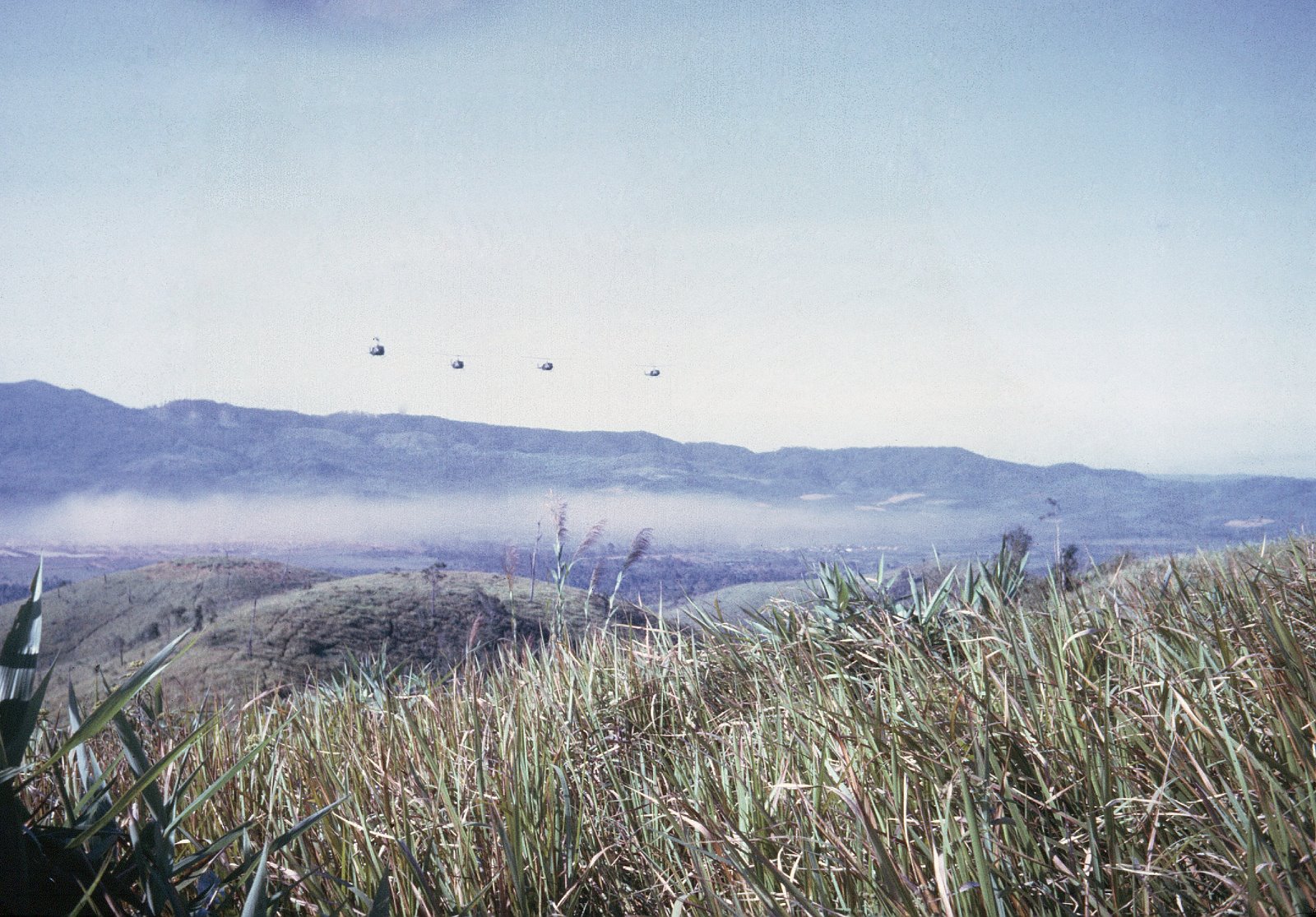
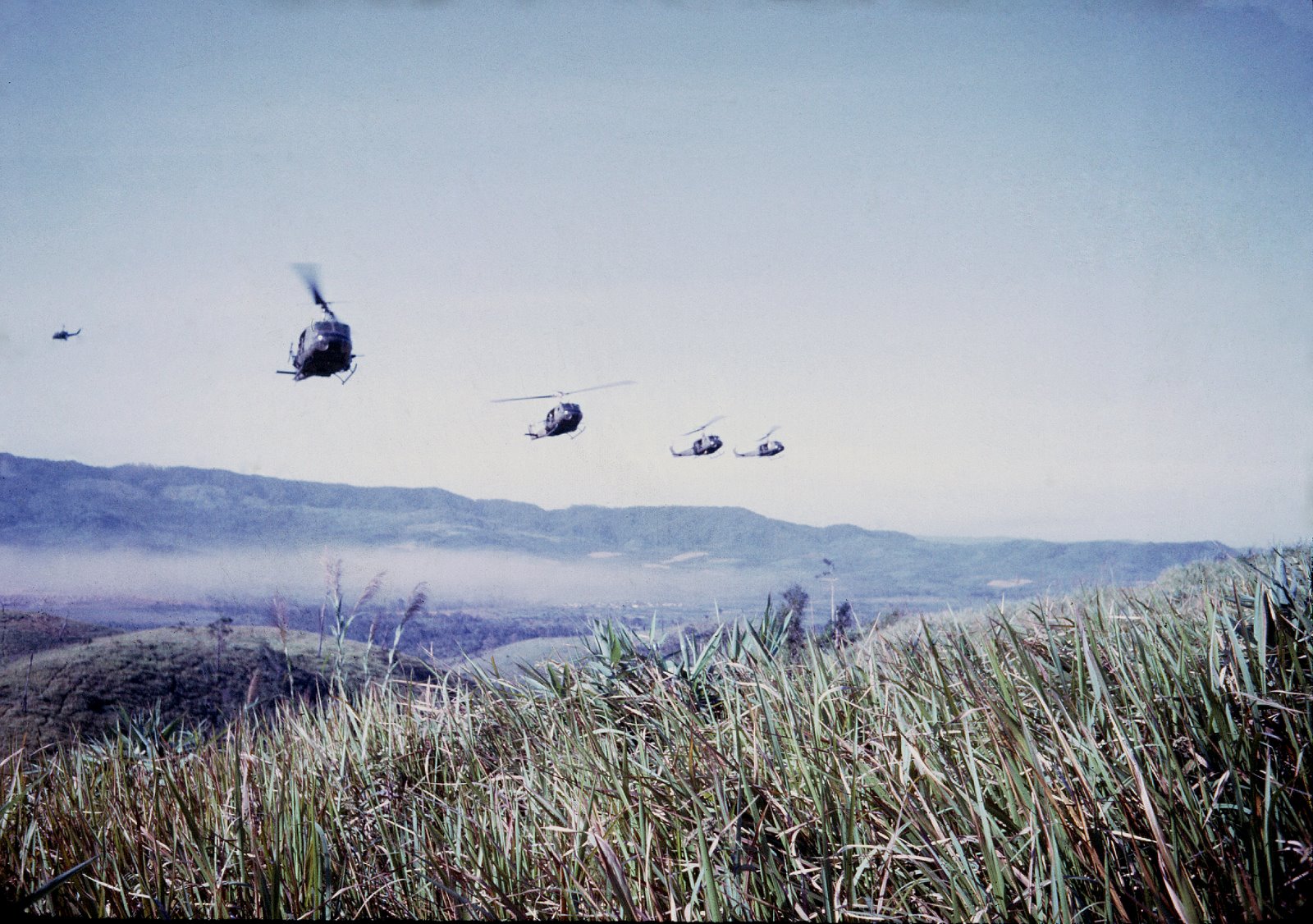
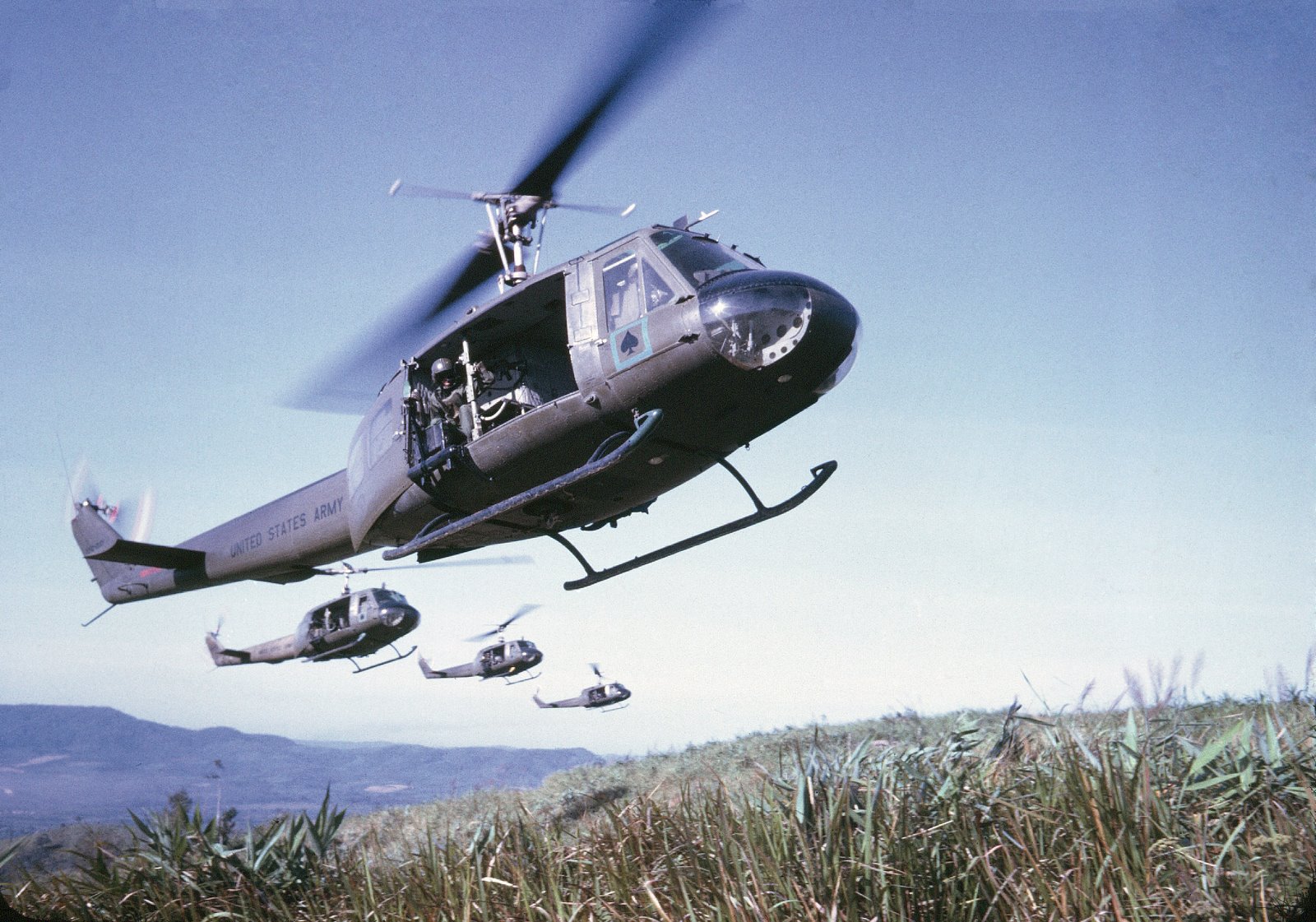
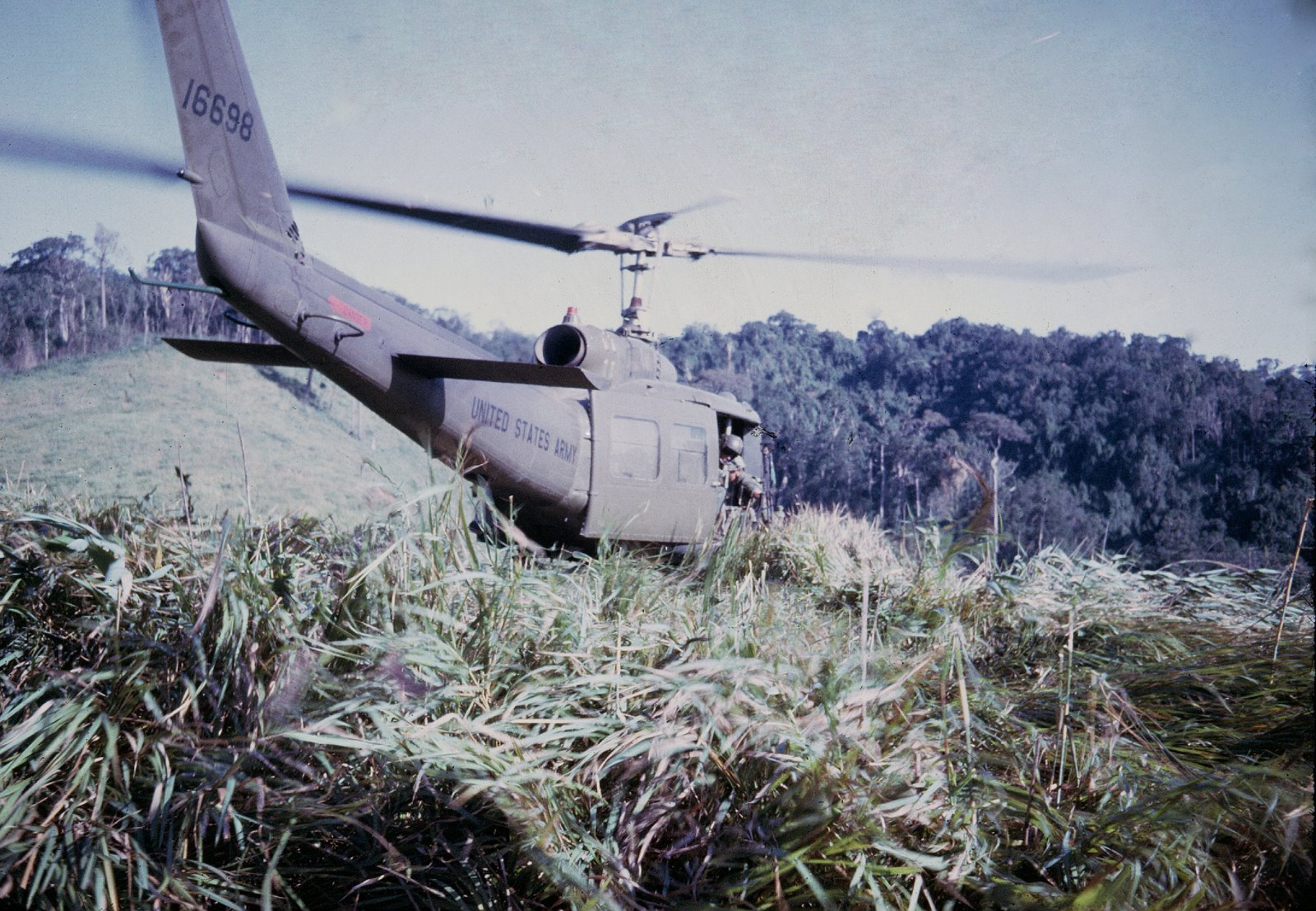
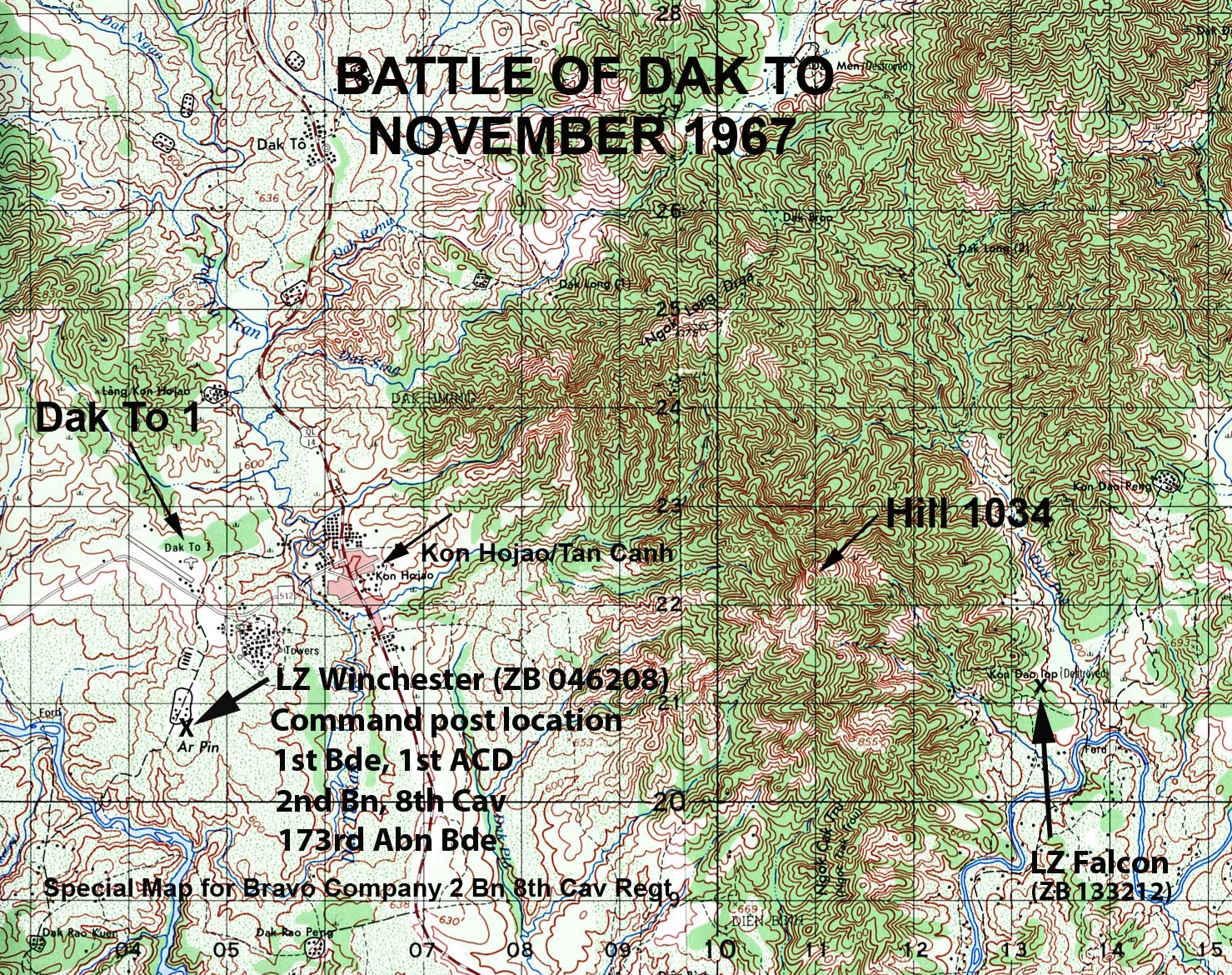
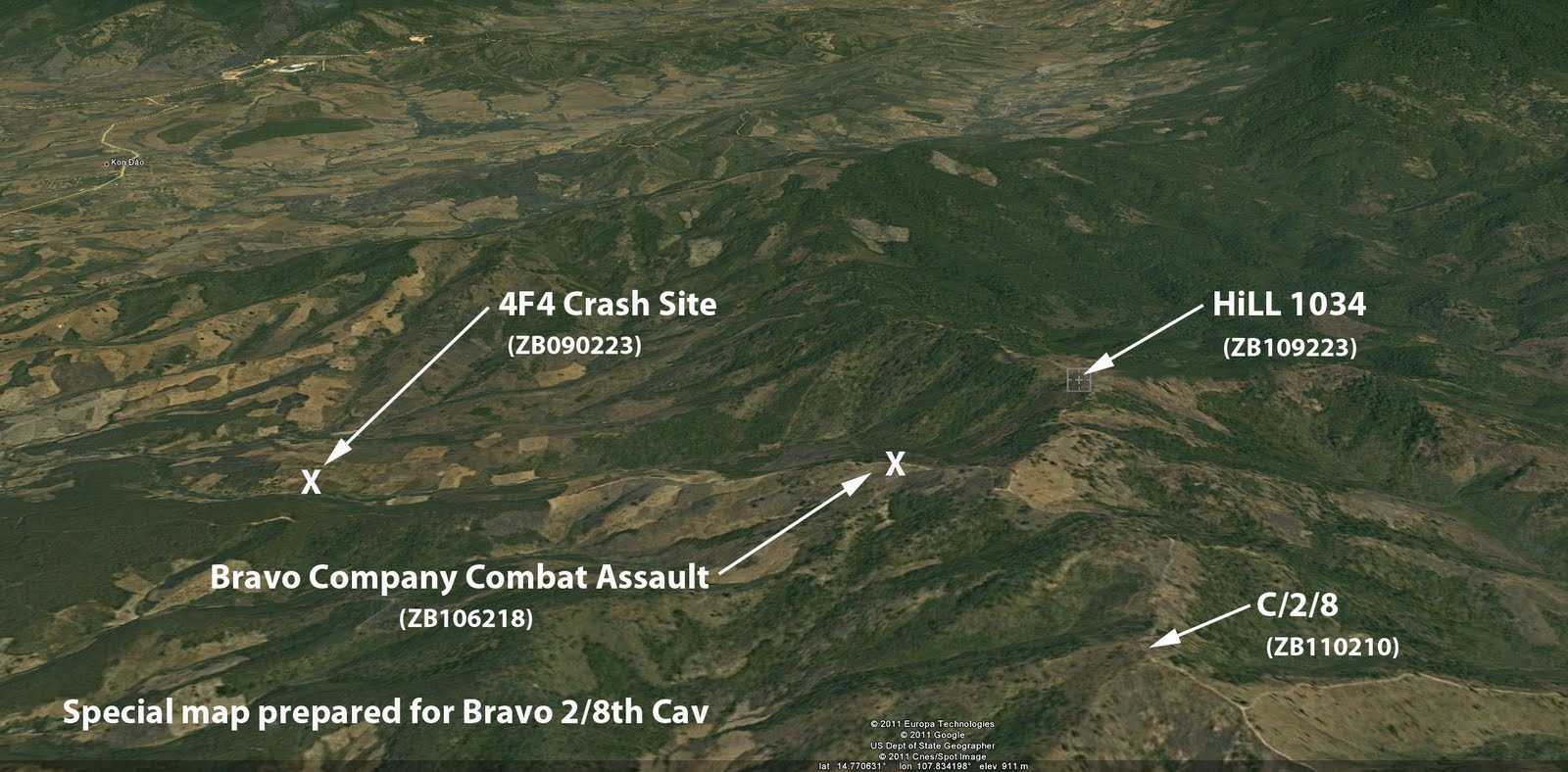
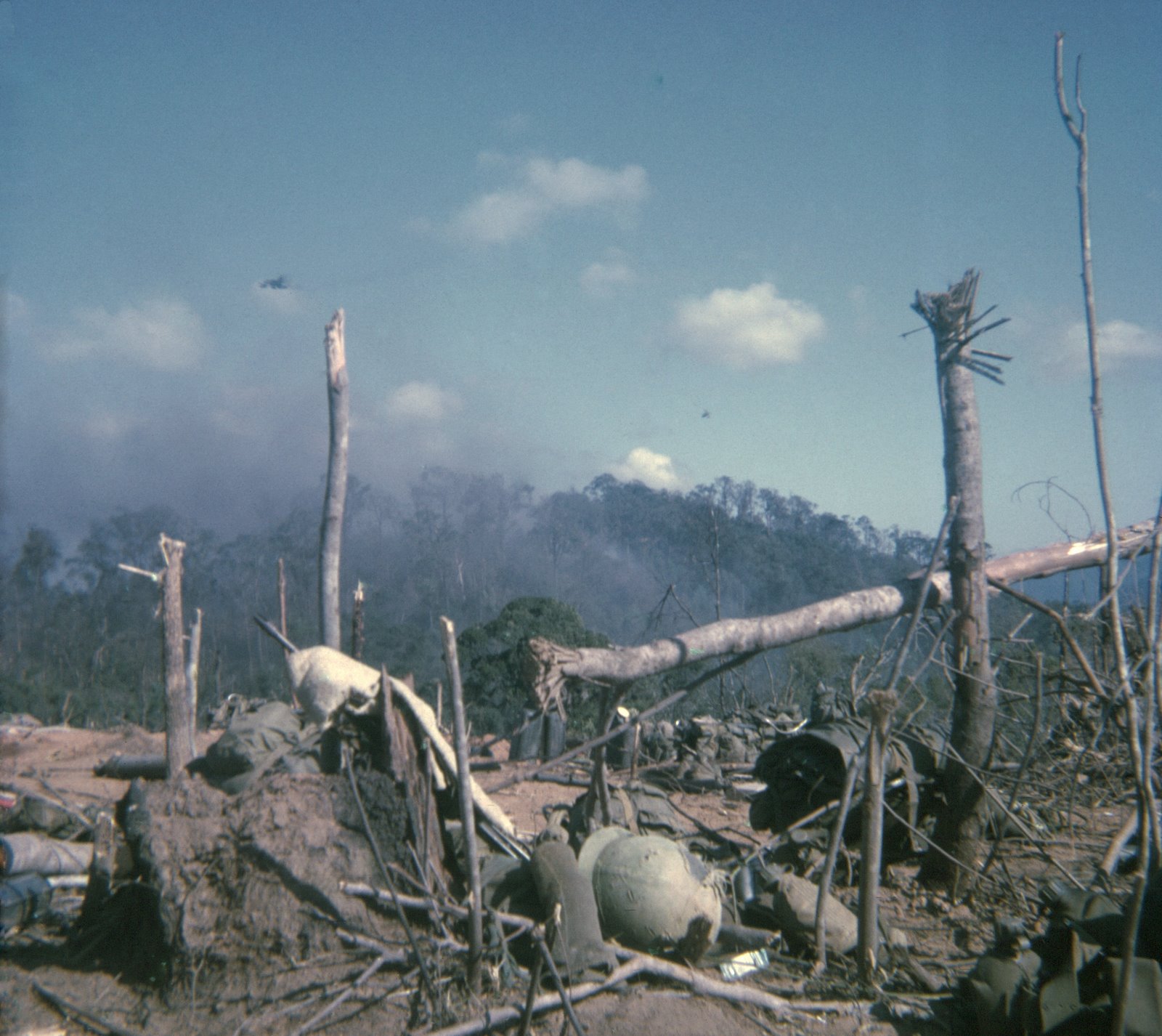
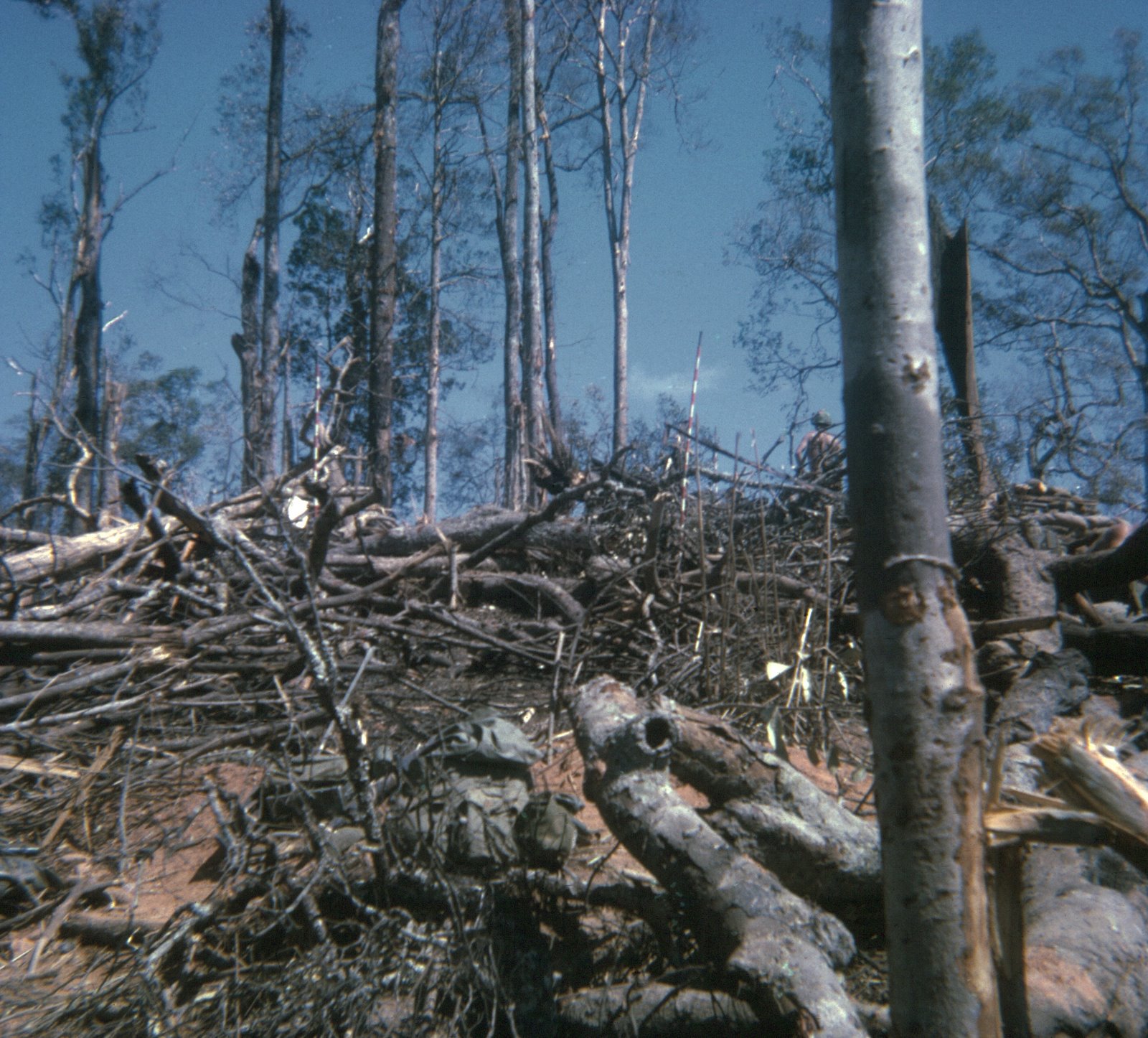
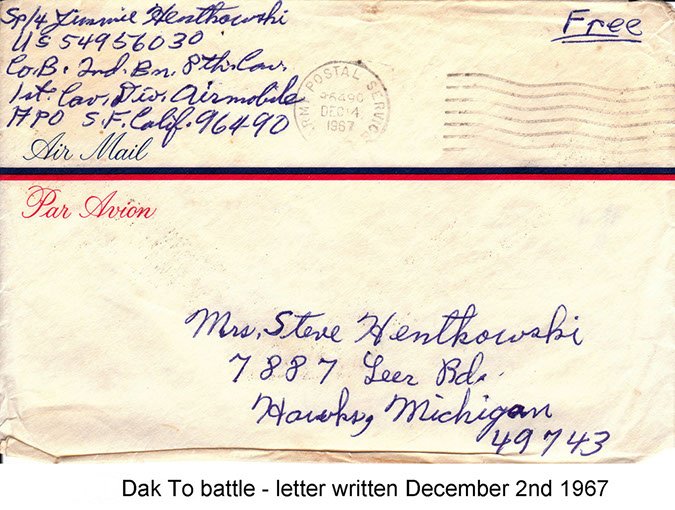
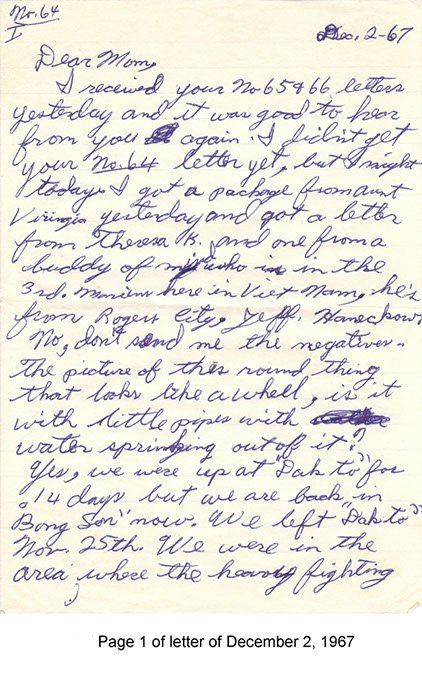
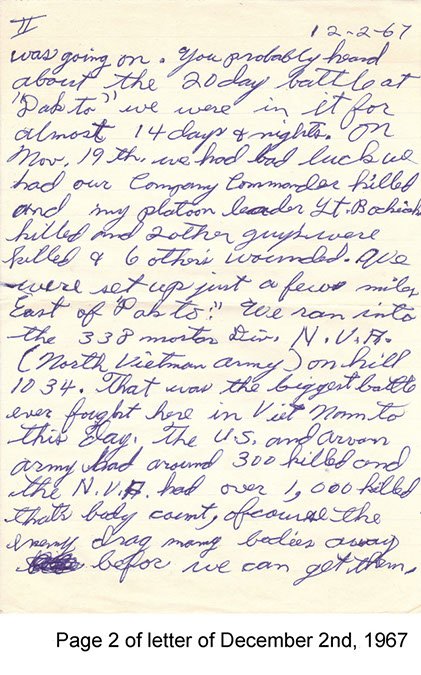
During the Battle of Dak To-Ben Het, the MACV and the First Field Force, along with the II Corp Vietnamese Command, would swell that force to a total of nineteen (19) maneuver battalions, of which as many as nine (9) battalions would be committed at a time in the field. We airlifted elements of the 42nd Inf. Regmt, 47th Inf. Regmt, 53rd Inf. Regmt, and the 11th, 22nd, and 23rd Battalions of the 2nd Ranger Group. In addition, we supported the 2nd, 4th and 5th Battalions of the 5th Special Forces Mike Strike Force (B-55). They also added two more Cavalry Squadrons. The artillery batteries expanded to a total of 41 tubes of 105 mm, 155 mm, and 175 mm guns.
The Battle
The 1st Battalion of the 92nd Artillery moved a 155 battery to Dak To on May 4, 1969.
The day I arrived, the area in the immediate vicinity of Dak To was quiet, while the siege of Ben Het was ongoing. We immediately began planning for the defense of the Dak To and Tan Cahn area. The first move the Vietnamese commander made was to insert two Civilian Irregular Defense Group (CIDG) companies, 4th Battalion Mike Strike Force, onto the old Fire Support Base (FSB)29, in an effort to control the high ground above Dak To. While the insertion was relatively routine, the south Vietnamese force was immediately counter-attacked by the NVA. The next day we had to execute a “Tactical Emergency” extraction of the two companies and their many dead and wounded. An Avenger gunship and several slicks received combat damage and one Ghost Rider Huey (63-08838) was lost due to combat damage. One crewman was wounded, but the others survived. This was a harbinger of things to come.
When I first arrived at Dak To, I found a billet with officers of the 299th Engineer Battalion. The officers slept in a typical “hooch” in Vietnam that was a rectangular wood framed structure. The hooch had a concrete floor, wood siding with sand bags stacked 42” high around the perimeter, screened windows, and a sheet metal roof. This worked fine until May 9th when the North Vietnamese 40th Artillery Regiment began shelling the compound daily with 82 mm mortars, 75-mm recoilless rifle rounds, and 122 mm rockets. During the next few weeks, hundreds of rounds would fall, causing both death and destruction. We quickly moved into an underground bunker that had adequate overhead protection, except that experience would show that it was structurally not adequate for the 122 mm rockets.
During the day on May 10, the rockets, mortars, and recoilless rifle fire continued to rain on Dak To. The same was occurring at Ben Het. Late in the day, the Special Forces Commander at Ben Het and the Artillery Commander decided that the NVA would execute the anticipated ground assault on Ben Het the next day, May 11, and declared a “Tactical Emergency”. Along with the declaration, they requested an emergency resupply of critical artillery ammunition to Ben Het. Since the only means of resupply to the camp, surrounded by NVA, was by air, the order was given to me. This meant that I had to contact the 52nd Aviation Battalion at Camp Holloway and request a flying crane and gunship escort. The mission would be executed after dark. After the mission was confirmed, I met with LTC Thompson, Commander of the 1st of the 92nd and the Commander of the CFSCC. I informed him, based on the known enemy positions and situation what the maximum load would be, the drop site location, and the route in and out of Ben Het. I also demanded that the artillery lay down a pattern of fire that would keep the heads of the enemy down during the ammunition delivery. The Colonel was not happy having an aviation Lieutenant telling him how the do his job and he let me know. I responded by reminding him that an $8 million aircraft and the lives of three aviators were at stake. The aircraft arrived well after dark. The pilot picked up the sling load and immediately dropped it. The load exceeded the maximum weight I had given to the Colonel. The load was adjusted and again picked by the flying crane. At this point the pilot reported that he had just experienced an electrical failure in the cockpit, had lost his instrument panel lights, and could not continue with the mission. I notified Camp Holloway, and they dispatched a second crane. While the crane was enroute, the Ben Het Camp Commander called the crane pilots and told them that they had changed their mind, and that they did not need the additional ammunition. I called my Battalion Operations. It is a major mistake to call a tactical emergency when none exists. The issue reverberated between MACV, my Battalion, and Artillery Hill in Pleiku. This ended up being a major problem between LTC Thompson and myself, and it would not be the last time we locked horns.
On May 11, Ben Het, FSB 6, and Dak To, all received incoming enemy artillery fire, but no ground assault took place at Ben Het. Shortly after night fall, DakTo began receiving intense mortar fire throughout the compound. Then ground fire erupted on the south and west sides of the perimeter. We were all ordered to the perimeter or to fighting positions. I was sent to the south side of the perimeter. The NVA were probing the entire compound’s perimeter. We detected movement to our front, and all began spraying the jungle with rifle (M-14s) and machine-gun fire. It was then that we got news that the NVA had penetrated the wire on the southwest side, and that there were sappers in the compound. The sappers ran through the area throwing grenades and satchel charges under equipment, in tents, and into bunkers. Since everyone was on the perimeter and defensive lines, no one was killed in the explosions. The sappers, six in all, ended up in a mess hall. The engineers in that sector eliminated them with hand grenades. Within thirty minutes Air Forces planes showed up and began dropping million-candle-power flares that illuminated the area like it was daylight. Shadow, an Air Force C-119, showed up and the crew began saturating the jungle surrounding the camp with mini-gun fire and 40 mm grenades. It was the first time I had seen mini-gun fire from the ground at night. Awesome! The NVA began fading into the jungle. The remainder of the night was spent in restless anticipation of another assault.
Due to the relentless bombardment of the DakTo compound, it became very dangerous for the helicopter crews to remain near their aircraft between missions. They often hid in bunkers or in the “rat hole”, a 48-inch diameter culvert near the parking apron. Due to the intensity of the conflict I found it increasingly difficult to launch aircraft on missions as they came into the CFSCC. I requested and was given an assistant, WO1 Wilson, along with a jeep and radio. He became my “Mobile 1”.
The 1st of the 92nd Artillery used counter mortar radar at Dak To. These electronic units allowed the artillerymen to plot the origin of incoming mortars and rockets, and to provide coordinates for counter-fire. However, this mission required the gun crews to be on their guns during NVA bombardments. During the battle of May 11, a gun pit took a direct hit from a mortar round and a 75 mm recoilless rifle. PFC Carter was killed, and another man wounded.
The next day there seemed to be a lull in the action so I decided to get a hot meal in an engineering company mess hall located near the command bunker. I left the command bunker and was half way to the mess hall when I heard the characteristic swoosh of an NVA rocket. I dove into a nearby fox hole (fighting position) and covered up. The first round landed close by. A couple seconds later an engineer enlisted person (private) jumped in on top of me. He looked started when he saw my lieutenant’s bars and started to leave. I grabbed him by the arm and pulled him back into the hole. I looked at him and said, “Stay right were you are until the shelling stops”. The kid seemed uncomfortable about being in a fox hole with an officer.
The daily shelling continued. Two days later, a 122 mm rocket hit within the gun pit of a 155 mm howitzer, and the explosion killed four and wounded eleven. A very bad day.
The 1st and 4th Battalions of the 42nd ARVN Infantry Regiment remained deployed in the field near DakTo hamlet and Can Than, but no units were sent to help defend Dak To. On May 14 four Avenger gunships provided direct support to the units in contact. Avenger 66-15245 took several hits to the right side of the aircraft and one crewman was wounded. The Avengers were credited with 20 NVA KBA (killed by air).
When the artillery units were over committed, helicopter guns ships were used to assault fixed bunker complexes. On May 17, an Avenger gun team neutralized a fixed position, and they were credited with two NVA KBA.
On May 20, an Avenger gun team was launched from Dak To in response to a request for aerial fire support. The request come from a unit in contact with NVA forces in the vicinity of FSB 6, south of Dak To. The Fire Team Lead was WO1 Gillis and his wing was WO1 Greysneck. As they were climbing out of Dak To airfield, with a full fuel load and ordinance, Avenger 66-00508 experienced engine failure. The crash site was on a steep hillside that was covered in triple-canopy jungle. Once again, the ARVN were nowhere to be found and they offered no help. I had to request Pathfinders from our Battalion at Camp Holloway. It was a long anxious wait, almost an hour, before the team could mobilize from Pleiku. Once they arrived, they had to repel down through the jungle canopy to get to the aircraft and crew. They reported that the co-pitot, WO1 Haire, and the Crew Chief, SP4 Randall, were dead, and that WO1 Gilles and his gunner were badly injured. It took even more time to move them to a location where they could be extracted. Major Lincoln, the 189th AHC Commander, flew to Dak To and personally escorted the dead back to Pleiku. WO1 Gillis was medical evacuated to Japan. The war never stopped, it went on 24/7. While we were awaiting word on Avenger 508, another rocket attack occurred. SP4 Donovan Fluharty, an engineer with the 299th CEB, was reading his mail next to a bunker when a 122 mm rocket landed next to him. He was killed instantly.
I seldom saw the engineering officers because they were always doing engineering assignments, or they were on perimeter guard duty. Within the first two weeks one of the second lieutenants was on a mine clearing detail on the road between Dak To and Ben Het, Route 512, when the detail was ambushed. He was shot through the thigh with an AK 47 round, and he was subsequently medically evacuated to the 71st Medical Evacuation Hospital. I never saw him again.
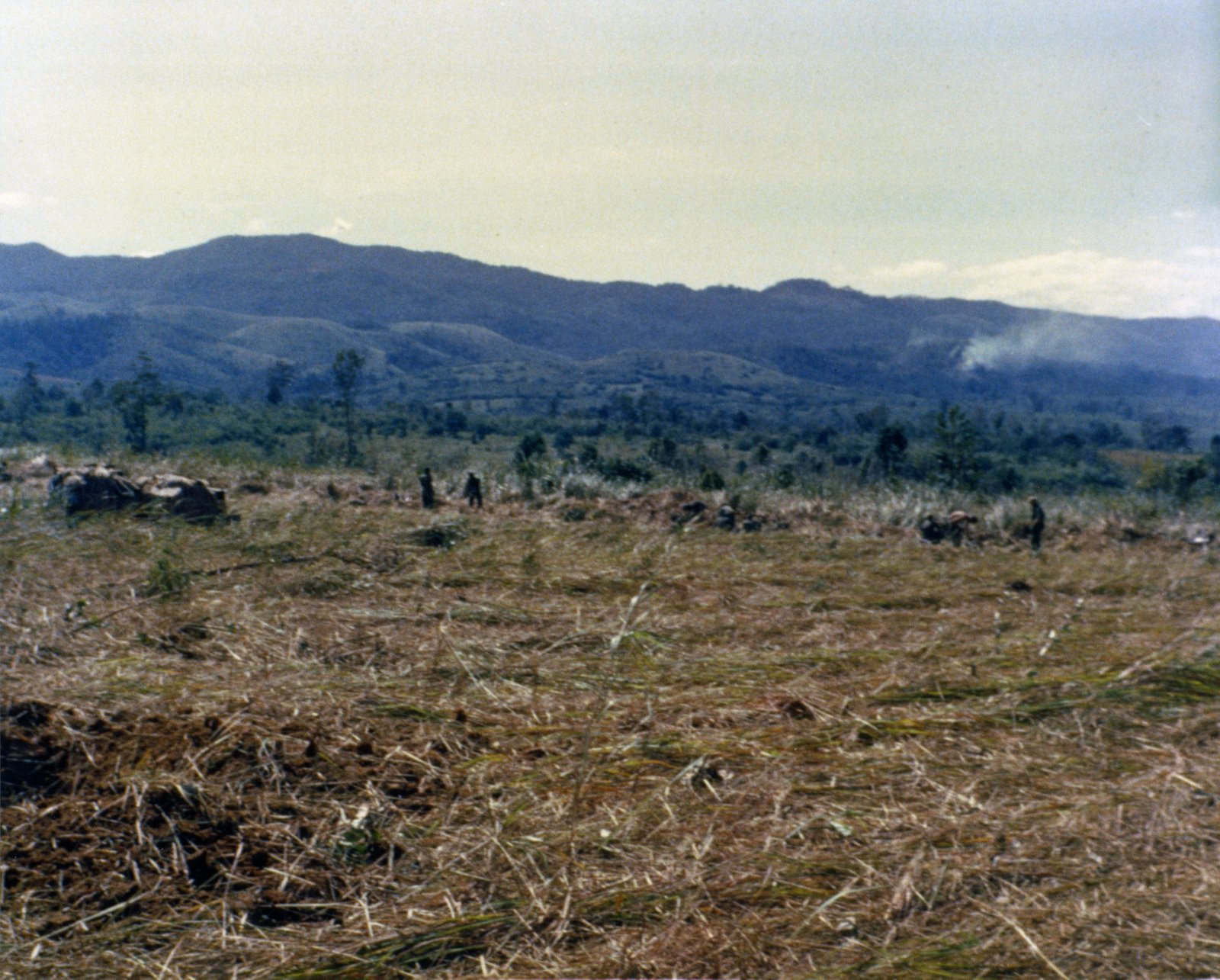
The next day, May 21, elements of the ARVN 2nd Ranger Group began arriving by C-30 cargo aircraft. We were all extremely nervous while the aircraft were on the ground; all the while expecting 122 mm rockets to begin flying. Colonel Lien had decided that the protection of Dak To required that he hold the high ground south of Dak To. That meant a combat assault onto the old fire base known as FSB 34, on Rocket Ridge. This was the same location at which the CIDG unit was mauled back on May 6-7, and the combat assault during which we lost a helicopter.
That evening, all the staff members of the CFSCC and the American advisors for the ARVN unit met in the command bunker. We all knew that this was an old, abandoned fire base, and that many bunkers remained intact. We also knew that the NVA had had two weeks, since the last failed mission, to reinforce and enlarge those bunkers. We decided we would use a three-phased approach to prepare the landing zone for an insertion. First, we scheduled twenty Air Force fighter-bombers to each drop two, five-hundred pound bombs on the site. Second, two artillery batteries, one using 155 mm and the other using 175 mm, would bombard the site for twenty minutes. Third, we would use helicopter gunships to prep the site and address any movement before the troop-carrying slicks would arrive. It seemed like a good, thoroughly thought-out plan.
After the meeting broke up, I approached the American Advisor for the ARVN Battalion, a Lieutenant Colonel. First, I told him that I was having a lot of trouble communicating with the Vietnamese. When the fighting started, they got excited and they would only speak in Vietnamese. I told him I wanted two Pathfinders from our battalion on the first aircraft in the LZ. They would control the remainder of the combat assault. Second, I reminded him of his unit’s responsibility for any downed aircraft and its crew. I was obviously being very forceful with a superior officer. He suddenly looked right at me and said, “Lieutenant, back off”. He said, “I know what my responsibility is”. He reached down and pulled up the pant leg of his right leg, revealing a massive scar on his calf. He then said, “During my first tour, this happened. It was a helicopter pilot that saved my life. I’ll do my best to take care of your people”. All I could say was, “Thank you sir for understanding”. We shock hands and I wished him luck.
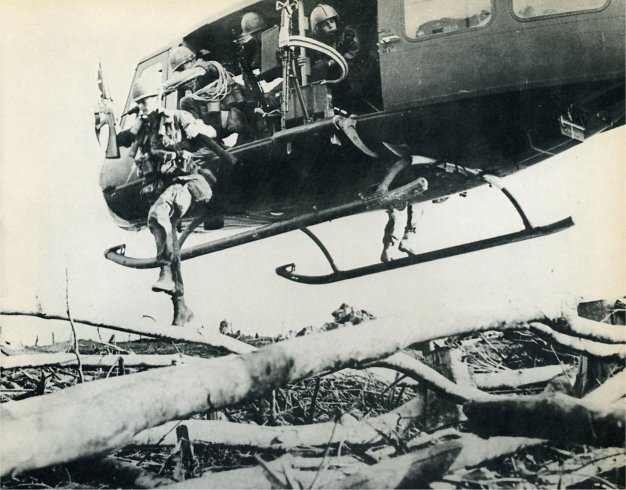
The next morning the appointed time arrived. Six Ghost Rider slicks and two Avenger gunships would make the initial assault. I watched as the fighter bombers began pulverizing the LZ. I could see the mountain peak from Dak To. When they finished, the artillery bombardment began. The gunships and slicks departed the airfield laden with ARVN troops. I went inside the command bunker to listen to the radio. I heard the Avengers begin their first pass on the target area. Then the command was given by Avenger Lead, “It’s all yours Flight Lead”. The Ghost Rider lead was Capt. Jim Maniford. Then there was a long silence. Suddenly, the silence was pierced, “Receiving fire, receiving fire. Co-pilot’s been hit”. The aircraft commander radioed that he was returning to Dak To with wounded crew.
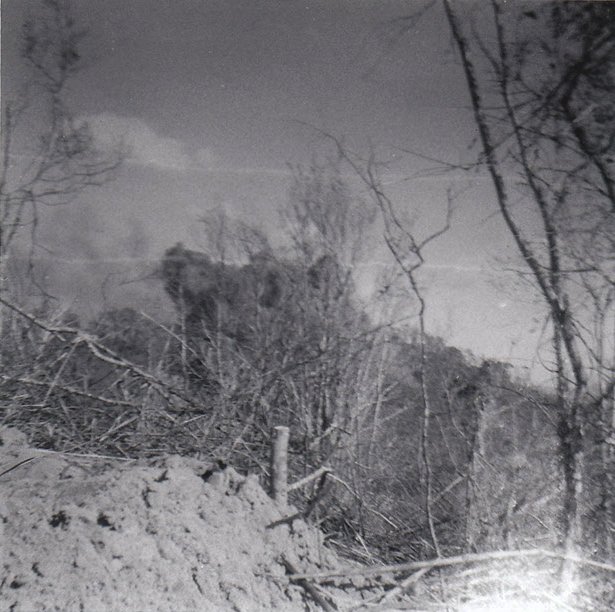
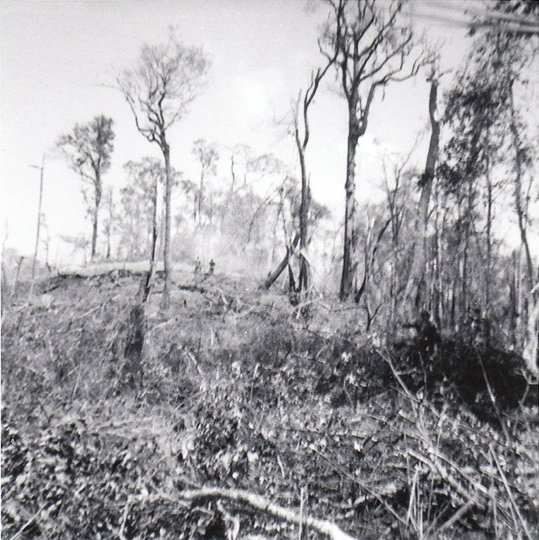
I left the command bunker and ran down the paved walkway leading to the runway. Rocket Ridge, site of the combat assault, was visible from the DakTo airfield. In a few minutes the slick made a rapid approach to the apron in front of the walkway. The helicopter made a some-what hard landing as it came to a stop. I saw the pilot in the left seat slumped against his shoulder straps. I opened the door and saw that his head was bowed, and he appeared unconscious. There was a large bullet hole in the left side of his visor. The back of his helmet erupted in a mushroom of shredded fiberglass. Blood dripped from the bottom of his visor into the small pouch on his bullet proof vest (chicken plate). I assumed he was dead. I looked over at Jim and asked, ”Who is it?”. He said, “Moore”. I looked over his shoulder and saw the crew chief was slumped against the transmission housing. I jumped down from the front skid, just as the medics from the engineer’s aid station arrived. I assumed that the CE was also shot. As I approached to give him aid, he suddenly regained consciousness and leaped the aircraft sobbing. He was in shock, but uninjured. WO1 Moore had a pulse when he arrived in the aid-station, but he died a short time later. It is interesting to note the WO1 Moore had requested that he change places with the aircraft commander so that he could fly from the left seat, which is not normal for a co-pilot. The aircraft may have crashed if the AC was flying from the left seat.
I quickly changed focus. I climbed up on the aircraft to inspect it for combat damage and to determine if it was flyable. The inspection did not take long. I immediately saw that bullets from an automatic weapon had hit the left side of the cockpit, and then moved up to the top of the aircraft. More than one bullet had entered the intake of the engine and damaged the first two sets of stater-vanes comprising the compression section of the engine. This aircraft wasn’t going anywhere. Frankly, I had no idea how the AC flew the aircraft from the mountain to the airfield, except that it was a major loss in elevation and mostly a reduced power glide. It explained the hard landing. I ran inside to monitor the ongoing combat assault. Four more Ghost Rider aircraft were damaged before we got enough troops on the ground to suppress the dug-in NVA and their resistance to the landing. The 52nd Aviation Battalion path finders did a superb job and saved lives.
That night was a difficult one for me. We had three aviator deaths in three days and the battle was nowhere near over. I was mentally, emotionally, and physically exhausted.
The next day, May 23, two more ARVN Battalions of the 2nd Ranger Group arrived. They were greeted by nineteen 122 mm rockets. The NVA were obviously targeting the C-130’s and the new ARVN troops. It is scary to see holes that are six-feet deep in an asphalt paved runway, and wooden structures that are turned into match sticks. As soon as these troops arrived, the Avengers and Ghost Riders began the combat assaults to place them in three different landing zones. During a two-day period, we moved 1,234 ARVN. Unfortunately, they immediately got into heavy contact with an NVA Regiment. Late in the day of the 25th, a Two-star General arrived from MACV. He immediately demanded that he be advised as to what exactly was going on in the field. After the briefing, he turned to his advisors and said that starting at daylight the next morning that all the troops in the field were to be extracted, as soon as possible.
At 0300 hours on May 26th, MACV declared a “Tactical Emergency” and ordered all available aircraft from the 52nd Aviation Battalion to report to Dak To to participate in the ordered extraction. At that time, we had five maneuver battalions and three independent companies in the field, totaling more than 2,000 men. I got on the land line and told our operation’s officer that I need help! The Company Commander, Major Lincoln, called back and said that he would be at Dak To at daylight. He would serve as an Aerial Command and Control (C&C) and he would help direct aircraft to accomplish the mission. I tried to get some sleep, knowing that it was going to be a long day, but that was impossible.
Before daylight we were up and awaiting the first aircraft. During the last few days the monsoon season had intensified, and the mornings were often overcast, with fog and drizzle. This had delayed the arrival of aircraft until 9:00 am or later. This morning was clear.
Major Lincoln arrived at first light with eight Ghost Riders and four Avenger gunships. The 189th AHC immediately began extracting one of the battalions that had been inserted the day before. They were in heavy contact and the slicks had to brave significant ground fire as they rescued the ARVN. The Avenger guns were instrumental in suppressing the enemy fire. As this extraction progressed, more slicks began arriving from the other three Assault Helicopter Companies of the Battalion. I directed them to the location of the next unit to be extracted with orders to contact Major Lincoln for specific instructions. By 09:00 hours I had thirty slicks in the air. Along with them, three CH-47 Chinooks from the 179th Medium-Lift Company arrived. I used those aircraft to ferry the troops from Dak To to Kontum. We did not want these troops to left at Dak To, and subsequently become targets of the NVA rockets. Two Chinooks carried able-bodied troops and one carried just wounded and dead. The wounded were first taken to Kontum, until that facility became overwhelmed. Then we shifted to transporting them to Pleiku. By the end of the day we had transported more than 350 casualties. At 1500 hours all known troops had been removed from the field and aircraft started departing from the area.
At 1520 hours, a Notice to Airmen (NTA) came up on the emergency frequency. The notice was to vacate the area immediately, or to get on the ground. Within minutes, the ridge south of Dak To erupted in massive, dark-grey clouds and the ground began to shake. We were witnessing flight after flight of B-52 bombers delivering their goods. Next, the area to the west began to erupt and to rumble. The bombers were targeting the areas around the last location of each of the units we extracted. B-52’s had been diverted from Cambodia, Laos, and North Vietnam, to deliver this crushing blow to the NVA. Charlie was paying a very heavy price. I finally understood the General’s orders and his unspoken plan. Cheers went up as the bombing continued.
Our celebration did not last long. While the NVA infantry regiments had taken a beating, the NVA 40th Artillery Regiment kept up its assault on Dak To and Ben Het. Since they had moved in close to the camps to fire their weapons, they were not subject to the B-52 strikes. On the evening of May 28, at 1728, the night’s first 122 mm rocket landed at Dak To. That was quickly followed by eleven more. One of those rockets hit the command bunker of the 15th Light Equipment Company of the 299th CBE Battalion. As luck would have it, a group of thirty men had gathered in the bunker for the nightly briefing as the Ready Reaction Force for the perimeter defense. The rocket landed behind the blast shield and directly in the opening to the bunker. The result was nine dead and nineteen wounded. Included in the dead was the Company Commander, 1st LT Koch, the Company First Sergeant, a Staff Sergeant, and the Company clerk.
Two days later, on May 30, a helicopter carrying the 299th CEB Commander, LTC Howard, landed in the compound. More than a few were shocked also to see Four-star General Creighton Abrams, MACV Commanding General, step out of the helicopter with his entourage. The general had come to congratulate the ARVN for their defense of Dak To and he was shocked that only Americans were at the base. That afternoon the Avengers once again saved the ARVN’s bacon by killing numerous NVA that were assaulting their position.
It was clear at this point that the NVA had carefully planned their operation and constructed field fortifications that would draw the ARVN into bloody ground battles. It became obvious that Col. Lien, Commander of the 24th STZ, had no intent of going head to head with the NVA in the field. He used his maneuver battalions to locate and fix the NVA positions. He then called upon American air power, artillery, and helicopter gunships to destroy the enemy. During June, the NVA changed tactics and again concentrated on isolating Ben Het and destroying it through attrition. The NVA put considerable resources into blocking Route 14 between Kontum and Cahn Tan, and Route 512 between Cahn Tan, Dak To, and Ben Het.
During the first week of June, Col. Lien ordered the 3rd Battalion of the 47th ARVN Infantry Regiment, and the 4th Battalion of the Mike Strike Force back into the field. This time they would sweep the area along Route 512 between Dak To and Ben Het in an attempt to dislodge the NVA blocking and ambushing units along the road. The total units available to Col. Lien now totaled 15,600 men.
On June 4, the NVA mortar and recoilless rifle shelling again took its toll. Two artillerymen of Battery A of the 1st/92nd Artillery were killed at Dak To. FSB 6 was also hit with 75 mm recoilless rifle rounds.
Throughout the Battle of Dak To, the men of the 299th CEB courageously defended the compound and airfield. In addition, the unit fearlessly ventured outside the compound to continue their mission as engineers. Their job was to maintain Route 512, i.e., clear mines, repair bridges, fill in bomb craters, and clear obstructions constructed by the NVA.
June 7 did not start well, and it would end even worse. It would be a day both I and the men of the 299th CEB would not forget. At 0100 in the morning, the NVA began a barrage of small arms fire, machine-gun fire, fifty-nine rounds of mortar, and fifteen rounds of B-40 RPG’s. Five engineers were wounded in the ensuing fight. In spite of the danger, at 0700, D Company of the 299th left the compound to conduct mine sweeping of Route 512 west toward Ben Het.
About an hour later the NVA struck. The sharp crack of AK 47s and the whoosh of a B-40 RPG erupted from the foliage lining the road. Two engineers fell dead. Several others fell, withering in pain. The others dove off the road seeking cover. The small ARVN squad that was to provide security for the mine sweepers turned and ran away. Those that were still able returned fire with their M-14 rifles. The call for help came back to Dak To. A Quick Reaction Force quickly assembled. Two Dusters, two five-ton trucks full of men, and a dump truck mounted with 50-caliber machine-guns headed out of the gate. When they arrived at the ambush site, the NVA continued to put up a fight. Several more engineer were wounded. I sent a helicopter to the site to retrieve the wounded, but it was shot up, and had to depart, struggling to make it back to Dak To before crashing. I was inspecting the helicopter when the QRF returned to the DakTo airfield. I saw the wounded as they were carried on stretchers to the Aid Station. One black soldier had a bullet hole in his chest and he appeared to be dead. Others were clearly in pain and shock. Engineers ran to the Aid Station to check on their friends. I saw one leave with tears running down his face as he came running out of the aid station sobbing. A few minutes later I saw a medic come out of aid station with blood on his hands and clothes. His face showed extreme anguish. In a tone of deep frustration and pain he exclaimed, “He was shot in the neck. He was bleeding badly. I stuck my fingers into the mangled flesh of his neck to find the bleeding artery. I COULDN’T FIND IT! He bled to dead as I watched”. It was difficult to see such suffering. The engineers that gathered were all extremely upset by the ARVN failure to help protect their Americans buddies and friends. The strain of continuous combat, daily shellfire, and growing casualties could clearly be seen on the faces and the reactions of these men.
Col. Lien increased the pressure on the NVA by committing the 1st and 3rd Battalions of his 53rd Infantry Regiment. Two more Cavalry Squadrons where brought forward to begin clearing Route 512.
Two days later, on June 9th, A Battery of the 1st/92nd, at Dak To, again took casualties. Nine men were wounded when a 75 mm recoilless rifle round hit in the gun pit during a fire mission.
While I have detailed many combat assaults, and major engagements, the Ghost Rider and Avenger helicopters reported to Dak To daily. All the units in the field needed support and resupply continuously. Without food, water, ammunitions and replacement equipment, they could not continue their mission. The terrain, the weather, and the enemy made these missions extremely dangerous. Acts of courage and heroism occurred daily, to the point where it became routine. It was anything but common-place. Too many acts of valor went unrecognized. Even inside the compound WO1 Wilson valiantly operated from Mobile 1 to launch aircraft on their missions while dodging incoming almost daily.
On June 13, the Avenger gunships responded to an urgent request for close-in fire support. The mission resulted in a reported 19 NVA KBA. But the battle to re-open the road to Ben Het continued. On June 16, I assigned a light-fire-team of Cobra gunships from the 361st Escort Company to a mission in support of a Vietnamese Cavalry Squadron that was working Route 512. During a close-in fire mission one of the cobras was shot down and both pilots were killed. The pilots were CWO Mark D. Clutfelter and WO1 Michael A. Mahowold. Due to intense enemy action in the area, and the failure of the ARVN to help, their bodies could not be recovered for several days.
There were two aspects to the South Vietnamese relief of Ben Het. One was to get supplies to the Special Forces Camp at Ben Het by road convoy. The second was to clear North Vietnamese forces from the surrounding hills. Evidently, Col. Lien did not use all his forces for the relief of Ben Het, diverting many of them to holding open lines of communication between Kontum and Dak To, and mopping up other points in his area of operation.
In mid-June the South Vietnamese succeeded in getting a road convoy into Ben Het. But for more than a week after that, NVA ambushes and mines prevented further success. ARVN officers admitted to losing 27 vehicles. The road to Ben Het was littered with the carcasses of burnt-out trucks and armored vehicles.
On June 21, a combat assault occurred to place an ARVN Battalion on the ground 3 miles Southeast of Ben Het. Eight Ghost Rider slicks and two Avenger gunships inserted over 800 troops of the 4th Mike Strike Force Battalion. The NVA challenged the operation with heavy small-arms fire and mortars. Ground fire damaged two aircraft, but the crews escaped injury.
For the remainder of June, the men of the 299th CEB continued to take casualties. Nearly every day the base was hit by rockets and mortars; sappers probed the perimeter almost every night. The mine-sweep teams continually ran into ambushes. Company D’s team was particularly hard hit again on June 23, east of Ben Het, near FSB 13. Again, the ARVN security force fled as soon as the firing started. A QRF was sent from Dak To, but it too was ambushed. A second QRF and air support by the Avenger gunships, had to be called in before the enemy broke contact and pulled out. Three engineers died and twenty-one were wounded.
This was not a good day for the artillery batteries either. A Battery, at Dak To, took a direct hit from a 75 mm recoilless rifle that landed in its powder magazine. The resultant explosion destroyed 350 cannisters of white bag powder, and five men were wounded. Later the same day four more artillerymen were wounded during a mortar barrage.
Another convoy reached Ben Het on June 24th. Again, the effort required a tough operation. The 1st Battalion of the ARVN 42nd Regiment provided the bulk of the convoy force and fought a half-day battle against ambushes just over half-way between Dak To and Ben Het. The ARVN admitted to five dead and fifteen wounded. They claimed to have killed 105 NVA. The NVA 40th Artillery Regiment responded by hitting Ben Het with 195 rounds of mortar and recoilless rifle fire.
To reinforce the road clearing operation, five Ghost Rider slicks and two Avenger guns inserted 1100 ARVN Rangers into an LZ nine miles west of Dak To on June 28th. Two slicks were damaged by small arms and mortars. One slick had 96 fragment holes from a mortar round that made a near direct hit. The combined forces of the four battalions recently inserted began working along both sides of Route 512 and Route 579 to Ben Het. Two more battalions cleared the area outside the perimeter. The next day, the NVA bombardment at Ben Het fell to just 53 rounds. Ten shells fell on July 1 when another convoy arrived at the camp. Not a single bullet was fired at the latest convoy.
On July 2, the battlefield fell silent as the NVA broke contact and moved, in mass, back across the border of Laos and into its sanctuary in Base Area 209. The current Battle for Dak To and Ben Het had ended. I left Dak To the following day and returned to Camp Holloway. My tour, as an Aviation Liaison Officer and as a Defender of Dak To, had ended. However, I, and the 66th NVA Infantry Regiment and the 40th Artillery Regiment, would meet again in September-October 1969 during the Battle for Bu Prang-Duc Lap-Bam Me Thout.
The ARVN claimed the victory, but it is clear that that would not have happened without the over-whelming support of American air power, artillery, engineer, and helicopter units. During the two-month period between May 1-June 30, 1969, artillery units fired more than 150,000 rounds, the Air Force flew 1100 sorties of Forward Air Control directed Tactical Air Strikes, 533 combat sky spots (Spooky and Shadow), and 142 B-52 strikes, totaling 18,000 tons of munitions.
Without the courage and bravery shown by the men of the 189th Assault Helicopter Company and the men of the 52nd Aviation Battalion the South Vietnamese would have lost Ben Het, Dak To and Kontum in 1969 rather than in 1975 when they were called upon to do the heavy lifting themselves.
Both the 1st of the 92nd Artillery Battalion and the 299th Combat Engineer Battalion were awarded the Valorous Unit Citation for their participation in the Battle of Dak To-Ben Het 1969.
My Company Commander recommended me for the Bronze Star Medal for my service at DakTo, but it was down-graded to the Army Commendation Medal. Few of the pilots and air crewmen of the 189th AHC received the recognition that they deserved.
189th AHC