Monday, September 1, 2025

 Battle of Dak To-Ben Het 1969

Nguồn: Battle of Dak To-Ben Het 1969

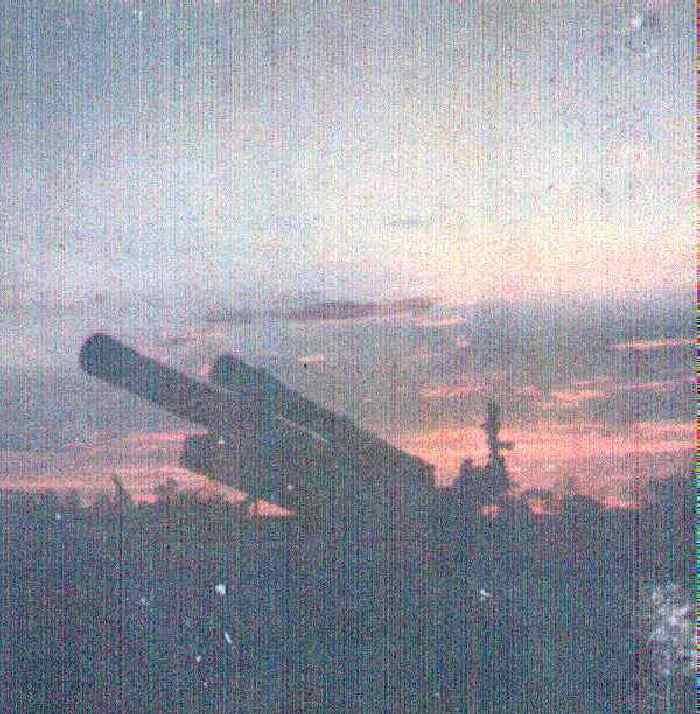
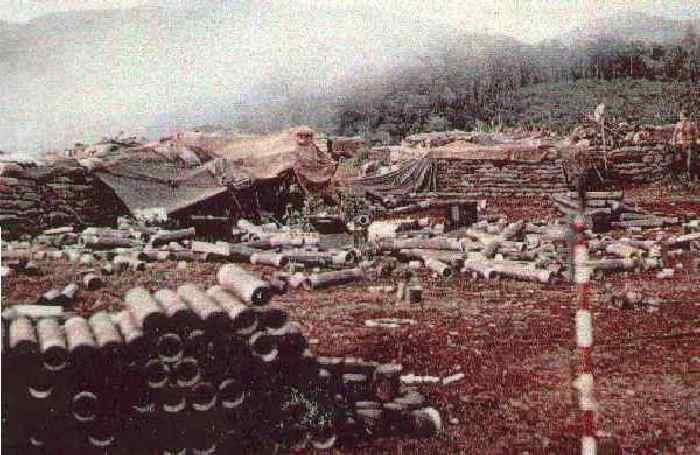
During the Battle of Dak To-Ben Het, the MACV and the First Field Force, along with the II Corp Vietnamese Command, would swell that force to a total of nineteen (19) maneuver battalions, of which as many as nine (9) battalions would be committed at a time in the field. We airlifted elements of the 42nd Inf. Regmt, 47th Inf. Regmt, 53rd Inf. Regmt, and the 11th, 22nd, and 23rd Battalions of the 2nd Ranger Group. In addition, we supported the 2nd, 4th and 5th Battalions of the 5th Special Forces Mike Strike Force (B-55). They also added two more Cavalry Squadrons. The artillery batteries expanded to a total of 41 tubes of 105 mm, 155 mm, and 175 mm guns.

The Battle

The 1st Battalion of the 92nd Artillery moved a 155 battery to Dak To on May 4, 1969.

The day I arrived, the area in the immediate vicinity of Dak To was quiet, while the siege of Ben Het was ongoing. We immediately began planning for the defense of the Dak To and Tan Cahn area. The first move the Vietnamese commander made was to insert two Civilian Irregular Defense Group (CIDG) companies, 4th Battalion Mike Strike Force, onto the old Fire Support Base (FSB)29, in an effort to control the high ground above Dak To. While the insertion was relatively routine, the south Vietnamese force was immediately counter-attacked by the NVA. The next day we had to execute a “Tactical Emergency” extraction of the two companies and their many dead and wounded. An Avenger gunship and several slicks received combat damage and one Ghost Rider Huey (63-08838) was lost due to combat damage. One crewman was wounded, but the others survived. This was a harbinger of things to come.

When I first arrived at Dak To, I found a billet with officers of the 299th Engineer Battalion. The officers slept in a typical “hooch” in Vietnam that was a rectangular wood framed structure. The hooch had a concrete floor, wood siding with sand bags stacked 42” high around the perimeter, screened windows, and a sheet metal roof. This worked fine until May 9th when the North Vietnamese 40th Artillery Regiment began shelling the compound daily with 82 mm mortars, 75-mm recoilless rifle rounds, and 122 mm rockets. During the next few weeks, hundreds of rounds would fall, causing both death and destruction. We quickly moved into an underground bunker that had adequate overhead protection, except that experience would show that it was structurally not adequate for the 122 mm rockets.

During the day on May 10, the rockets, mortars, and recoilless rifle fire continued to rain on Dak To. The same was occurring at Ben Het. Late in the day, the Special Forces Commander at Ben Het and the Artillery Commander decided that the NVA would execute the anticipated ground assault on Ben Het the next day, May 11, and declared a “Tactical Emergency”. Along with the declaration, they requested an emergency resupply of critical artillery ammunition to Ben Het. Since the only means of resupply to the camp, surrounded by NVA, was by air, the order was given to me. This meant that I had to contact the 52nd Aviation Battalion at Camp Holloway and request a flying crane and gunship escort. The mission would be executed after dark. After the mission was confirmed, I met with LTC Thompson, Commander of the 1st of the 92nd and the Commander of the CFSCC. I informed him, based on the known enemy positions and situation what the maximum load would be, the drop site location, and the route in and out of Ben Het. I also demanded that the artillery lay down a pattern of fire that would keep the heads of the enemy down during the ammunition delivery. The Colonel was not happy having an aviation Lieutenant telling him how the do his job and he let me know. I responded by reminding him that an $8 million aircraft and the lives of three aviators were at stake. The aircraft arrived well after dark. The pilot picked up the sling load and immediately dropped it. The load exceeded the maximum weight I had given to the Colonel. The load was adjusted and again picked by the flying crane. At this point the pilot reported that he had just experienced an electrical failure in the cockpit, had lost his instrument panel lights, and could not continue with the mission. I notified Camp Holloway, and they dispatched a second crane. While the crane was enroute, the Ben Het Camp Commander called the crane pilots and told them that they had changed their mind, and that they did not need the additional ammunition. I called my Battalion Operations. It is a major mistake to call a tactical emergency when none exists. The issue reverberated between MACV, my Battalion, and Artillery Hill in Pleiku. This ended up being a major problem between LTC Thompson and myself, and it would not be the last time we locked horns.

On May 11, Ben Het, FSB 6, and Dak To, all received incoming enemy artillery fire, but no ground assault took place at Ben Het. Shortly after night fall, DakTo began receiving intense mortar fire throughout the compound. Then ground fire erupted on the south and west sides of the perimeter. We were all ordered to the perimeter or to fighting positions. I was sent to the south side of the perimeter. The NVA were probing the entire compound’s perimeter. We detected movement to our front, and all began spraying the jungle with rifle (M-14s) and machine-gun fire. It was then that we got news that the NVA had penetrated the wire on the southwest side, and that there were sappers in the compound. The sappers ran through the area throwing grenades and satchel charges under equipment, in tents, and into bunkers. Since everyone was on the perimeter and defensive lines, no one was killed in the explosions. The sappers, six in all, ended up in a mess hall. The engineers in that sector eliminated them with hand grenades. Within thirty minutes Air Forces planes showed up and began dropping million-candle-power flares that illuminated the area like it was daylight. Shadow, an Air Force C-119, showed up and the crew began saturating the jungle surrounding the camp with mini-gun fire and 40 mm grenades. It was the first time I had seen mini-gun fire from the ground at night. Awesome! The NVA began fading into the jungle. The remainder of the night was spent in restless anticipation of another assault.

Due to the relentless bombardment of the DakTo compound, it became very dangerous for the helicopter crews to remain near their aircraft between missions. They often hid in bunkers or in the “rat hole”, a 48-inch diameter culvert near the parking apron. Due to the intensity of the conflict I found it increasingly difficult to launch aircraft on missions as they came into the CFSCC. I requested and was given an assistant, WO1 Wilson, along with a jeep and radio. He became my “Mobile 1”.

The 1st of the 92nd Artillery used counter mortar radar at Dak To. These electronic units allowed the artillerymen to plot the origin of incoming mortars and rockets, and to provide coordinates for counter-fire. However, this mission required the gun crews to be on their guns during NVA bombardments. During the battle of May 11, a gun pit took a direct hit from a mortar round and a 75 mm recoilless rifle. PFC Carter was killed, and another man wounded.

The next day there seemed to be a lull in the action so I decided to get a hot meal in an engineering company mess hall located near the command bunker. I left the command bunker and was half way to the mess hall when I heard the characteristic swoosh of an NVA rocket. I dove into a nearby fox hole (fighting position) and covered up. The first round landed close by. A couple seconds later an engineer enlisted person (private) jumped in on top of me. He looked started when he saw my lieutenant’s bars and started to leave. I grabbed him by the arm and pulled him back into the hole. I looked at him and said, “Stay right were you are until the shelling stops”. The kid seemed uncomfortable about being in a fox hole with an officer.

The daily shelling continued. Two days later, a 122 mm rocket hit within the gun pit of a 155 mm howitzer, and the explosion killed four and wounded eleven. A very bad day.

The 1st and 4th Battalions of the 42nd ARVN Infantry Regiment remained deployed in the field near DakTo hamlet and Can Than, but no units were sent to help defend Dak To. On May 14 four Avenger gunships provided direct support to the units in contact. Avenger 66-15245 took several hits to the right side of the aircraft and one crewman was wounded. The Avengers were credited with 20 NVA KBA (killed by air).

When the artillery units were over committed, helicopter guns ships were used to assault fixed bunker complexes. On May 17, an Avenger gun team neutralized a fixed position, and they were credited with two NVA KBA.

On May 20, an Avenger gun team was launched from Dak To in response to a request for aerial fire support. The request come from a unit in contact with NVA forces in the vicinity of FSB 6, south of Dak To. The Fire Team Lead was WO1 Gillis and his wing was WO1 Greysneck. As they were climbing out of Dak To airfield, with a full fuel load and ordinance, Avenger 66-00508 experienced engine failure. The crash site was on a steep hillside that was covered in triple-canopy jungle. Once again, the ARVN were nowhere to be found and they offered no help. I had to request Pathfinders from our Battalion at Camp Holloway. It was a long anxious wait, almost an hour, before the team could mobilize from Pleiku. Once they arrived, they had to repel down through the jungle canopy to get to the aircraft and crew. They reported that the co-pitot, WO1 Haire, and the Crew Chief, SP4 Randall, were dead, and that WO1 Gilles and his gunner were badly injured. It took even more time to move them to a location where they could be extracted. Major Lincoln, the 189th AHC Commander, flew to Dak To and personally escorted the dead back to Pleiku. WO1 Gillis was medical evacuated to Japan. The war never stopped, it went on 24/7. While we were awaiting word on Avenger 508, another rocket attack occurred. SP4 Donovan Fluharty, an engineer with the 299th CEB, was reading his mail next to a bunker when a 122 mm rocket landed next to him. He was killed instantly.

I seldom saw the engineering officers because they were always doing engineering assignments, or they were on perimeter guard duty. Within the first two weeks one of the second lieutenants was on a mine clearing detail on the road between Dak To and Ben Het, Route 512, when the detail was ambushed. He was shot through the thigh with an AK 47 round, and he was subsequently medically evacuated to the 71st Medical Evacuation Hospital. I never saw him again.

The next day, May 21, elements of the ARVN 2nd Ranger Group began arriving by C-30 cargo aircraft. We were all extremely nervous while the aircraft were on the ground; all the while expecting 122 mm rockets to begin flying. Colonel Lien had decided that the protection of Dak To required that he hold the high ground south of Dak To. That meant a combat assault onto the old fire base known as FSB 34, on Rocket Ridge. This was the same location at which the CIDG unit was mauled back on May 6-7, and the combat assault during which we lost a helicopter.

That evening, all the staff members of the CFSCC and the American advisors for the ARVN unit met in the command bunker. We all knew that this was an old, abandoned fire base, and that many bunkers remained intact. We also knew that the NVA had had two weeks, since the last failed mission, to reinforce and enlarge those bunkers. We decided we would use a three-phased approach to prepare the landing zone for an insertion. First, we scheduled twenty Air Force fighter-bombers to each drop two, five-hundred pound bombs on the site. Second, two artillery batteries, one using 155 mm and the other using 175 mm, would bombard the site for twenty minutes. Third, we would use helicopter gunships to prep the site and address any movement before the troop-carrying slicks would arrive. It seemed like a good, thoroughly thought-out plan.

After the meeting broke up, I approached the American Advisor for the ARVN Battalion, a Lieutenant Colonel. First, I told him that I was having a lot of trouble communicating with the Vietnamese. When the fighting started, they got excited and they would only speak in Vietnamese. I told him I wanted two Pathfinders from our battalion on the first aircraft in the LZ. They would control the remainder of the combat assault. Second, I reminded him of his unit’s responsibility for any downed aircraft and its crew. I was obviously being very forceful with a superior officer. He suddenly looked right at me and said, “Lieutenant, back off”. He said, “I know what my responsibility is”. He reached down and pulled up the pant leg of his right leg, revealing a massive scar on his calf. He then said, “During my first tour, this happened. It was a helicopter pilot that saved my life. I’ll do my best to take care of your people”. All I could say was, “Thank you sir for understanding”. We shock hands and I wished him luck.

The next morning the appointed time arrived. Six Ghost Rider slicks and two Avenger gunships would make the initial assault. I watched as the fighter bombers began pulverizing the LZ. I could see the mountain peak from Dak To. When they finished, the artillery bombardment began. The gunships and slicks departed the airfield laden with ARVN troops. I went inside the command bunker to listen to the radio. I heard the Avengers begin their first pass on the target area. Then the command was given by Avenger Lead, “It’s all yours Flight Lead”. The Ghost Rider lead was Capt. Jim Maniford. Then there was a long silence. Suddenly, the silence was pierced, “Receiving fire, receiving fire. Co-pilot’s been hit”. The aircraft commander radioed that he was returning to Dak To with wounded crew.

I left the command bunker and ran down the paved walkway leading to the runway. Rocket Ridge, site of the combat assault, was visible from the DakTo airfield. In a few minutes the slick made a rapid approach to the apron in front of the walkway. The helicopter made a some-what hard landing as it came to a stop. I saw the pilot in the left seat slumped against his shoulder straps. I opened the door and saw that his head was bowed, and he appeared unconscious. There was a large bullet hole in the left side of his visor. The back of his helmet erupted in a mushroom of shredded fiberglass. Blood dripped from the bottom of his visor into the small pouch on his bullet proof vest (chicken plate). I assumed he was dead. I looked over at Jim and asked, ”Who is it?”. He said, “Moore”. I looked over his shoulder and saw the crew chief was slumped against the transmission housing. I jumped down from the front skid, just as the medics from the engineer’s aid station arrived. I assumed that the CE was also shot. As I approached to give him aid, he suddenly regained consciousness and leaped the aircraft sobbing. He was in shock, but uninjured. WO1 Moore had a pulse when he arrived in the aid-station, but he died a short time later. It is interesting to note the WO1 Moore had requested that he change places with the aircraft commander so that he could fly from the left seat, which is not normal for a co-pilot. The aircraft may have crashed if the AC was flying from the left seat.

I quickly changed focus. I climbed up on the aircraft to inspect it for combat damage and to determine if it was flyable. The inspection did not take long. I immediately saw that bullets from an automatic weapon had hit the left side of the cockpit, and then moved up to the top of the aircraft. More than one bullet had entered the intake of the engine and damaged the first two sets of stater-vanes comprising the compression section of the engine. This aircraft wasn’t going anywhere. Frankly, I had no idea how the AC flew the aircraft from the mountain to the airfield, except that it was a major loss in elevation and mostly a reduced power glide. It explained the hard landing. I ran inside to monitor the ongoing combat assault. Four more Ghost Rider aircraft were damaged before we got enough troops on the ground to suppress the dug-in NVA and their resistance to the landing. The 52nd Aviation Battalion path finders did a superb job and saved lives.

That night was a difficult one for me. We had three aviator deaths in three days and the battle was nowhere near over. I was mentally, emotionally, and physically exhausted.

The next day, May 23, two more ARVN Battalions of the 2nd Ranger Group arrived. They were greeted by nineteen 122 mm rockets. The NVA were obviously targeting the C-130’s and the new ARVN troops. It is scary to see holes that are six-feet deep in an asphalt paved runway, and wooden structures that are turned into match sticks. As soon as these troops arrived, the Avengers and Ghost Riders began the combat assaults to place them in three different landing zones. During a two-day period, we moved 1,234 ARVN. Unfortunately, they immediately got into heavy contact with an NVA Regiment. Late in the day of the 25th, a Two-star General arrived from MACV. He immediately demanded that he be advised as to what exactly was going on in the field. After the briefing, he turned to his advisors and said that starting at daylight the next morning that all the troops in the field were to be extracted, as soon as possible.

At 0300 hours on May 26th, MACV declared a “Tactical Emergency” and ordered all available aircraft from the 52nd Aviation Battalion to report to Dak To to participate in the ordered extraction. At that time, we had five maneuver battalions and three independent companies in the field, totaling more than 2,000 men. I got on the land line and told our operation’s officer that I need help! The Company Commander, Major Lincoln, called back and said that he would be at Dak To at daylight. He would serve as an Aerial Command and Control (C&C) and he would help direct aircraft to accomplish the mission. I tried to get some sleep, knowing that it was going to be a long day, but that was impossible.

Before daylight we were up and awaiting the first aircraft. During the last few days the monsoon season had intensified, and the mornings were often overcast, with fog and drizzle. This had delayed the arrival of aircraft until 9:00 am or later. This morning was clear.

Major Lincoln arrived at first light with eight Ghost Riders and four Avenger gunships. The 189th AHC immediately began extracting one of the battalions that had been inserted the day before. They were in heavy contact and the slicks had to brave significant ground fire as they rescued the ARVN. The Avenger guns were instrumental in suppressing the enemy fire. As this extraction progressed, more slicks began arriving from the other three Assault Helicopter Companies of the Battalion. I directed them to the location of the next unit to be extracted with orders to contact Major Lincoln for specific instructions. By 09:00 hours I had thirty slicks in the air. Along with them, three CH-47 Chinooks from the 179th Medium-Lift Company arrived. I used those aircraft to ferry the troops from Dak To to Kontum. We did not want these troops to left at Dak To, and subsequently become targets of the NVA rockets. Two Chinooks carried able-bodied troops and one carried just wounded and dead. The wounded were first taken to Kontum, until that facility became overwhelmed. Then we shifted to transporting them to Pleiku. By the end of the day we had transported more than 350 casualties. At 1500 hours all known troops had been removed from the field and aircraft started departing from the area.

At 1520 hours, a Notice to Airmen (NTA) came up on the emergency frequency. The notice was to vacate the area immediately, or to get on the ground. Within minutes, the ridge south of Dak To erupted in massive, dark-grey clouds and the ground began to shake. We were witnessing flight after flight of B-52 bombers delivering their goods. Next, the area to the west began to erupt and to rumble. The bombers were targeting the areas around the last location of each of the units we extracted. B-52’s had been diverted from Cambodia, Laos, and North Vietnam, to deliver this crushing blow to the NVA. Charlie was paying a very heavy price. I finally understood the General’s orders and his unspoken plan. Cheers went up as the bombing continued.

Our celebration did not last long. While the NVA infantry regiments had taken a beating, the NVA 40th Artillery Regiment kept up its assault on Dak To and Ben Het. Since they had moved in close to the camps to fire their weapons, they were not subject to the B-52 strikes. On the evening of May 28, at 1728, the night’s first 122 mm rocket landed at Dak To. That was quickly followed by eleven more. One of those rockets hit the command bunker of the 15th Light Equipment Company of the 299th CBE Battalion. As luck would have it, a group of thirty men had gathered in the bunker for the nightly briefing as the Ready Reaction Force for the perimeter defense. The rocket landed behind the blast shield and directly in the opening to the bunker. The result was nine dead and nineteen wounded. Included in the dead was the Company Commander, 1st LT Koch, the Company First Sergeant, a Staff Sergeant, and the Company clerk.

Two days later, on May 30, a helicopter carrying the 299th CEB Commander, LTC Howard, landed in the compound. More than a few were shocked also to see Four-star General Creighton Abrams, MACV Commanding General, step out of the helicopter with his entourage. The general had come to congratulate the ARVN for their defense of Dak To and he was shocked that only Americans were at the base. That afternoon the Avengers once again saved the ARVN’s bacon by killing numerous NVA that were assaulting their position.

It was clear at this point that the NVA had carefully planned their operation and constructed field fortifications that would draw the ARVN into bloody ground battles. It became obvious that Col. Lien, Commander of the 24th STZ, had no intent of going head to head with the NVA in the field. He used his maneuver battalions to locate and fix the NVA positions. He then called upon American air power, artillery, and helicopter gunships to destroy the enemy. During June, the NVA changed tactics and again concentrated on isolating Ben Het and destroying it through attrition. The NVA put considerable resources into blocking Route 14 between Kontum and Cahn Tan, and Route 512 between Cahn Tan, Dak To, and Ben Het.

During the first week of June, Col. Lien ordered the 3rd Battalion of the 47th ARVN Infantry Regiment, and the 4th Battalion of the Mike Strike Force back into the field. This time they would sweep the area along Route 512 between Dak To and Ben Het in an attempt to dislodge the NVA blocking and ambushing units along the road. The total units available to Col. Lien now totaled 15,600 men.

On June 4, the NVA mortar and recoilless rifle shelling again took its toll. Two artillerymen of Battery A of the 1st/92nd Artillery were killed at Dak To. FSB 6 was also hit with 75 mm recoilless rifle rounds.

Throughout the Battle of Dak To, the men of the 299th CEB courageously defended the compound and airfield. In addition, the unit fearlessly ventured outside the compound to continue their mission as engineers. Their job was to maintain Route 512, i.e., clear mines, repair bridges, fill in bomb craters, and clear obstructions constructed by the NVA.

June 7 did not start well, and it would end even worse. It would be a day both I and the men of the 299th CEB would not forget. At 0100 in the morning, the NVA began a barrage of small arms fire, machine-gun fire, fifty-nine rounds of mortar, and fifteen rounds of B-40 RPG’s. Five engineers were wounded in the ensuing fight. In spite of the danger, at 0700, D Company of the 299th left the compound to conduct mine sweeping of Route 512 west toward Ben Het.

About an hour later the NVA struck. The sharp crack of AK 47s and the whoosh of a B-40 RPG erupted from the foliage lining the road. Two engineers fell dead. Several others fell, withering in pain. The others dove off the road seeking cover. The small ARVN squad that was to provide security for the mine sweepers turned and ran away. Those that were still able returned fire with their M-14 rifles. The call for help came back to Dak To. A Quick Reaction Force quickly assembled. Two Dusters, two five-ton trucks full of men, and a dump truck mounted with 50-caliber machine-guns headed out of the gate. When they arrived at the ambush site, the NVA continued to put up a fight. Several more engineer were wounded. I sent a helicopter to the site to retrieve the wounded, but it was shot up, and had to depart, struggling to make it back to Dak To before crashing. I was inspecting the helicopter when the QRF returned to the DakTo airfield. I saw the wounded as they were carried on stretchers to the Aid Station. One black soldier had a bullet hole in his chest and he appeared to be dead. Others were clearly in pain and shock. Engineers ran to the Aid Station to check on their friends. I saw one leave with tears running down his face as he came running out of the aid station sobbing. A few minutes later I saw a medic come out of aid station with blood on his hands and clothes. His face showed extreme anguish. In a tone of deep frustration and pain he exclaimed, “He was shot in the neck. He was bleeding badly. I stuck my fingers into the mangled flesh of his neck to find the bleeding artery. I COULDN’T FIND IT! He bled to dead as I watched”. It was difficult to see such suffering. The engineers that gathered were all extremely upset by the ARVN failure to help protect their Americans buddies and friends. The strain of continuous combat, daily shellfire, and growing casualties could clearly be seen on the faces and the reactions of these men.

Col. Lien increased the pressure on the NVA by committing the 1st and 3rd Battalions of his 53rd Infantry Regiment. Two more Cavalry Squadrons where brought forward to begin clearing Route 512.

Two days later, on June 9th, A Battery of the 1st/92nd, at Dak To, again took casualties. Nine men were wounded when a 75 mm recoilless rifle round hit in the gun pit during a fire mission.

While I have detailed many combat assaults, and major engagements, the Ghost Rider and Avenger helicopters reported to Dak To daily. All the units in the field needed support and resupply continuously. Without food, water, ammunitions and replacement equipment, they could not continue their mission. The terrain, the weather, and the enemy made these missions extremely dangerous. Acts of courage and heroism occurred daily, to the point where it became routine. It was anything but common-place. Too many acts of valor went unrecognized. Even inside the compound WO1 Wilson valiantly operated from Mobile 1 to launch aircraft on their missions while dodging incoming almost daily.

On June 13, the Avenger gunships responded to an urgent request for close-in fire support.  The mission resulted in a reported 19 NVA KBA. But the battle to re-open the road to Ben Het continued. On June 16, I assigned a light-fire-team of Cobra gunships from the 361st Escort Company to a mission in support of a Vietnamese Cavalry Squadron that was working Route 512. During a close-in fire mission one of the cobras was shot down and both pilots were killed. The pilots were CWO Mark D. Clutfelter and WO1 Michael A. Mahowold. Due to intense enemy action in the area, and the failure of the ARVN to help, their bodies could not be recovered for several days.

There were two aspects to the South Vietnamese relief of Ben Het. One was to get supplies to the Special Forces Camp at Ben Het by road convoy. The second was to clear North Vietnamese forces from the surrounding hills. Evidently, Col. Lien did not use all his forces for the relief of Ben Het, diverting many of them to holding open lines of communication between Kontum and Dak To, and mopping up other points in his area of operation.

In mid-June the South Vietnamese succeeded in getting a road convoy into Ben Het. But for more than a week after that, NVA ambushes and mines prevented further success. ARVN officers admitted to losing 27 vehicles. The road to Ben Het was littered with the carcasses of burnt-out trucks and armored vehicles.

On June 21, a combat assault occurred to place an ARVN Battalion on the ground 3 miles Southeast of Ben Het. Eight Ghost Rider slicks and two Avenger gunships inserted over 800 troops of the 4th Mike Strike Force Battalion. The NVA challenged the operation with heavy small-arms fire and mortars. Ground fire damaged two aircraft, but the crews escaped injury.

For the remainder of June, the men of the 299th CEB continued to take casualties. Nearly every day the base was hit by rockets and mortars; sappers probed the perimeter almost every night. The mine-sweep teams continually ran into ambushes. Company D’s team was particularly hard hit again on June 23, east of Ben Het, near FSB 13. Again, the ARVN security force fled as soon as the firing started. A QRF was sent from Dak To, but it too was ambushed. A second QRF and air support by the Avenger gunships, had to be called in before the enemy broke contact and pulled out. Three engineers died and twenty-one were wounded.

This was not a good day for the artillery batteries either. A Battery, at Dak To, took a direct hit from a 75 mm recoilless rifle that landed in its powder magazine. The resultant explosion destroyed 350 cannisters of white bag powder, and five men were wounded. Later the same day four more artillerymen were wounded during a mortar barrage.

Another convoy reached Ben Het on June 24th. Again, the effort required a tough operation. The 1st Battalion of the ARVN 42nd Regiment provided the bulk of the convoy force and fought a half-day battle against ambushes just over half-way between Dak To and Ben Het. The ARVN admitted to five dead and fifteen wounded. They claimed to have killed 105 NVA. The NVA 40th Artillery Regiment responded by hitting Ben Het with 195 rounds of mortar and recoilless rifle fire.

To reinforce the road clearing operation, five Ghost Rider slicks and two Avenger guns inserted 1100 ARVN Rangers into an LZ nine miles west of Dak To on June 28th. Two slicks were damaged by small arms and mortars. One slick had 96 fragment holes from a mortar round that made a near direct hit. The combined forces of the four battalions recently inserted began working along both sides of Route 512 and Route 579 to Ben Het. Two more battalions cleared the area outside the perimeter. The next day, the NVA bombardment at Ben Het fell to just 53 rounds. Ten shells fell on July 1 when another convoy arrived at the camp. Not a single bullet was fired at the latest convoy.

On July 2, the battlefield fell silent as the NVA broke contact and moved, in mass, back across the border of Laos and into its sanctuary in Base Area 209. The current Battle for Dak To and Ben Het had ended. I left Dak To the following day and returned to Camp Holloway. My tour, as an Aviation Liaison Officer and as a Defender of Dak To, had ended. However, I, and the 66th NVA Infantry Regiment and the 40th Artillery Regiment, would meet again in September-October 1969 during the Battle for Bu Prang-Duc Lap-Bam Me Thout.

The ARVN claimed the victory, but it is clear that that would not have happened without the over-whelming support of American air power, artillery, engineer, and helicopter units. During the two-month period between May 1-June 30, 1969, artillery units fired more than 150,000 rounds, the Air Force flew 1100 sorties of Forward Air Control directed Tactical Air Strikes, 533 combat sky spots (Spooky and Shadow), and 142 B-52 strikes, totaling 18,000 tons of munitions.

Without the courage and bravery shown by the men of the 189th Assault Helicopter Company and the men of the 52nd Aviation Battalion the South Vietnamese would have lost Ben Het, Dak To and Kontum in 1969 rather than in 1975 when they were called upon to do the heavy lifting themselves.

Both the 1st of the 92nd Artillery Battalion and the 299th Combat Engineer Battalion were awarded the Valorous Unit Citation for their participation in the Battle of Dak To-Ben Het 1969.

My Company Commander recommended me for the Bronze Star Medal for my service at DakTo, but it was down-graded to the Army Commendation Medal. Few of the pilots and air crewmen of the 189th AHC received the recognition that they deserved.


 

189th AHC


Sunday, August 31, 2025

Chiến dịch Wayne Grey là một chiến dịch được thực hiện bởi lữ đoàn 1, Sư đoàn Bộ binh 4 Mỹ và các lực lượng hỗ trợ, từ ngày 1 tháng 3 đến ngày 14 tháng 4 năm 1969. Mục tiêu chính của chiến dịch là cắt đứt các tuyến liên lạc và cung cấp cho các Trung đoàn Bộ binh 24 và 66 của Quân đội Nhân dân Việt Nam (PAVN) cũng như ngăn chặn họ rút lui vào Campuchia.

Mở đầu

Các tài liệu bị bắt giữ và các cuộc thẩm vấn đối với tù binh đã tiết lộ rằng vào cuối tháng Giêng đến đầu tháng Hai, Trung đoàn 66 và Trung đoàn 24 và các đơn vị của đoàn Pháo binh 40 thuộc CSBV đã di chuyển về phía bắc vào khu vực núi Chu-Mom-Ray và đã bắt đầu thực hiện các hoạt động tấn công. Trinh sát trên không đối với các căn cứ ở phía tây Trại Polei Kleng đã phát hiện ra lưu lượng xe cộ dày đặc và việc xây dựng các con đường sâu vào các núi Chu-Mom-Ray và từ biên giới Campuchia vào thung lũng Plei Trap phía đông. Việc xác nhận sự hiện diện của pháo binh và khả năng có các đơn vị thiết giáp của địch cho thấy một cuộc tấn công lớn đang được lập kế hoạch và có khả năng cao nhắm vào thị xã kontum và trại Polei Kleng.

===

Chiến dịch Wayne Grey bắt đầu vào ngày 1 tháng 3, khi đại đội (đ.đ.) A của Tiểu đoàn 3, Trung đoàn 12 Bộ binh từ Polei Mrong đã được trực thăng đổ xuống bãi đáp hay LZ Swinger (14.429°N 107.627°E). Mục tiêu của họ là bảo vệ LZ và thiết lập một vị trí pháo để đặt súng. Vị trí này sẽ được dùng để hỗ trợ các TĐ 3/12, 1/8 và 3/8 Bộ binh khi họ thực hiện các hoạt động ở Plei Trap. Trực thăng đầu tiên đã hạ cánh và đổ quân một cách an toàn. Sau khi trực thăng thứ hai bắt đầu đổ quân, họ đã bị tấn công bởi đặc công từ TĐ công binh K25B của Quân đội Nhân dân Việt Nam. Cuộc giao tranh ban đầu kéo dài hơn ba giờ trước khi quân csbv rút lui và đơn vị thuộc 1/92 Pháo binh Dã chiến đã có thể đáp xuống và thiết lập các khẩu pháo của họ. Đại đội B của 1/8 đã tấn công vào căn cứ hỏa lực (CCHL) 20 (14.492°N 107.597°E) và đại đội C của 3/8 tấn công vào Firebase Pause (14.36°N 107.655°E), sau đó là các Công ty A và C của Trung đoàn 6/29. Trung đoàn 6/29 hiện đã vào vị trí để hỗ trợ cuộc lùng sục của Lữ đoàn 1 tại Plei Trap. Vào ngày 2 tháng 3, Công ty A, 1/8 đã giành được LZ Turkey (14.474°N 107.598°E) và bắt đầu các hoạt động do thám, trong khi các Công ty C và D, 1/8 tấn công vào LZ Susan (14.49°N 107.54°E). Các công ty còn lại từ 3/8 đã được triển khai tại các LZ ở và quanh LZ Mary (14.386°N 107.578°E).

Giai đoạn I

Các hoạt động dọc theo đường Plei Trap được thực hiện bởi các Công ty A, C và D, Trung đoàn 1/8 Bộ binh. Bắt đầu từ ngày 1 tháng 3, với sự hỗ trợ của A/7-17th không kỵ, trung đoàn 1/8 đã có thể xác định và tiêu diệt các liên lạc, vật tư và phương tiện dọc theo đường Plei Trap, cũng như tái thu hồi hai khẩu lựu pháo M101 bị PAVN bắt giữ.

Trận đánh tại Khu đất Hạ cánh Brace là trận đánh lớn nhất và quan trọng nhất của chiến dịch. Nó bắt đầu vào ngày 3 tháng 3 khi Đại đội A, tiểu đoàn 3/8 Bộ binh, liên lạc với một tiểu đoàn quân PAVN tại tổng hành dinh của họ trên đỉnh một ngọn đồi (14.345°N 107.605°E). Đại đội A phải chịu nhiều thương vong trong trận đánh và buộc phải rút lui. Họ được rút ra vào ngày 4 tháng 3 sau những trận giao tranh ác liệt tại vị trí đêm của họ. Các Đại đội B và C, tiểu đoàn 3/8, đã thành công trong việc chiếm giữ ngọn đồi vào ngày 6 tháng 3.

Một firebase đã được xây dựng sau khi LZ, bây giờ được gọi là Brace, đã được bảo đảm và vào ngày 16 tháng 3, công ty C, 6/29 thuộc pháo binh đã được đặt tại đó cùng với phần còn lại của công ty A, 3/8 và tổng hành dinh 3/8.

OP Wayne Grey Di chuyển IIIOP Wayne Grey Di chuyển IIIOP Wayne Grey Di chuyển IVOP Wayne Grey Di chuyển IVĐồi 947 (14.337°N 107.604°E) đã được thành lập vào ngày 3 tháng 3 bởi công ty D, 3/8 bộ binh để chặn PAVN rút lui từ LZ Brace. Vị trí này đã bị tấn công nhiều lần giữa ngày 3 và ngày 8 tháng 3 cũng như phải đối mặt với các cuộc tấn công bằng cối và pháo binh liên tục. Công ty D đã thành công trong việc giữ ngọn đồi trước các cuộc tấn công của PAVN và đến chiều ngày 8 tháng 3, PAVN đã từ bỏ nỗ lực chiếm giữ vị trí này.Vào ngày 7 tháng 3, công ty D đã di chuyển qua đất liền đến Firebase 20 để hỗ trợ công ty B trong các cuộc tuần tra nhằm giúp một cuộc tuần tra tại đồi 1030. Các công ty A và C tiếp tục hoạt động dọc theo con đường Plei Trap.Giữa ngày 10 và 14 tháng 3, Lực lượng tác chiến Swift gồm các Công ty B và D, 3/12 cùng với một đại đội trinh sát, đã củng cố vị trí tại đồi 947. Vào ngày 11, Swift đã tiếp xúc với một công ty PAVN và rút về vòng ngoài để yêu cầu không kích B-52; họ lại tiếp tục bị bắn phá bằng đạn cối. Hôm sau, họ đã tấn công và chiếm giữ vị trí của PAVN.Vào ngày 17 tháng 3, các công ty A và C đã thành lập một căn cứ tuần tra mới từ Đồi 467 để tiến hành các cuộc tuần tra chung dọc theo các tuyến liên lạc của PAVN và ngăn chặn dòng chảy cung cấp cho pháo binh 40.[1][3]Giai đoạn IILực lượng tác chiến AlphaSau khi các công ty A và C đã xác định và tiêu diệt một lực lượng PAVN ở phía nam Đồi 467, họ đã tổ chức lại thành Lực lượng tác chiến Alpha vào ngày 17 tháng 3. Nhiệm vụ của họ là thiết lập các vị trí chặn có quy mô công ty giữa căn cứ của họ tại Đồi 467 và Firebase 20, với mục tiêu cắt đứt nguồn cung cấp và tăng viện của PAVN trong khu vực. Các thiết bị phá hủy cũng được sử dụng để làm tê liệt các hoạt động dọc theo con đường Plei Trap bằng cách biến nó thành không thể đi qua cho các phương tiện.Các hoạt động tiếp tục trong khu vực cho đến ngày 30 tháng 3, QLVNCH sử dụng súng cối và pháo binh chống lại các căn cứ hỏa lực của Sư Đoàn 4 trong khu vực và gửi truyền đơn tuyên truyền kêu gọi binh lính Hoa Kỳ đầu hàng. Lực lượng Đặc nhiệm Alpha được rút ra vào ngày 30 tháng 3. [1][3]


Núi Cu-Đôn

Cu-Don là một căn cứ nổi tiếng của QLVNCH nằm trên một sườn núi phía nam LZ Brace và bị nghi ngờ là điểm rút lui của Trung Đoàn 66 Bộ binh QLVNCH. Nhiệm vụ của Sư Đoàn 3/12 là ngăn chặn và quấy rối QLVNCH rút lui. Vào ngày 14 tháng 3, Đại đội A và C cùng với một trung đội trinh sát, tấn công vào LZ Cider (14,278°B 107,617°E) để bảo vệ nó làm căn cứ hỏa lực cho Khẩu đội B, pháo binh 6/29. Đại đội D bảo vệ LZ D-Handle (14,33°B 107,609°E) để đặt súng cối 4,2" và Đại đội B di chuyển trên đường bộ đến một căn cứ tuần tra tại YA818856 (14,328°B 107,612°E). Liên lạc mạnh mẽ được thực hiện vào ngày 18 tháng 3 khi Đại Đội D tiếp xúc với một tổ hợp boongke của QLVNCH. Liên lạc đã bị phá vỡ và pháo binh cùng cối đã được gọi đến. Ngày hôm sau, vị trí bị bao vây bởi hỏa lực pháo binh và máy bay chiến đấu cả ngày. Vào ngày 20, Đại đội D đã cố gắng tấn công các hầm hào với sự hỗ trợ của pháo binh và không quân, nhưng đã bị lực lượng phòng thủ đánh bật. Đại đội D đã phải rút về LZ D-Handle. Vào ngày 22, sau một đợt pháo kích mạnh, Đại đội D đã chiếm lấy đồi mà không gặp phải sự phản kháng nào. Vào ngày 27, Đại đội A đã có liên lạc gần LZ Cider và đã buộc phải ngắt liên lạc sau khi bị bắn cối và chịu thương vong. Họ buộc phải để lại những người bị thương của mình. Khi họ cố gắng lấy lại những người mất tích vào ngày hôm sau, họ lại bị buộc phải rút lui về LZ Cider dưới hỏa lực cối. Đại đội B đã bị tấn công tại địa điểm phục kích của họ bằng tên lửa B-40 và Đại đội D ở LZ D-Handle đã bị các đơn vị công binh tấn công, những người đã phá hủy hai hầm hào bằng hỏa lực tên lửa; cuộc tấn công cuối cùng đã bị đánh bạt bằng hỏa lực pháo binh.Vào ngày 30, Công ty A lại cố gắng tìm kiếm những người mất tích của mình. Họ đã thành công, nhưng buộc phải rút lui một lần nữa khi quân PAVN triển khai pháo cối. Công ty A rút lui và liên kết với Công ty C để đảm bảo một một vị trí an toàn cho đêm. Vị trí này sau đó đã bị đánh bom bởi nhiều cuộc không kích của B-52.Sau khi tiểu đoàn 3/12 rút lui, Tiểu đoàn 1, Trung đoàn Bộ binh 22 đã bị tấn công tại LZ Cider và YA806827 (14.302°N 107.601°E) vào ngày 2 tháng 4. Mục tiêu của họ là đảm bảo "Mục tiêu Đỏ", tổ hợp hầm mà đã buộc Công ty A, 3/12 phải rút lui. Vị trí này đã bị bao vây bởi các đợt pháo binh và hỏa lực từ máy bay trực thăng trong khi 1/22 tiếp tục trinh sát mục tiêu dưới hỏa lực mạnh. Tiểu đoàn 1/22 đã được rút về vào ngày 13 tháng 4 và phần còn lại của tiểu đoàn 3/12 vào ngày 14 tháng 4.

Hậu quảChiến dịch Wayne Grey kết thúc vào ngày 14 tháng 4. Liên đoàn 1, Sư đoàn 4 đã gây thiệt hại nặng nề cho các Trung đoàn Bộ binh 24 và 66 của PAVN và các đơn vị hỗ trợ của họ. Mặc dù PAVN đã có thể rút lui về Campuchia, chiến dịch Wayne Grey được coi là một thành công vì nó ngăn chặn được bất kỳ cuộc tấn công nào ngay lập tức vào Kontum.Vị trí của pháo bị bắt giữTheo các nhân chứng của cuộc tấn công, cụ thể là Trung úy Nolan và Đại úy Yamashita, họ tin rằng nhiệm vụ đã diễn ra ở bên kia biên giới tại Campuchia chứ không phải ở Việt Nam như báo cáo hành động sau và tọa độ bản đồ đã chỉ ra.

Họ giải thích rằng các người lính thuộc Công ty D không được cung cấp tọa độ của vùng hạ cánh hay bản đồ thông thường, mà thay vào đó là những bản đồ địa hình đen trắng cần phải có đào tạo sâu rộng để đọc. Điều này cộng với việc Công ty D phải bay lâu hơn nhiều so với thời gian bình thường cho một chuyến bay với quãng đường đó và có sự khác biệt đáng kể về địa hình, bản đồ cho biết họ đang ở trên một ngọn đồi khi thực tế thì không phải như vậy, tất cả những điều này làm một phần tăng thêm sự nghi ngờ của Nolan và Yamashita. Tám ngày sau khi Công ty D tái chiếm các khẩu pháo và khoảng giữa cuộc chiến, Bộ Tư Lệnh Không Quân Chiến Lược Hoa Kỳ bắt đầu chiến dịch ném bom bí mật chống lại Campuchia.

Tài liệu tham khảoHale, Knight (30 tháng 4, 1969). "Báo cáo Hành động Sau Chiến đấu cho Chiến dịch Wayne Grey" (PDF). ivydragoons.org. Truy cập ngày 30 tháng 8, 2020.Thompson, Lee. "Một Cuộc Chiến Trên Thung Lũng Plei Trap". bravecannons.org/. Truy cập ngày 31 tháng 8, 2020.Nolan, J.L. (1–31 tháng 3, 1969). "Đại đội 4, Công ty D, Tiểu đoàn 1, Trung đoàn Bộ binh 8, D Division, Việt Nam, tháng 11 năm 1968 – tháng 8 năm 1969 J. L. Nolan". swampfox.info. Truy cập ngày 30 tháng 8, 2020.Fisher, Dan. "30 Năm Sau: Một Bí Ẩn Việt Nam". members.tripod.com. Truy cập ngày 30 tháng 8, 2020.Hickey, Pennel (14 tháng 3, 1969). "Báo cáo Hành động Sau Chiến đấu" (PDF). ivydragoons.org. Truy cập ngày 25 tháng 8, 2020.


The Battle at Khe Gio Bridge
Location Coordinates: 164656N 1065415E (YD029563)

by
Don Wittenberger

Copyright © 1999, All Rights Reserved


The U.S. Army outpost at Khe Gio Bridge on Highway 9 near the DMZ was overrun by North Vietnamese troops on 12 March 1970. Of the 14 Americans who fought in this battle, 2 were killed, 5 wounded, and 1 captured. The ARVN garrison had 6 dead and 9 wounded. The NVA lost about 40 men.

From a tactical perspective, the attackers neither damaged the bridge nor dislodged the garrison. But the enemy’s real objective was to inflict American casualties, in the hope of hastening the U.S. withdrawal already underway in northern I Corps, and in pursuit of an overall strategy to win the war in America’s living rooms. To this end, the NVA would accept high relative losses.

In another context, the U.S. losses comprised 9% of the 33 Americans killed in Vietnam this day. The enemy profited more, without cost, from the loss of 14 men of the 25th Infantry Division in a non-hostile helicopter accident later in the day. But every loss devastated the families and communities back home and increased the cumulative effect on the U.S. populace, which was growing tired of losing sons.

The enemy’s plan was to sneak into the perimeter, pin down the defenders with rocket and mortar fire, and kill them in the bunkers with grenades and explosives. The strength of the assaulting force was in the range of 150 to 400 troops. For the 11 U.S. survivors, 4 of whom would have died if a squad leader had not sacrificed himself to save them from a grenade, it was a terrifying experience.

The U.S. casualties were:

2d Lt. Gary Bernard Scull, 30, Advance Team 3, MACV, from Harlan, Iowa, assistant advisor to the 2/2 ARVN Regiment, who by a stroke of incredible bad luck arrived at the bridge only a few hours before it was attacked. He had been in Vietnam since November 1969.

Sgt. Mitchell William Stout, 20, C Battery, 1/44 Artillery, from Lenoir City, Tennessee, who was five weeks into his second Vietnam tour, having served previously with 1st Platoon, B/2/47 (Mech), 9th Infantry Division.

Sp/4 Terry Lee Moser, 21, also of C/1/44, from Barto, Pennsylvania (a suburb of Philadelphia), who had been in Vietnam nine months and undoubtedly was looking forward to going home.

Except for Lt. Scull, the U.S. personnel were from 1/44, an Air Defense Artillery (ADA) battalion attached to 108th Artillery Group and headquartered at 3rd Marine Division’s large base (pop. 30,000) near the village of Dong Ha on Highway 1 north of Quang Tri City. Lt. Col. Richard L. Myers and Capt. Douglas Mehle were the commanding officers of 1/44 and C Battery, respectively.

After Khe Sanh was deactivated in 1967, Highway 9 beyond Camp Carroll was kept open to support operations in northwestern I Corps. Khe Gio Bridge, about 20 miles west of Dong Ha, one of 49 bridges on this road, was guarded by two dusters from C/1/44, a searchlight from G/29 (a 1/44 line battery), and 40 or so men of the 2/2 ARVN Regiment. Getting there wasn’t easy because the road went through rugged country, had to be swept for mines, and was subject to ambushes. I made this trip on 28 Sept 1969 and 5 April 1970 riding with a couple tons of ammunition and watching artillery rounds impacting along the road ahead of us.

To protect the bridge, the weapons and camp had to abut the road, which followed the low topography through the hilly terrain, giving the high ground advantage to the enemy. Wooded ridges concealed their advance, provided mortar positions looking down on the target, and masked the line-of-sight fire from our dusters. The living quarters occupied a small compound on a hill above a road-cut through a ridge. Vehicles could get up there by a short access road. On the opposite side, an easy slope fell to the river which could be waded nearly everywhere. The defenses consisted of a “cow fence” and apron with limited concertina and some trip flares in the wire. I felt the place was exposed, and have been reminded of it every time I’ve seen the movie "Apocalypse Now".

The duster was a powerful weapon. It could fire 240 explosive rounds per minutes to an effective range of 2,000 yards, and unlike field artillery, could rapidly shift fires to engage moving targets. Although obsolete as anti-aircraft weaponry, and not needed in Vietnam for air defense, it was ideal for smashing ground attacks, thus in demand for protecting truck convoys and small firebases such as Khe Gio Bridge. Duster crews had plenty of confidence in their weapon, and the men at the bridge expected the dusters to deter attacks.

The weather in early March was scorching and humid with dense fog at night. During the night of March 7, artillery at Quang Tri shot aerial flares to mark a flight path for a medevac mission up north near Gio Linh; the night of March 12 was foggy again, and the NVA columns approaching the bridge were aided by poor visibility. They walked into the camp, reached occupied structures, and were climbing through windows and doors when our guys awoke and began shooting from their bunks.

Back at Dong Ha, I was in the radio shack with RTO John Goss when Khe Gio’s perimeter exploded and he received the first distress calls from the bridge. The frantic voice, heavy explosions, and stuttering gunfire mingled with radio static are forever etched in my memory. The time was 1:30 a.m., and nobody at battalion headquarters would get any more sleep that night.

The NVA had set up a dozen or more rocket pads and mortar tubes in the surrounding hills, and when the firing began inside the camp, they laid a barrage which killed many of their own men but also pinned the defenders inside the bunkers. A letter I wrote later that day, after hearing four survivors tell their story, states “the rain of shells was so heavy no one could go outside without being killed instantly.”

Sgt. Stout, in a bunker down by the road with Jimmy Silva and Robert E. Foster of C/1/44 and Richard E. Dunn and John H. Laughridge of G/29, picked up an enemy grenade and carried it outside where it exploded at the same time a mortar round landed nearby. He died instantly, but this act spared the four other men, who all survived the war and made it home. Moser was killed by a mortar burst during this intense bombardment as he sprinted across open ground for a duster.

There were two dusters at the bridge, but an RPG destroyed one before it could be manned. The other got into action after the incoming fire slackened but one of its guns jammed immediately. So the battle was fought with only one of the four 40mm Bofors guns counted on for the defense of the camp. The crew fired until the barrel burned out, which probably didn’t take very long, because with NVA running everywhere and mortars firing from numerous emplacements, it’s a safe bet they were slamming shells into their only gun as fast as they could and firing automatic.

During the night, Headquarters Battery was assembled and 50 men were recruited for a reaction force. We were 104 enlisted strength at the time, and all stepped forward. Venturing into pitch darkness to confront enemy forces of unknown strength is nobody’s idea of a good time, but we’d go wherever our guys were in trouble, it’s real basic. The reaction force got ready but never left Dong Ha because the embattled survivors saved themselves.

With both dusters out of action, the camp could no longer be defended, so the C/1/44 men shot their way out and fled to Camp Carroll two miles away. Some escaped on a deuce-and-a-half, whose driver had been hit and slumped unconscious over the wheel upon getting there. Someone drove the duster through the camp under fire picking up wounded, then crashed the perimeter at Camp Carroll, where the vehicle was seen in the morning draped with barbed wire. The battle had lasted three hours, and the enemy hurried off the battlefield leaving some of their dead, as they wanted to get away before daylight brought jets and gunships.

An officer’s daily log entry by Major David W. Wagner, the S-3, identifies the dusters in the battle as C-122 and C-142. The destroyed duster probably was C-122, which is recorded in unit records as a “total loss,” so the fighting duster (and the one reaching Camp Carroll) must have been C-142, which was booked as “salvage” and used for parts.

An ARVN company with U.S. advisers who reached the camp at 0700 searched in vain for signs of Lt. Scull. A detail from Dong Ha arriving at 0845 reported finding “enemy 14 KIA and still counting.” My letter states they recovered 17 NVA bodies and estimated from drag marks that 40 enemy troops died inside the perimeter. This number is based on statements made to me by witnesses. I’ve heard claims, then and recently, that ARVNs had shot at Americans; but when the battlefield was seen in daylight, ARVN and NVA bodies were found on top of each other, indicating they had fought to the death in hand-to-hand struggles. The camp itself was a shambles and had to be completely rebuilt.

I visited Khe Gio Bridge again three weeks after the battle. It was considerably beefed up with more wire, especially concertina, overhead cover for gun pits, and two replacement dusters. The tenants were understandably nervous, but this was locking the barn after the horse is gone. The NVA did not risk impulsive attacks; they spent weeks or months planning and rehearsing this type of operation. At that moment, Khe Gio Bridge probably was the safest place in I Corps.

We eventually turned it over to the ARVNs, who ran like hell, and the NVA recorded their deed without a fight. You can go there as a tourist now, but Highway 9 is still primitive and infrequently traveled. The wartime bridge and camp are gone. I don’t know if there is any trace of the battle, but I’m tempted to wonder whether ghosts of the 48 people who died there return on dark, foggy nights.

The survivors who returned to Dong Ha on March 12 thought Lt. Scull was killed in the fight, but an ARVN officer reported his bunker was hit and on fire, and he was led away by NVA soldiers. U.S. intelligence analysts concluded that a report by a former NVA officer in December 1974 about a U.S. POW he saw in June 1971 matched Lt. Scull’s disappearance in terms of description and incident. Nothing else has been learned of his fate. On October 16, 1978, the U.S. Government changed Lt. Scull’s status from “missing” to “died while missing” and upgraded his rank to Major, as was always done for MIAs to maximize government benefits to their families. He is survived by his mother and sister. A memorial web site and photo may be seen at http://geckocountry.com/scull.htm

Rumors started circulating at 1/44 headquarters before the sun had set on the day of battle that Sgt. Stout would be recommended for the Medal of Honor. Lt. Col. Myers signed the paperwork, and Jack Stout and Faye Thomas went to Blair House on July 17, 1974, during the last days of the Nixon Administration, to accept their son's medal from Vice President Ford. Jack Stout donated it in 1991 to the National Medal of Honor Museum, where it is on permanent display. Buddy White, a childhood friend, organized a fundraising drive and Mitch's home town built a hero's monument over his grave. A major building at Fort Bliss is named for him, along with the I-75 bridge across the Tennessee River and the Mitchell W. Stout Medal of Honor Memorial Golf Tournament, an annual event in Lenoir City. He also is survived by two sisters. A memorial web page may be seen at https://members.tripod.com/~msg_fisher/moh.html

I am seeking information about Sp/4 Terry Moser.

I'm proud to have served in 1/44 with the men who fought at Khe Gio Bridge and other battles in the Vietnam War's most honored artillery battalion. My time with them shaped my character and life.

Sources and acknowledgements:

The author served with HHB/1/44 as the intelligence and operations clerk and other duties as assigned from April 1969 to May 1970. The author's letter of March 12, 1970 describing the battle is a primary source of material for this article; a copy has been donated to the National Medal of Honor Museum. The author was a newspaper reporter before the war and for the last 25 years has been a lawyer residing in Seattle, Washington.

The following individuals cooperated in providing information, photographs, and contacts:

Gary Puro of the National Dusters, Quads, and Searchlights Association; Ed Hooper of the Tennessee Star Journal and National Medal of Honor Museum; the Harlan (Iowa) Tribune News, Col. Dave Althoff (USAF, retired), Harold "Doc" Peterson (2/47 Mech, 9th Infantry Division), M/Sgt Danny L. Fisher (USA, Retired), John Goss (HHB/1/44), Ben Johnson and Windell Crowell (C/1/44) (military ranks are given where known).

I sincerely apologize if I inadvertently left anyone out. Research of this story is an ongoing project and anyone knowing the names of battle participants, possessing photographs of the camp and battle area, or any information about the battle is encouraged to contact the author at dwitt@ctr.net


Copyright © 1999, All Rights Reserved

Brief excerpts may be quoted for non-profit educational, scholarly, or historical purposes.
Any commercial use of this material without written permission is prohibited.


Sep


29th Field Artillery Regimental Home Page

Rings

[  Our Regimental History ][  Our Seperate Unit Histories ]
[ Our Memorial Tribute of Honor to Fallen Comrades ]
[ He Was My Friend, And, I Remember... ]
[ Our Vietnam War POW-MIA Pages ][ Our Korean War POW-MIA Pages ]
[ Our Medal of Honor Tribute ]
[ Individual Combat Awards ][ Individual Service Awards ]
[ Email Listing ][ Postal Listing ]
[ Message Archives ] [ Related Links ][ Favorite Links ]
[ Acknowledgements ][ Our Site Awards ] [ About the Author ]
[  Sign Our New Guestbook ][ View Our New Guestbook ] [ Discussion/Message Board ]
[ View Our Old Message Board ][ View Our Old Guestbook ]
[ Our Member's Personal Home Pages ]
[ Stories of WWII ][ Stories of Vietnam ] [ Stories of the Gulf War ]
[ WW I Photo's ][ WW II Photo's ] [ Vietnam Photo's ][ Gulf War Photo's ] [ Bosnia Photo's ][ Peacetime Photo's ]
[  Our Supplemental Web Site Pages ]
[ Awards We Give ]

[ Master Site Index ]


Battle Memories:

1st Bn, 8th Infantry & A Btry, 6/29 FA

Near Pleiku, South Vietnam

18 - 23 May 1967


by
Raymond A. Harton
LTC, FA, Retired


Preface:  The 1/8th Infantry Battalion and A Btry 6/29th Artillery were part of the 1st Brigade,
4th Infantry Division during Operation "Francis Marion". The mission was: Search and Destroy.

        The Infantry Battalion and A 6/29th airlifted into position just West of Duc Co at coordinates YA 790239 on 13 May 67. The artillery (Commanded by Cpt. McCreight) hurriedly prepared their firing position and prepared to support the infantry. The FSB was initially secured by C Company 1/8th Infantry. The infantry companies A & B continued their normal sweeping and patrolling action with little contact.

14 May            Quiet
        This is my analysis as to what took place during the period 18-23 May 1967. The general scenario is related in the book, 4th Infantry Division, Vietnam, on pages 96-100. The artillery was placed on restrictive firing. No recon by fire missions were authorized unless personnel we're in contact. I told my Forward Observers that if they were in contact that I would give them all the support they required. Early in the afternoon of 18 May 67 the FO told me and the FDO (Lt. Dlugosz) that they were in contact. I authorized firing the artillery. The Infantry had a platoon that was receiving fire. I went with the Infantry Battalion Commander (Ltc. Gannon (MUSTANG)) in his C&C chopper to monitor the battle and assist in any way possible. The FO had A Btry 6/29th firing for him, while I had C 5/16th (Cpt. Meek) firing for me. Other artillery and air assisted in fire support.
18 May
        An Infantry platoon (4th platoon, B Company) had got ambushed and were pinned down. I placed blocking fires to the west of the pinned down platoon (C 5/16th 155mm howitzers). This went on for quite a while. Suddenly MUSTANG (BN CO) tapped me on the shoulder and told me they (the platoon) wanted the artillery on top of them. I said "Are you sure that is what they want?". He said "YES" put it on top of them. I immediately made a correction for C 5/16th and fired many rounds of 155 mm artillery on top of the platoon. Ltc. Gannon made the decision. I made the correction and ordered the firing. In the meantime, the Bn S-2 with personnel of the Bn formed a Company Minus and they were dropped in by chopper to try and find the platoon. At darkness, MUSTANG and I went back to the TOC (Tactical Operation Center of the Battalion). Around 9 p.m., MUSTANG told the Company Minus to secure for the night and told them to start at first light in the morning. We got the Company Minus's coordinates and I got the did hit data from C 5/16th. After checking the two plots, I can remember telling Mustang that if they went so many mils in that direction that they would find the platoon. I recall this vividly because MUSTANG said "That is Artillery talk (mils), put it in Infantry talk". I converted the mils to degrees. The platoon was only 500-600 meters from the Company Minus. The Company Minus pushed out at first light and found the platoon shortly after they started. They found 8 people left alive. They had been stripped of their valuables, weapons etc.
        On 19 May 67,we regrouped and MUSTANG stayed on the ground with the troops that evening (forward CP). I declined to stay on the ground because I would not be able to get up in the air to assist if trouble began again. We fired many DEFCONS (defensive concentrations) and H&I"s (harrassing & interdiction fires) for the people on the ground throughout the night.
19 May
        The following morning, I took the C&C chopper with some replacements into the area. Mustang called me enroute and told me not to shut it down. I was to take a passenger to the hospital. When they set the stetcher in the chopper,the BN S-2 looked up at me and said "What the f--- happened? I told him I did not know. (It seems like he had been sitting on his helmet briefing his troops,when a large limb came down and landed on his head. Got hurt pretty bad. I was told that they evacuated him to the states for surgery.). While laying on the stretcher in the chopper enroute to the aid station I asked him what the conditions were like where the platoon was at. He told me he could not see how people got out of there alive. The artillery had cut everything to shreds. After bringing the S-2 to the aid station I returned to pick up MUSTANG and we went back to the TOC.
        The Infantry set up their perimeters and security and the artillery prepared their DEFCON's. About dusk the sh-t hit the fan. On 20 May 67, MUSTANG and I flew for 20 hours. The only time we were not in the air was when we ran from one chopper to another chopper. There was always another one waiting with radio's,food etc. During the evening and early morning hours A Btry fired continuous fire. Lt. Dlugosz (FDO) called me a couple of times. Once he told me his tubes were getting hot. I asked him if he could put his hands on them. He said "Barely". I told him that they were not hot enough and to continue to fire. What made it worse is that all the firing was "DANGER CLOSE" (Less than 100 meters from the troops). In one instance,I asked Lt. Schoeck, one of the FO's on the ground if he was sure he wanted that correction. He said "Yes". I told him "get in your holes" (The next morning he showed me his back which had shrapnel burns through his clothes).
20 May            21 May
        Another time Lt. Dlugosz (the FDO) called me and told me he was running low on ammunition. I told him to call the S-4 (Cpt. Borders). He told me the S-4 could not get any birds (choppers). I also called the S-4 and he told me he could not get any birds. I told him he better sh-t some birds. A few minutes later he called me and told me he had four birds on the way with some passengers. The 6/29th had gathered up cooks, mechanics and anyone else around and flew them into the firebase to help with the ammo etc.
        During the period 18-23 May 67 A Btry 6/29th fired 8300 rounds of 105mm rounds in support of the operation. C Btry 5/16th fired 1845 rounds of 155 mm rounds. B Btry 6/14th fired 1794 rounds of 8 inch and 690 rounds of 175mm rounds in support of this operattion. In addition 57 air sorties were utilized in this operation (18-26 May 67). On 23 May 67, a decision was made to pull the 1/8th Infantry and A 6/29th from the field. All the preparations were made. Control of the fire base was passed on and we went to bed early for a change. Suddenly we heard thump-thump of mortar rounds coming in. Lt Dlugosz said "Are those good guys or bad guys"?. We hustled out of our tent into the TOC.I called my counterpart, who had taken control of the security and asked him if he was going to fire or should we fire. He told me he had a patrol out but didn't know exactly where it was. I told him "You better fire or I will". I gave the Firing Battery clearance to fire and told them to fire vt fuze with a zero time setting and to fire at such and such an elevation and azimuth. The mortar firing stopped. Lt. Dlugosz and I had both saw the light from the mortars being fired. That woke up the patrol and the rest of the night passed without incident. The following morning the 1/8th Infantry and A Btry 6/29th artillery retired from the field. We became the palace guard for a short time in order to lick our wounds and get replacements.
        During this operation the 6/29th lost one man, SGT Leland Thompson. He was acting as the observer for the platoon that was ambushed. Others were wounded. The 1/8th infantry lost 45 KIA and 96 WIA. Enemy body count was 157 KIA. The 1/8th Infantry had three "Medal of Honor" recipients during this operation. Platoon Sgt Bruce Grandstaff, Staff Sgt Frankie Molnar and PFC Leslie Bellrichard. Sgt Thompson received the Silvar Star. Unfortunately all these awards were posthumously.
        These memories are based on my recollection of the events. No attempt was made to corelate them with the actions of the 1/8th Infantry.These events have stayed with me for the past 33 years.I think you might understand why some nights I wake up in the IA DRANG valley.

Raymond A Harton, LTC, FA, Retired
Artillery Liaison Officer with 1/8 Infantry

Photos were provided by Cpt. McCreight, A Btry, 6/29th Arty


Return to Stories of Vietnam


Home Page

Rings

[ Our Regimental History ] [ Our Separate Unit Histories ]
[ Our Memorial Tribute of Honor to Fallen Comrades ]
[ He Was My Friend, And, I Remember... ]
[ Our Vietnam War POW-MIA Pages ] [ Our Korean War POW-MIA Pages ]
[ Our Medal of Honor Tribute ]
[ Individual Combat Awards ] [ Individual Service Awards ]
[ Our Email Listings ] [ Our Postal Listings ]
[ Message Archives ] [ Related Links ] [ Favorite Links ]
[ Acknowledgements ] [ Our Site Awards ] [ About the Webmaster ]
[ Sign Our Guestbook ] [ View Our Guestbook ]
[ Discussion/Message Board ]
[ Our Member's Personal Home Pages ]
[ Stories of WWII ] [ Stories of Vietnam ] [ Stories of the Gulf War ]
[ WW I Photo's ] [ WW II Photo's ] [ Vietnam Photo's ]
[ Gulf War Photo's ] [ Bosnia Photo's ] [ Peacetime Photo's ]
[ Our Supplemental Web Site Pages ]
[ Awards We Give ]

[ Master Site Index ]