Wednesday, July 30, 2025


Dak Seang

15 APRIL 1970

WO Albert J. Barthelme Jr. enjoying life between missions.

Original by Donald Summers, edited by Robert L. Noe

In March of 1970, Prince Sihanouk was in France, and his cousin Prime Minister Sitik Matak, as temporary ruler in his absence, was making enemies of the NVA inside of Cambodia. He had issued the impossible ultimatum to the North Vietnamese to remove all NVA troops from Cambodia within 48 hours. That left the NVA with only two possible moves to make: 1) withdraw, which was impossible within the time given; or, 2) take over Cambodia. The later was their choice. The NVA, by mid-April had already seized control over two major provinces and were planning to take over the capitol. To assure non interference from the Americans, a major effort was also taking place in the Central Highlands of Vietnam around Dak Seang, Dak Pec, Bien Het, Dak To, and small villages up and down II Corp area. By April, SOG missions were increased in both frequency and intensity, while in the Central Highlands units were in constant contact with a building NVA force. April, of 1970 was becoming a busy month for the 170th Assault Helicopter Company.

By the second week in April, intelligence showed that a massive buildup of forces of NVA was occurring around the Special Forces camp of Dak Seang, 20 miles north of Dak To. Dak Seang sat in a valley, with large mountainous ridgelines on both sides of it. Activity around the area had been building continuously. Intelligence was reporting a possible Division size NVA force had taken up positions around the SF Camp by April 14th, and attack of the camp was imminent.

One single vantage point existed in the form of an old NDB (Night Defensive Position) known as LZ Orange. LZ Orange was the sole open spot of an otherwise dense jungle mountain, and was the highest peak of the range overlooking the valley where the SF Camp could be seen. LZ Orange provided a perfect observation/control vantage point for the forthcoming battle. Saigon had determined ARVN forces must take possession of LZ Orange.

A plan was devised where the 170th, accompanied by Buccaneer Gunships for support, would insert the 3rd Battalion, 42nd Regiment of the Army of the Republic of Vietnam (ARVN). The 3rd battalion was to serve a dual role in taking possession of LZ Orange. First, was to gain the vantage point of the valley, and second, should Dak Seang fall under siege, the 3rd Battalion could drop down the side of the ridge, fight their way through enemy lines around the base and hopefully enter the camp to support the besieged inhabitants. So it was, that at 0430 in the morning on April 15th the flight-line at Kontum Air Field came alive with Pilots, Crew Chiefs and Gunners busying themselves with their pre-flight checks, mounting weapons and loading rocket pods.

As the sun slowly rose over the mountains turning the sky from black, to red and orange, and then finally to hints of blue, a flight of Bikini?s with their ARVN passengers lifted off, and headed direct to LZ Orange. At 0600 hours the flight of Bikinis with their Gunship escorts broke over the lush green valley and lined up for their insertion. There was little doubt of where they were going. LZ Orange was a bald spot in an otherwise dense jungle mountain range. It?s red and gray dirt contrasted each other and stood out boldly in the bright morning sun. The pilots concentrated on their target LZ, while gunners checked ammo and weapons one more time to assure they were ready for whatever lay below.

WO Alan Hoffman commanding the lead ship entered the LZ without incident and unloaded the first of the force. CPL Herndon A. Bivens, and SGT Rosindo Montana sat in the doorway. Both men were American Pathfinders with the 52nd Aviation Battalion Security Detatchment. Before the skids even touched the ground, Bivens and Montana were on the ground followed by six ARVN of the 3rd Battalion. Montana was carrying the radio and he ran the short fifteen feet to the crest of the hill, stopping alongside of a large bomb crater. Bivens was right behind him and they began to busy themselves with the task at hand, landing the flight of Hueys carrying the ARVN Battalion . . . it was 0615 hours.

When the two Pathfinders reached their position, the second bird carrying eight ARVN soldiers, was on short final to the LZ. Inside the second bird was veteran pilot WO Albert J. Barthelme Jr., his second WO1 Roger A. Miller, who was in his second week in country and flying his second mission; SP4 Vincent S. Davies as Gunner, who was nearing the end of his first tour; and, SP5 Donald C. Summers, as Crew Chief, an ex-Ranger, who had submitted his request for his third tour. Like the first aircraft, the second helicopter was approaching the LZ without obstruction. Bivens raised his hands to direct the bird on final, and Montana busied himself with the radio. WO Miller was in control of the helicopter, and was less than fifty feet from the LZ when the NVA opened up from 360 degrees.

The first volley of fire dropped SGT Montana where he stood. Montana dropped to his knees, and managed to get a single transmission out that they were taking heavy concentrated fire from left and right sides of the LZ, when another volley of fire concentrated on him and he folded like an accordion into a fetal position, dead.

Bivens dove into the crater, rolling out of the line of fire. He came back up to the crest of the crater returning fire to the wood line. He was out of ammunition in a matter of minutes. The six ARVN soldiers ran to the back side of the hill below the crater to another crater some twenty feet, or less, from Bivens? location and sought cover. None of the ARVN soldiers returned fire.

Aboard the aircraft Summers was struck repeatedly in the left shoulder and side, slammed against the bulkhead to his right, then down to the left. He struggled back up and had just grabbed his M60 and started to return fire when the bird pitched violently to the left, then right and crashed, coming to rest on its side some ten feet or so from the dense jungle. Summers was buried under the bodies of the ARVNs who had all been killed in the initial volley. Vincent Davies opened fire immediately from the left side, laying down a sweeping return while avoiding the Pathfinder?s position with his fire. The thrashing of the bird caused him to stop firing and when the bird came to rest on its side he was able to escape over the side, and down onto the ground.

WO Hoffman had just leveled off his aircraft when the radio reported what was happening behind him. He swung his helicopter around, holding to the hillside, returned to the LZ, popping up even with the downed helicopter. He saw Al Barthelme wrestling with his harness, Roger Miller starting for the broken chin bubble opening, and reported that they were alive. The volume of fire descending on his aircraft prohibited another landing on the LZ, and Hoffman was forced to bank away and depart the LZ area.

Miraculously, neither Miller nor Barthelme was wounded or injured in the crash. Al Barthelme being on the low side of the aircraft, escaped the bird through the shattered chin bubble, with Roger Miller following suit.

Bivens, out of ammunition, left the bomb crater and ran to the wreckage as soon as it came to rest to help with survivors of the crash. As he approached, Al Barthelme was shot several times in the back and fell. Miller grabbed Barthelme and drug him away from the helicopter to the side of the hill below the crater. Miller then took up a position along the side of the hill between a bomb crater where the ARVN soldiers had run to, and Al Barthelme. Davis ran to where Barthelme lay and the two lay flat as gunfire continued to sweep across the hillside.

Bivens meanwhile climbed to the top of the chopper and looked inside. Summers was just emerging from under the bodies, spitting and cussing. Buried under the dead ARVN passengers, Summers had several bodies across his chest and face. The body which had fallen across his face had an open stomach wound, and it had been seeping intestines and blood into his mouth as he had struggled to unbury himself from the wreckage. Bivens reached down and pulled Summers the rest of the way out, and the two crouched for a moment inside the gunners well as gunfire continued outside. After a brief discussion, Summers jumped down to check the battery in the nose of the aircraft and found it was shot full of holes. Taking more fire, he returned to the gunner?s well with Bivens.

They decided that their best defensive position was on the backside of the hill where Miller, Davies, and Barthelme lay. The crater on the top where Bivens had been was within twenty meters of a fortified bunker with a machine gun and no less than three NVA. Summers and Bivens reviewed the situation. They were totally surrounded by fortified positions and NVA soldiers; a crossfire existed between the bunker Bivens had seen, and another positioned along the ridge line west of the LZ. This allowed for all approaching aircraft to be caught in a crossfire on final approach; Al Barthelme was laying still and had gaping holes in his back, but he was alive; Miller was unhurt at that point; and Davies was injured but functioning. Summers had been hit several times in the shoulder and side. The M60 on the topside of the aircraft was still usable, but the weapons of the ARVN troops, who were in the bird, had either been thrown clear or were dug deep into the dirt, shattered by the crash. Six ARVNs were armed and laying in the bomb crater some five feet from where Miller lay. Bivens gave Summers two hand grenades and Summers left the bird. Bivens manned the M60 and, using the gunner?s well for cover, laid down suppressing fire, while Summers carrying the grenades sprinted to Millers? position. Summers then went to the ARVN position and took an M16 and several clips from one of the soldiers and returned to Miller. As he did, all six of the ARVNs got up and ran into the jungle, deserting the Americans.

Bivens left the aircraft and sprinted to Montana?s body. He checked the radio and found it had also been shot beyond repair, and he returned to the aircraft to man the 60.

As the men on the ground were taking position on the hill, Buc Gunships formed a circle around the LZ firing their miniguns and rockets. As they did, the next two aircraft in line for insertion attempted to get into the LZ. The first helicopter flown by WO Don Johnson, started taking fire immediately. Bullets ripped through the windshield striking Johnson three times in the breast plate. The third round ricocheted and struck a smoke grenade in his survival vest setting it off and filling the cockpit with yellow smoke. The aircraft received multiple hits in the transmission and dropped to the left diving for the valley floor. Lt Larry Leonard, who was also with the lift, fell in behind Johnson following him down watching as yellow smoke flowed out of the aircraft, believing it to be on fire. Johnson regained control as he reached the valley floor and leveled off, turning and immediately headed for Dak To for an emergency landing.

The second aircraft did not fare any better. Within a quarter of a mile, was force to turn with main gearbox damage. He too, headed for Dak To. CPT Gary Knight, Buccaneer Leader, watching as the two slicks limped away, decided the LZ was too dangerous, and he pulled his aircraft back. Bikini?s from the scheduled lift returned to Pleiku, dropped off their ARVN passengers, and refueled. Meanwhile more Bikini?s were arriving on site to attempt rescue of the downed men on the LZ.

Around 0900 hours two Bikini?s other and their escorts, the Pink Panther Cobra Gunships of the 361st, were returning from a SOG mission, to the Dak To staging area, when they heard the radio traffic of their fellow Bikini?s 20 miles to the North at Dak Seang. WO James Lake followed by WO William MacDonald landed at Dak to and immediately went to SOG Command to request their release from SOG standby to go to assist with the downed aircraft. MacDonald had attended High School with Barthelme, joined the Army with him, and gone to flight school with him. MacDonald explained that not only was Barthelme a friend, he and Summers were regular SOG mission flight personnel, and were part of the SOG Operations. SOG released Lake?s and MacDonald?s ships, along with two Pink Panther Cobras who also asked to be released to support the rescue efforts. Lake and MacDonald also requested a Bright-Light team, and SOG Command contacted Kontum. MacDonald and Lake left Dak To for Kontum to pickup a team at 1000 hrs.

In Pleiku, CPT Knight and his flight had been told to remain at base. The Air Force had been notified and they were sending air rescue and fast movers to the site. Many of the Bikini?s refueled and returned anyway, as did all of the aircraft who had gone to Dak To for refueling. At this point, all rescue efforts, other than the Air Force SAR efforts, were on individual pilots own initiative. Command had made the determination that rescue of the downed crew was not possible without an unacceptable loss of men and aircraft.

WO Hoffman had returned to site and was circling the LZ to the west when a C123 screamed past him low level over the ridgeline. It?s door was opened, and a loadmaster stood in the doorway. As it overflew the LZ, Hoffman watched as the Load Master kicked a large crate containing a radio, weapon and ammunition out of the door to the LZ, but they had overshot the hill, and the much needed supplies landed on the side of the hill in the jungle away from the LZ and the Americans on top.

Another Bikini decided to try and get to the LZ, this time coming up low level from the valley floor with a Buc Gunship on each side. Halfway up the mountain the three ships were taking crippling fire, and soon had to break off their approach.

Three OH6 LOH arrived at LZ Orange. No one in the flight on site knew who they were, but with little fanfare or discussion, one began an attempt on the LZ. He low leveled across the valley floor and up the side of the mountain towards the LZ. Half way up, the small aircraft suddenly broke from the approach and sped away to the valley floor, his aircraft riddled with bullet holes and in critical condition.

Another Bikini bird arrived from having refueled at Dak To, and aboard was a single SGT from the SF Strike teams (unidentified to date) with a radio. They too made an approach to the LZ with the intent of dropping the SGT off and establishing communications from the hill. Within a quarter of a mile of the LZ, they abandoned their approach, the SGT badly wounded, both crew members wounded, the aircraft critically hit, and they made their way to the Dak To Airfield.

On the ground, things were not progressing any better than the rescue attempts. Only Summers with a few grenades and an M16 with four clips, and Bivens with the M60 from the gunner?s well of the helicopter had weapons. With each rescue attempt someone would fly over the LZ, and each time the men would wave, including Al Barthelme. By late morning though, Al had stopped waving and was now laying still, dying from his wounds. The NVA were repeatedly firing at Bivens? and Summers? positions. Several probes had been made by the NVA and each one repelled. By noon, Summers had used both grenades and was out of ammo for the M16. Bivens and the M60 was now their only defense. Enemy positions were less than twenty meters from them on three sides, and the ARVNs had abandoned them. Between engagements with rescue attempts, things would get quiet on the hill. After a few moments of quiet, the NVA would fire into SGT Montana?s body and the radio, as if using him for target practice. Several times shots spat up dirt from between Summers and Miller, or were concentrated on Al Barthelme.

At SOG Headquarters in Kontum, SSG Dennis Neal, the Team Leader for RT Montana, and SSG Michael V. Kuropas, the Team Leader for RT Vermont, had volunteered to form a compliment of Montagnard to serve as a Bright Light team to insert on the LZ and affect a rescue of the downed men. During their briefing, they were informed that the LZ was a real bad one and that it was now known it was a Division Headquarters for the NVA, surrounded by fortified positions. Both men and their Yards were determined to go in, and shortly after noon boarded WO MacDonald?s aircraft and headed for Dak Seang.

The flight of two, with the SF Team, arrived on site just as two F4's from Pleiku strafed the surrounding hillside, and four A1E Skyraiders dropped napalm. Two Air Force Jolly Green Giants from the 37th ARRS, stationed at Da Nang were on station and ready to approach the LZ. The Bikini aircraft who had been on site for hours warned the aircraft that the standard approach they were taking to the LZ was too risky, but the SARs continued to align themselves for approach.

Jolly 27 was in the lead, commanded by CPT Travis Scott. His co-pilot was MAJ Travis Wofford, and Flight Engineer Jerold Hartzel and Pararescueman L.E. Davis were aboard. Jolly 27 reported taking fire at over a quarter of a mile out from eleven o?clock, followed immediately by reports of more fire at two o?clock, and at a quarter mile from 360 degrees. As soon as he reported fire from 360 degrees he proclaimed hydraulics failure, and Jolly 27 dropped into the jungle hillside bursting into flames. Jolly 29 went down to retrieve the crew from Jolly 27 taking crippling fire. They retrieved the body of CPT Travis Scott, who had died of gunshot wounds, and the rest of the crew, Wofford, Hartzel, and Davis. All three were badly burned. Gerald Hartzel later died in the 71st Evac from his wounds. Jolly 29 returned to Pleiku, and the bird was scrapped as beyond repair due to damage from the volume of fire taken.

WO MacDonald with the Bright-Light Team, and WO James Lake were both circling at a high altitude above the LZ watching the attempts by SAR. Another Bikini decided to make a run for it. This time the crew had donned full body armor and laid Breast Plates under their seats and in the nose bubble of the aircraft to protect the pilots. They came close to the LZ, but were forced to abort and with their engine on fire. They crash landed in a small clearing southeast of the LZ. Another Bikini was able to follow them in and extract the crew safely.

Radio communications between aircraft was depressing. No one could figure how to breach the fire power of the NVA to get to the LZ. To make the situation even more dangerous, bad weather was moving in and dark clouds were starting to form. Soon, the weather would render any attempts impossible. Bill MacDonald declared he was going in.

MacDonald was flying the aircraft. Sitting beside him as co-pilot was WO Tom Bennie. After notifying Neal, Kuropas, and the crew they were going in, Macdonald dropped the Huey into a steep dive and headed to the valley floor. WO Jim Lake with WO John Kenny, copilot, was right behind them as chase ship. MacDonald leveled off above the valley floor, staying low and fast up the side of the mountain to the LZ. Immediately he reported extensive fire from 360 degrees, but he pressed on. As he reached the LZ, MacDonald was taking extremely heavy concentrated small arms and RPD fire from all sides. Behind him, Neal, Kuropas, and the entire Montagnard Team lay dead from multiple gunshot wounds.

As the bird slammed into the LZ, Summers, Miller, and Davies ran for MacDonald?s ship. Behind them a squad of NVA broke through the jungle and into the clearing, firing and pursuing them towards the bird. On the other side, Bivens, in the crashed helicopter, opened fire with the M60 against another squad of NVA who also rushed towards the second downed Bikini from the opposite side. On their way to the rescue ship Summers was struck twice more, once in the lower back and another creased his left leg. Davies received multiple wounds as he sprinted to MacDonald?s ship, and finally collapsed inside with bullets in his jaw, hands, and back.

Miller in the meantime was unscathed. He helped Davies aboard the aircraft, and then got back off and returned to Al Barthelme?s body, grabbing him by the left arm and hoisting him up, dragging his body towards the aircraft. Miller was screaming for someone to help and Summers started off the aircraft, but was knocked back inside by the Crew Chief who was still firing steadily into the advancing NVA. Summers grabbed a weapon from one of the Montagnard bodies and started joining in the firing at advancing NVA on the opposite side of the ship.

While this was going on, MacDonald and Bennie were calmly working at keeping the aircraft together under the increasing barrage of fire, holding on to allow the men on the LZ time to board. The advancing NVA were sending a wall of bullets through the canopy attempting to take out the two pilots, and the interior echoed with the sounds of bullets ripping the floor, walls, windshield, and instrument panel. Tom Bennie caught a round along the underside of both legs, cutting a severe grove through his legs and taking a large gash from his rear.

When MacDonald landed he had 1100 pounds of fuel, forty-five seconds later, he calmly reported he was down to 400 pounds of fuel and was lifting off . He had waited until the last possible moment. Fuel was pouring out of a large hole in the fuel cell, and the barrage of small arms fire was threatening their ability to lift off. Faced with no alternative, MacDonald pulled up and nose the aircraft over the side of the mountain. He immediately reported to Lake that he had lost all tailrotor control. Unknown to MacDonald, an unexploded B40 rocket had wedged in the boom, and frozen tailrotor controls. Banking to the south, he aimed the crippled aircraft towards the Dak Seang compound.

As MacDonald?s aircraft left the LZ, Bivens, still in the crashed aircraft?s gunner?s well, covered the extraction by laying down a steady wall of fire at advancing NVA. Roger Miller had been unable to get aboard before MacDonald was forced to leave the LZ.

As MacDonald, followed by Lake, flew through the valley towards Dak Seang, the aircraft continued to take ground fire. Both door gunners were laying down continuous fire. Davies lay behind the left seat shot up and unable to move, while Summers was to the right next to SSG Dennis Neal who was sitting slumped against the back of the pilots seat. Summers recognized Neal from his SOG missions , and he tried to revive him but quickly realized he was dead. He grabbed another weapon from the floor and continued to assist in returning fire to the ground as MacDonald began to approach Dak Seang.

Lake followed MacDonald through the valley, and swung around to approach Dak Seang from the opposite direction as MacDonald. On approach both aircraft came under heavy concentrated small arms fire. Lake landed nose to nose with MacDonald and watched as bodies fell out of the aircraft from the crew doors. Bullets shattered the windshield, and ripped through the instrument panel. The two Bikini rescue aircraft had landed in the middle of a ground attack, and hundreds of hard corp NVA were within 100 meters of their position firing and advancing.

Summers exited MacDonald?s aircraft and stumbled in between the two birds and stopped, turning and frowning at the NVA shooting at them. John Kemper, who was prior Special Forces on his third tour in Vietnam, exited Lake?s aircraft and directed Summers towards Lake?s ship, and Summers stumbled over and boarded Lake?s aircraft. Later Summers told Lake and others he was standing between the two helicopters thinking that was just his luck, to be rescued from the hill only to take part in a major ground attack. Kemper ran to MacDonald?s ship and grabbed Davies, carrying him back to Lake?s bird.

The attacking NVA concentrated their fire on Lake?s aircraft which was positioned between them and the camp defenses. As his crew loaded wounded, Lake watched bullets flying through his aircraft instrument panel, while outside bullets kicking up dirt all around his crew and the wounded men. Lake was taking constant direct hits on his aircraft.

In the meantime, Bennie had managed to get unstrapped, and fell out of the door of his helicopter and onto the ground, injured far worse than he had realized, he was having trouble standing or walking. He and MacDonald finally managed to dive into a nearby bunker.

With his aircraft full of wounded, and under a barrage of small arms fire, Lake was able to lift off from Dak Seang, and headed for the 71st Evac in Pleiku. He turned and surveyed the wounded, and was surprised to discover Al Barthelme was not among them. Until that point, he had believed both Barthelme and Miller had gotten off with MacDonald?s aircraft. Summers informed him that Barthelme was dead, and that Miller and Bivens were still on the LZ.

Lake delivered the wounded men at the 71st Evac in Pleiku, and immediately took off again, returning to LZ Orange. His intent was to make another extraction attempt of Miller and Barthelme. Lake arrived over Dak Seang as nightfall was settling over the valley. The weather had moved into the LZ rendering any extraction attempt impractical. With the knowledge there was no hope for another attempt to rescue the remaining men at LZ Orange, Lake returned to Kontum Airfield.

WO Miller was captured by the Viet Cong and eventually moved to Hanoi and was released in Operation Homecoming in March 1973. When he was released, he reported that he and Bivens had spent the night on the LZ and on the morning of April 16 attempted to return to friendly lines. At an unknown location they were ambushed by two enemy squads. WO Miller saw that Bivens had been wounded in the chest 5 or 6 times by small arms fire. After their capture they were separated and given medical attention. The last Miller saw of Bivens was when he was taken from the site of the ambush on a stretcher. At that time, Bivens was still undergoing medical treatment. About four days later, the camp commander where Miller was being held told him that Bivens had died about 2 hours after capture. On April 29, 1970, a U.S. search and recovery team was able to examine the crash site and recover the remains of WO Barthelme and SGT. Montana. The only identifiable thing about Barthelme was the green St. Mary's County-shirt he wore. Herndon Bivens has been missing nearly 20 years and there can be no question that the Vietnamese know precisely what happened to him, but they deny any knowledge of his fate. Further, even though WO Miller knew that Bivens had been captured, Bivens is classified Missing in Action rather than the more appropriate category of Prisoner of War. His name did not appear on Henry Kissinger's discrepancy case list at the end of the war.

Tuesday, July 29, 2025


TRẬN DAK SEANG 1970

VÀO tuần lễ thứ 2 của tháng 4 1970, tin tình báo cho thấy quân csbv tập trung đông đảo quanh trại LLĐB Dak Seang, 32 km bắc của Dak To. Dak Seang nằm trong 1 thung lũng, với những đường đỉnh núi nằm 2 bên. Địch hoạt động liên tục quanh khu vực này. Một lực lượng csbv có thể cấp sđ lập các vị trí quanh trại vào 14/4, và cuộc tấn công vào trại sắp xảy ra.

Một vị trí nhiều ưu thế từng là 1 vị trí đóng quân đêm của sđ 4 bộ binh Mỹ, có tên là bãi đáp Orange. Bãi đáp là nơi trống trải duy nhất của vùng rừng núi rậm rạp này, và cũng là cao điểm khống chế thung lũng có trại LLĐB. Bãi đáp cũng là 1 đài quan sát  cho trận đánh sắp tới. Sài Gòn quyết định QL VNCH phải làm chủ bãi đáp này.

Một kế hoạch xử dụng đ.đ. 170 trực thăng tấn công của Mỹ, sẽ đổ TĐ 3/42 bộ binh VNCH. TĐ có 2 nhiệm vụ: a/ Chiếm bãi đáp; b/ Nếu Dak Seang bị bao vây, TĐ 3/42 sẽ xuống núi, đánh xuyên các vị trí địch đang bao quanh bãi đáp và hy vọng tiến về trại để yểm trợ lực lượng dồn trú.

Sáng ngày 15/4, lúc 0430 tại sân bay Kontum, các phi công, cơ khí phi hành và xạ thủ bận rộn kiểm tra tiền-phi, nạp đạn và rocket.

Khi mặt trời từ từ hiện lên khỏi núi, biến bầu trời từ màu đen chuyển qua đỏ và cam, và cuối cùng thành màu xanh dương, một hợp đoàn trực thăng chở quân, có biệt danh Bikini, chở đầy lính VNCH, cất cánh, và hướng về bãi đáp Orange. Lúc 0600 giờ, hợp đoàn Bikini, với các gunship hộ tống, vượt qua thung lũng xanh và sắp hàng để đổ quân. Bãi đáp có màu đất đỏ và xám tương phản lẫn nhau dưới buổi sáng sáng chói. Các phi công tập trung vào mục tiêu, còn xạ thủ kiểm tra súng đạn 1 lần nữa để bảo đảm họ sẵn sàng cho bất cứ thứ gì ở bên dưới. 

Chuẩn úy (WO) Alan Hoffman chỉ huy chiếc đi đầu vào bãi đáp mà ko gặp chống trả và đổ quân. Hạ sĩ Herndon Bivens, và trung sĩ Rosendo Montana ngồi ở của hông của trực thăng. Cả hai có nhiệm dò đường của toán An ninh của TĐ 52 Không vận. (Nói thêm: Lính dò đường  (Pathfinder) được huấn luyện để lập và điều hành bãi thả dù và bãi đáp cho trực thăng; họ đóng vai trò quan trọng trong các cuộc HQ -- ND). Trước khi càn chạm đất, Bivens và Montana đã nhảy xuống, theo sau bởi 6 người lính của TĐ 3/42. Montana mang máy truyền tin và chạy khoảng 4.5 mét là tới đường đỉnh (crest) của đồi, và ngừng bên cạnh 1 hố bom lớn. Bivens chạy ngay sau Montana và cả hai bận rộn điều động các trực thăng đang chở TĐ VNCH này... lúc đó là 0615 giờ.

Khi cả hai tới vị trí của họ, chiếc thứ hai đang chở 8 lính VNCH, chuẩn bị đáp xuống. Trên chiếc này có chuẩn úy Albert Barthelme Jr., 1 phi công nhiều kinh nghiệm, chuẩn úy Roger Miller, copilot, mới sang VN được 2 tuần và đây là phi vụ thứ hai của ông; chuyên viên bậc 4 Vincent Davies là xạ thủ, sắp mãn lính; và chuyên viên bậc 5 Donalds Summers, cơ khí phi hành, một cựu BĐQ, đã nộp đơn xin phục vụ nhiệm kỳ ba. Cũng như chiếc thứ nhất, chiếc này tới bãi đáp mà ko gặp trở ngại. Bivens ra dấu cho phi công, trong khi Montana bận rộn với máy móc.

Chuẩn úy Miller đang điều khiển trực thăng và khi còn cách bãi đáp chưa tới 50 feet hay 15.24 m thì bắc quân nổ súng từ mọi hướng.

Loạt đạn đầu đã hạ gục trung sĩ Montana tại nơi ông đang đứng. Ông quỵ xuống đầu gối, và cố gắng báo cáo rằng bị hỏa lực dữ dội từ trái và phải của bãi đáp; một loạt đạn thứ hai đã khiến ông gập người lại và chết trong tư thế của thai nhi (fetal position). 

Hạ sĩ dò đường Bivens phóng xuống hố bom, để tránh đạn. Dựa vào mép của hố bom, ông bắn vào bìa rừng. Ông đã hết đạn trong vài phút. Sáu người lính VNCH cùng máy bay với ông, chạy xuống sườn đồi để tới 1 hố bom cách đó khoảng 6 mét và tìm chỗ núp. Họ ko bắn trả lại CS.

Trên máy bay, cơ khí phi hành Summers liên tục bị trúng đạn ở vai phải và trái, đập mạnh vào vách ngăn bên phải, rồi bên trái. Ông cố gắng vói tới khẩu M-60 và bắt đầu bắn trả trong khi máy bay chúi đầu xuống bên trái, rồi bên phải, rồi đâm xuống đất, nằm nghiêng bên cạnh bìa rừng. Summers bị các xác lính VNCH đã chết trong loạt đạn đầu đè lên. Ở bên trái máy bay, xạ thủ Vincent Davis nổ súng bắn trả. Máy bay lắc lư (thrash) khiến ông này ngưng bắn và khi máy bay nằm nghiêng 1 bên, ông liền rời máy bay, nhảy xuống đất.

Chuẩn úy Hoffman vừa mới bình phi (level off) máy bay thì máy truyền tin cho biết tình hình xảy ra sau lưng ông. Ông quay máy bay, trở về bãi đáp, đáp kế bên chiếc máy bay rơi. Ông thấy Barthelme đang cố gắng tháo dây an toàn của phi công, và Roger Miller; họ đều còn sống. Hỏa lực địch nhắm vào máy bay của ông, khiến ông phải rời bãi đáp.

Như phép lạ, Miller và Barthelme ko ai bị thương vì máy bay rơi. Barthelme chun qua lổ dưới chỗ ngồi, xem hình, để thoát khỏi máy bay, Roger Miller theo sau.


Trong khi đó, hạ sĩ Bivens hết đạn, rời hố bom và chạy nhanh đến nơi máy bay vừa rơi để giúp đỡ kẻ sống sót. Khi ông tới gần, Barthelme bị trúng đạn vài lần ở lưng và ngả xuống. Miller kéo Barthelme rời xa trực thăng tới sườn đồi dưới hố bom. Miller chọn 1 vị trí dọc theo sườn đồi giữa 1 hố bom nơi mà lính VNCH đang núp, và Barthelme. Davis chạy tới nơi Barthelme nằm và cả hai nằm mẹp xuống đất để tránh đạn.
Trong khi đó Bivens trèo lên nóc trực thăng và nhìn vào bên trong. Cơ khí viên Summers vừa trườn mình khỏi các xác chết, vừa khạc nhổ vừa chửi thề (cuss). Trước đó, ông bị các xác lính VNCH nằm vắt ngang ngực và mặt. Xác chết nằm vắt ngang mặt ông với ruột lòi ra và đầy máu, chảy xuống miệng ông. Bivens kéo Summers đến chỗ ngồi của xạ thủ trong lúc đạn tiếp tục nổ. Summers cố gắng bò tới bình điện ở mủi trực thăng thì phát hiện bình điện đã bị bắn nhiều lổ. Sau đó y trở lại chỗ ngồi của xạ thủ với Bivens.
Họ quyết định rằng vị trí phòng thủ tốt nhất là ở mặt sau của ngọn đồi mà Miller, Davies, và Barthelme nằm. Hố bom ở phía trên nơi mà Bivens núp chỉ cách 1 bunker của CS 20 mét và ít nhất là 1 đại liên với 3 xạ thủ. Summers và Bivens duyệt xét tình hình. Họ hoàn toàn bị bao vây bởi những bunker và lính của CSBV. Họ nhận thấy rằng mọi máy bay khi tiếp cận bãi đáp sẽ trúng đạn bắn từ 1 bunker mà Bivens đã thấy và 1 bunker khác dọc theo đường đỉnh núi phía tây của bài đáp.
Barthelme vẫn còn sống với những vết thương sau lưng; Miller ko bị thương tích gì hết; Davis bị thương nhưng còn sức. Summers bị trúng nhiều phát ở vai và hông. Khẩu M-60 trên máy bay vẫn có thể dùng, nhưng súng của lính VNCH, đang ở trên trực thăng, lớp thì văng ra ngoài (throw clear) hay bị đất cát bao phủ và tan nát khi máy bay rơi. Sáu lính VNCH còn súng và nằm trong hố bom khoảng vài mét từ nơi Miller nằm. Bivens cho Summers hai lựu đạn và Summer rời máy bay. Bivens dùng vị trí của xạ thủ để che đạn và bắn trả, trong khi Summers ôm lựu đạn chạy nhanh đến Millers. Summers đi đến vị trí của lính vnch và lấy 1 khẩu M-16 và vài băng đạn của lính và trở lại Millers. Thấy vậy, sáu người lính này đứng dậy và chạy vào rừng, bỏ rơi lính Mỹ.
Hạ sĩ Bivens rời máy bay và chạy nhanh tới xác trung sĩ Montana. (Cả 2 đều là chuyên viên dò đường cho cuộc HQ này -- ND). Ông kiểm tra máy truyền tin thì thấy máy ko thể sửa chữa, và trở lại máy bay để điều khiển khẩu M-60.
Các gunship dùng minigum và rocket để bảo vệ các lính Mỹ trên bãi đáp này. Lúc đó có 2 trực thăng chuẩn bị đáp xuống để đổ quân. Chiếc thứ nhất do chuẩn úy Don Johnson lái, bị bắn ngay lập tức. Đạn xóe toạc kiếng gió đập ba lần vào áo giáp che ngực của Johnson. Viên thứ ba văng ra (ricochet) và trúng 1 lựu đạn khói trên áo cấp cứu của Johnson khiến lựu đạn nổ và khói vàng tràn ngập phòng lái. Máy bay bị trúng nhiều phát vào phần truyền động và lao về phía trái xuống đáy của thung lũng. Trung úy Larry Leonard, ngồi cùng máy bay, ngả xuống sau lưng Johnson, nghĩ rằng máy bay bị cháy. Khi máy bay đụng đất, Johnson đã cho máy bay cất cánh về Dak To để đáp khẩn cấp.
Chiếc thứ hai cũng ko hơn, vì chỉ bay được 1/4 dặm, đã buộc quay về do hư hộp số chánh; nên quay về Dak To. Đ.u. Gary Knight, chỉ huy các gunship, khi thấy 2 chiếc chở quân bị tai nạn, nghĩ rằng bãi đáp quá nguy hiểm, nên bay ra xa. Các chiếc chở quân còn lại, bay về Pleiku để tiếp xăng. Trong khi đó các chiếc chở quân khác đã đến nhằm cứu những kẻ ở bãi đáp.
Khoảng 0900 giờ, hai chiếc chở quân và chiếc Cobra, sau 1 phi vụ thả viễn thám, trở về Dak To. Khi nghe các chiếc chở quân bị nạn ở Dak Seang, chuẩn úy James Lake và chuẩn úy William MacDonald đáp xuống Dak To và đến BCH của SOG (phụ trách bốc và thả biệt kích) để đi giúp đỡ phi hành đoàn lâm nạn.
MacDonald từng học trung học với Barthelme, cùng vào quân đội, cùng học bay. Ngoài ra Ông cũng cùng phi hành đoàn với Summers trong các phi vụ thả toán biệt kích. BCH của SOG cho phép hai chiếc Cobra của Lake và MacDonald, cùng với 2 chiếc Cobra khác, cũng muốn đi tiếp cứu phi cơ lâm nạn. Lake và MacDonald cũng yêu cầu 1 toán Bright-Light, và BCH của SOG gọi Kontum. MacDonald và Lake rời Dak To đi Kontum để bốc 1 toán Bright Light Team lúc 1000 giờ. (Nói thêm: Trong chiến tranh bí mật tại VN, khi một Toán Hatchet Force, 1 Toán viễn thám hay 1 phi công bị bắn rơi gặp nguy hiểm, một toán Bright Light được thành lập và đưa vào khu vực mục tiêu để tìm kiếm, định vị, giúp đỡ và triệt xuất họ. Đây là công việc nguy hiểm nhất trong binh chủng SOG -- ND).
Tại Pleiku, đ.u. Knight và phi hành đoàn được lịnh ở lại căn cứ. Không Quân đã gửi phản lực cơ (fast movers) và máy bay tìm kiếm và cấp cứu (SAR) bao gồm trực thăng khổng lồ HH-3C tới khu vực.
Nhiều chiếc chở quân tiếp xăng và bay đi, cũng như tất cả các máy bay tới Dak To để tiếp xăng. Vào lúc này, mọi cố gắng cấp cứu, trừ các cố gắng của SAR của không quân, đều là tự nguyện của phi công. BCH đã quyết định rằng việc cấp cứu 1 phi hành đoàn lâm nạn ko thể thực hiện mà ko bị tổn thất về người và máy bay.
Chuẩn úy Hoffman trở lại vị trí và đang bay vòng quanh bãi đáp ở phía tây khi một chiếc C-123 lao vọt qua anh ta ở độ cao thấp trên đường đỉnh của núi. Cửa của chiếc này mở, và một nhân viên tải hàng đứng ở cửa. Khi chiếc này bay trên bãi đáp, Hoffman thấy nhân viên đạp 1 thùng lớn chứa 1 máy truyền tin, súng và đạn xuống bãi đáp, nhưng thùng đồ cần thiết này lại rơi xuống triền đồi xa bãi đáp và người Mỹ.
Một chiếc tải quân khác định đáp xuống bãi đáp, lần này bay rất thấp với 2 gunship bay bên hông. Bay được nửa đường, cả ba bị hỏa lực dữ dội khiến họ bỏ đi.
Ba chiếc OH-6 Loach xuất hiện bãi đáp hay LZ. Một chiếc bay rất thấp trên thung lũng và hướng về LZ. Máy bay bị trúng đạn và thiệt hại nặng.
Một chiếc chở quân đã tới với 1 trung sĩ thuộc MIKE Force mang theo máy. Họ định thả ông này xuống LZ để tái lập truyền tin. Khi cách LZ 1/4 dặm, vì máy bay trúng đạn, trung sĩ bị thương nặng, hai phi hành đoàn bị thương, nên bay trở lại Tại LZ, tình hình cũng ko kém gì các toán cấp cứu.
Summers chỉ còn vài lựu đạn và một M-16 với 4 băng đạn, và Bivens với M-60 từ chỗ ngồi của xạ thủ. Mỗi lần có máy bay ngang LZ, các người Mỹ đều vẩy tay, kể cả Barthelme. Gần 1200 giờ, Barthelme ko còn vẩy tay vì đã chết. Bắc quân liên tục bắn về vị trí của Bivens và Summers. Chúng thăm dò vài lần, đều bị đẩy lui. Vào lúc trưa, Summers ko còn lựu đạn và đạn cho M-16. Giờ họ chỉ bảo vệ bởi Bivens và khẩu M-60. Vị trí địch từ ba phía và cách họ chưa tới 20 mét và lính VNCH bỏ rơi họ.
Trừ những lúc chạm súng với toán cấp cứu, tình hình yên tỉnh ở đồi núi này. Sau vài lúc yên tỉnh, bắc quân lại bắn vào xác của Montana và máy truyền tin. Vài lần đạn làm văng đất cát giữa Summers và Miller, hay tập trung vào Berthelme.
Tại BCH của SOG tại Kontum. trung sĩ Dennis Neal, trưởng Toán Viễn thám (RT) Montana, và trung sĩ Michael Kuropas, trưởng Toán Viễn thám Vermont, đã tình nguyện để lập một toán toàn người Thượng để xâm nhập LZ này và cứu cấp người lâm nạn. Trong lúc thuyết trình, họ được biết LZ này rất "nóng" và bây giờ là BTL của 1 sđ CSBV, bao quanh bởi hầm hố vững chắc. Cả hai người này và lính Thượng quyết định chiến đấu, và chẳng bao lâu sau trưa họ lên máy bay của chuẩn úy MacDonald và hướng về Dak Seang.
Hợp đoàn gồm 2 chiếc này, đã tới vị trí vừa lúc 2 chiếc Phantom từ Pleiku bắn phá đồi núi chung quanh và 4 chiếc Skyraiders thả bom xăng-đặc.
Hai chiếc trực thăng khổng lồ HH-3C của phi đội 37 ARRS, từ Đà Nẳng đang có mặt và sẵn sàng xuống LZ. Chiếc chở quân có mặt nhiều giờ tại đây cảnh cáo chiếc HH-3C rằng tiếp cận LZ này rất nguy hiểm, nhưng 2 chiếc này coi thường. (Chiếc này trang bị ba đại liên M60, với thùng đạn 500 viên hay 650 viên - 1 khẩu ở phía trước, 1 khẩu bên hông và 1 khẩu ở đuôi -- ND)
Chiếc HH-3C có danh hiệu Jolly 27 đi đầu, chỉ huy bởi đ.u. Travis Scott. Copilot là thiếu tá Travis Wofford, cơ khí phi hành Jerold và nhân viên cấp cứu L. Davis. Chiếc này báo cáo bị bắn hướng 11 giờ khi cách lz 1/4 dặm, kế đó bị bắn hướng 2 giờ, và sau đó từ mọi phía. Họ báo cáo hư hệ thống thủy lực, và lao xuống sườn núi và bốc cháy. Chiếc có danh hiệu Jolly 29 đáp xuống để cứu phi hành đoàn của Jolly 27 nhưng cũng bị trúng đạn. Họ lấy xác của đ.u. Scott, và 3 người còn lại (đều bị phỏng). Hartzel sau này chết ở bv 71 vì vết thương. Họ trở về Pleiku nhưng máy bay ko thể sửa chữa.
Chuẩn úy MacDonald và chuẩn úy James Lake với toán Bright Team, bay vòng trên LZ ở độ cao để quan sát công việc của HH-3C. Một chiếc chỡ quân định đáp xuống. Mọi người đều mặt áo giáp và lót áo giáp dưới chỗ ngồi và ở chỗ phần trong suốt (bubble chin) dưới chỗ ngồi. Họ tới gần LZ nhưng phải bỏ cuộc vì động cơ bốc cháy. Họ đáp khẩn cấp xuống 1 rừng thưa ở đông nam của lz. Một chiếc khác đáp xuống cứu họ.
Liên lạc giữa các máy bay rất tệ. Ko ai nghĩ ra cách trị được hỏa lực địch để xuống LZ. Mây xám xuất hiện. Chẳng bao mọi ý định cấp cứu đều khó khăn do thời tiết xấu.
Tuy nhiên MacDonald quyết định thử thời vận. Copilot là chuẩn úy Tom Bennie. MacDonald đột ngột hạ thấp cao độ và hướng về mặt thung lũng. Theo sau họ là 1 chiếc Huey của c.u. Jim Lake và c.u. John Kenny. MacDonald bay rất thấp trên mặt thung lũng, tăng tốc theo sườn núi để tới LZ. Ngay lập tức, đạn bắn từ tứ hướng. Khi y tới LZ, đạn súng nhỏ và RPD tập trung bắn vào máy bay. Neal, Kuropas, và toàn toán người Thượng đều gục chết.
Khi máy bay rơi vào LZ, Summers, Miller, và Davis chạy tới tàu của MacDonald. Đằng sau họ 1 tiểu đội bắc quân rời khỏi bìa rừng, vừa bắn vừa đuổi theo họ. Phía bên kia, Bivens từ chiếc bị rơi, dùng M-60 bắn vào 1 tiểu đội khác của csbv cũng chạy nhanh về chiếc chở quân thứ hai bị rơi. Trên đường tới máy bay cấp cứu, ý nói của MacDonald, Summers bị trúng đạn 2 lần, 1 ở dưới lưng và 1 ở chân trái. Davies bị trúng nhiều phát trên đường tới tàu của MacDonald, và gục ngả bên trong tàu với đạn trúng cầm, tay và lưng.
Trong lúc đó Miller vô sự. ông giúp Davies lên máy bay, và trở lại xác của Barthelme, nắm tay trái của y và kéo xác y về máy bay. Miller đang kêu ai đó để giúp và Summers khởi động máy bay, nhưng bật ngửa về sau khi cơ khí phi hành tiếp tục bắn quân csbv đang tiến tới. Summers chụp 1 súng từ xác 1 lính Thượng và bắn vào bắc quân.
Đạn của địch xuyên qua kính buồng lái, trúng trần, sàn tàu và bản phi cụ. Tom Bernie trúng đạn ở 2 chân.
Khi MacDonalds đáp đất, ông còn 1100 cân xăng, nhưng 45 giây sau, ông chỉ còn 400 cân và đang cất cánh. Xăng đang phun ra từ 1 lổ to trong bình xăng, và hỏa lực địch khiến ông khó cất cánh. Ông cất cánh. Ông lập tức báo cáo Lake rằng ông ko thể điều khiển cánh quạt đuôi (tailrotor). Một quả b-40 ko nổ đã trúng vào phần đuôi của thân và khiến cánh quạt đuôi ngừng. Macdonald cố gắng lái máy bay rơi vào trại.
Trong khi đó, Bivens đang ngồi ở chỗ xạ thủ của máy bay rơi, bắn để cản đường bắc quân.
trong khi máy bay của Macdonalds, theo sau bởi Lake, bay ngang thung lũng để tới trại, các xạ thủ liên tục nổ súng. Davies nằm phía sau ghế trái ko thể di chuyển, trong khi Summers ở bên phải kế trung sĩ Dennis Neal ngồi sụp xuống (slump) dựa vào LƯng ghế phi công. Summers cố gắng cấp cứu Neal nhưng quá trễ. Ông chụp 1 khẩu súng và bắn xuống đất trong khi Macdonalds tới gần trại. Để đánh lừa địch, hai máy bay đến trại theo 2 hướng khác nhau. Lake thấy xác từ máy bay của Macdonald rơi xuống đất. Họ thấy rằng cách họ khoảng 100 m hàng trăm lính csbv.
Summers nhảy khỏi máy bay Macdonald và vấp ngả (stumble) giữa 2 máy bay và thấy bắc quân đang bắn họ. John Kemper, nhảy khỏi máy bay Lake và kéo Summers về máy bay Lake, và Summers vấp lần nữa trước khi lên máy bay. Kemper chạy đến máy bay Macdonald, mang Davies về máy bay Lake.
Quân csbv bắn vào máy bay Lake, đậu giữa chúng và trại. Trong khi phi hành đoàn đưa thương binh lên, ông thấy đất đá văng khắp nơi.


Pacific Stars and Stripes information
for CIDG

For date 700412


CIDG was a Vietnamese Army unit
Primary service involved, US Army
Kontum Province, II Corps, South Vietnam
Location, Dak Seang
Description: The following is an edited version of an article titled "Dak Seang View: Kaleidoscope of a Siege" by SP4 Jack Fuller. (Editor's Note: Stars & Stripes correspondent Spec. 4 Jack Fuller is the first American newsman to see the battle of Dak Seang. He flew over the besieged camp Friday. This is his report.) 
Tan Canh (S&S Vietnam Bureau) - The Dak Seang Valley Friday was a gash of desolation where the only things living were moving for cover. Just south of the Special Forces camp, besieged for 10 days, Vietnamese Mobile Strike Force battalions and entrenched North Vietnamese Army soldiers were fighting a pitched battle. From the air, the combat showed itself in puffs of smoke as the contestants traded mortar fire and in a burst of purple smoke signaling helicopters coming in for the wounded. This Pacific Stars and Stripes reporter flew over the valley at about 2,000 feet Friday with Col. Nguyen Ba Tin, commander of the 24th Special Tactical Zone who is running the battle, and Col. Phillip Day, his American senior advisor. During four days covering the desperate battle, Dak Seang Valley was to the reporter only a patchwork of images, pieced together from reports of pilots who flew over it and soldiers who were down in it. "Over there, see, the mortars are coming in. Those are the good guys," Day said, pointing down at a small wooded patch. The he pointed a short distance away to the northeast. "Those are the bad guys. There, we got him back," he said, pointing to a puff of smoke in a flat, lifeless plain near the southeast corner of the camp. "Those guys," Day said, "are so close to linking up with the camp now. But they're stopped by that mortar fire." Two battalions of Montagnards - the Mike Force soldiers - followed their American and Australians advisors on a bitter assault through the valley down toward the flattened camp. But from 2,000 feet, it was only puffs of smoke. "That looks like artillery from Tango (Fire Support Base Tango about four miles south at the other end of the valley)," Day said. "It's bigger than the mortars. "They've taken casualties down there, but they're still up to fighting strength and fighting." The prize for the Mike Forces was the barren patch just north of the battle - an area surrounded by NVA in trenches and bunkers, burned around the edges and littered with the tin roofs of fallen buildings. The tin shined in the sun. Nothing was moving but the thin, white and camouflage-green parachutes used to drop in supplies. As the officers reconnoitered the area, the command helicopter made three passes around the camp - past Tango to the south, along a river that could have been out of a travel brochure if it was just mist that hung over it instead of gunsmoke, and past besieged Dak Seang where hundreds of civilians and soldiers have huddled since the first of the month. Coming out of the valley and back toward Tan Canh, Day pointed southwest from the battle area. "There's Ben Het," he said. "That's where we fought this battle last year."
Comments: COL Day, Phillip; ; ;

The source for this information was 7004pss.avn supplied by Les Hines 02/02/2000

Monday, July 28, 2025


The Surprising Upside of Disappointment, from a Medal of Honor Recipient Who Lived in a Cave

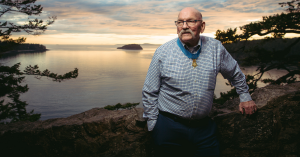
Medal of Honor recipient Gary Beikirch, today. After coming out of the cave, he returned to SUNY-Brockport, eventually earning a master’s degree in educational counseling. He enjoyed a 33 year career working in public schools. His students affectionately referred to him as “Mr. B.” 
Medal of Honor recipient Gary Beikirch, today. After coming out of the cave, he returned to SUNY-Brockport, eventually earning a master’s degree in educational counseling. He enjoyed a 33 year career working in public schools. His students affectionately referred to him as “Mr. B.

If there’s one new consistent in the world today, it’s disappointment due to changed plans. But that might not be such a bad thing overall for a person’s psyche, according to Gary Beikirch, 72, an elite former Green Beret Army medic who lives today near Rochester, New York.

Beikirch learned important lessons from a historic self-imposed season of isolation he undertook after coming home from the Vietnam War.

Today, as people around the world wrestle with loss and life-changing uncertainties, the lessons Beikirch learned are more important than ever.

Gary was told, “The military will either kill you or make you a better man. You have to decide. He enlisted. This is him just out of basic training, ready to serve.

Beikirch was severely wounded during a devastating firefight in Vietnam’s Central Highlands region. On April 1, 1970, he and some 400 Montagnard soldiers and 12 Green Berets were shellacked by enemy fire while trying to protect 2,300 women and children inside a tiny village called Dak Seang.

Some 10,000 enemy soldiers had surrounded the village in secret, intent on wiping it off the face of the map. The Green Berets and indigenous fighters fought back with all they had. Still, they were outnumbered 24 to 1.

Gary as an official Green Beret, a few days before he left for Vietnam. As a medic, he was a specialist fourth class, US Army, Company B, Fifth Special Forces Group. (He would eventually become a sergeant.)

Inside the village, the carnage was horrific. Soldiers were getting hit and dying—and so were the women and children.

Beikirch was hit three times in his stomach, hip, and back, and paralyzed from the waist down. His war should have been over. But as the medic lay bleeding on the battlefield, he knew he still had a job to do. With the battle still raging, he called two helpers to his side and ordered them to carry him.

For hours, still under a hail of fire, Beikirch was dragged from person to person as he continued to do his job, administering aide to the wounded, helping anyone he encountered.

For his selfless actions above and beyond the call of duty, Beikirch would later receive the Medal of Honor, the United States’ highest and most prestigious military distinction for acts of valor.

An aerial view of Camp A-245, Dak Seang, in the Central Highlands region of Vietnam. The airstrip is along the top. Rows of barbed and concertina wire surround the camp.

You would think Beikirch would have received a hero’s welcome and ticker tape parade when he came home. But like so many of his generation of military personnel, that was far from the case.

After being medivacked off the battlefield to a series of hospitals and then flown back to the United States, Beikirch eventually healed in body and learned to walk again. But he was still wounded in spirit from his combat horrors.

The trauma was only compounded when he returned to university. He was called names, shoved in the hallways, literally spit upon, and harassed just for being a veteran.

A Vietnam version of the Band of Brothers, 1969. Gary (front row, in hat) with fellow Green Beret forces and Montagnard fighters. They became close friends and allies.

So Beikirch took a cue from Thoreau. With disappointment mounting and threatening to unravel his tenuous mental and emotional state, Beikirch decided to “drop out” of society.

He grabbed a notebook and his guitar and hiked far out into the craggy, vastly-treed Northern Appalachians.

There, for 18 months, he lived inside a cave. Yes, you read that correctly. Inside his self-imposed mountain seclusion, Beikirch endured two frigid winters.

He bathed in streams, ate army rations, and talked to the walls about the dismay inside of him. It was social distancing of the rawest kind.

Montagnard children in the Central Highlands region. The enemy considered the Montagnards an inferior race, worthy only of extinction. This is who Gary was helping to defend.

To be clear, Beikirch’s disappointment stemmed from responses of fellow citizens who didn’t understand or respect his service, not from missed opportunities while social distancing.

But the solution to overcoming disappointment ended up emerging from his radical change of plans. Only by avoiding people, canceling life as he knew it, and hunkering down inside protective walls, was he buffeted into the person he was meant to be.

Mais la solution pour surmonter la déception a fini par émerger de son changement radical de plans. Ce n’est qu’en évitant les gens, en annulant la vie telle qu’il la connaissait et en s’enfermant dans des murs de protection qu’il a été frappé contre la personne qu’il était censé être.

Nhưng

His goals were clarified. His vision and perspective were redefined. The same can be true for us, Beikirch said today. Disappointment can actually become a professor, teaching us life’s richest lessons.

Mục tiêu của ông được làm rõ. Tầm nhìn và quan điểm của ông đã được tái định hình. Điều tương tự cũng có thể đúng với chúng ta, Bieirch nói hôm nay. Sự thất vọng có thể là 1 giáo sư, dạy cho chúng ta những bài học quý gió nhất của cuộc sống.

Snapshot of an article in Stars & Stripes that described the Siege of Dak Seang, a horrific battle that ultimately raged for 38 days. Despite overwhelming odds and aggression, the village did not fall into enemy hands.

For instance, late one autumn during his season of living in the cave, Beikirch hiked toward the summit of Mount Adams. The trail felt slippery.

Ví dụ, vào cuối mùa thu năm ấy, trong mùa sống trong hang động, Beikirch đã đi bộ lên đỉnh núi Adams. Đường mòn khá trơn trượt.

Early snow nearly froze his gloved fingers. In steep places, he needed to climb boulders hand over hand, and Beikirch initially cursed the obstacles. The boulders were cold and unyielding, surely an impediment to his progress.

Yet when the summit came into view at last, so did a new awareness. As Beikirch looked down the trail from the top of the mountain, he saw how the very challenges he had cursed had actually helped him succeed.

The boulders in his way hadn’t been obstacles after all. During the slippery climb, the boulders had acted as rungs on a ladder. The perceived disappointments had actually given him traction, boosting him to reach his goal.

President Nixon presents Gary Beikirch with the Medal of Honor.

Later, back at the cave, Beikirch found a serious blizzard brewing. Temperatures plummeted. The wind shrieked. Anxiety welled up within the young veteran, but he chose to stay calm. During Green Beret training, he’d learned not to complain no matter his circumstances.

Complaining only compounded hardship and eroded confidence. So now he simply shook the blood to his extremities, bundled up in his sleeping bag, and hoped for the storm to pass. He couldn’t control the blizzard. But he could control his response.

“If I had chosen to complain, it would have only undermined my strength and motivation,” Beikirch said. “That’s the same for any of us today, too. Complaining only hurts yourself, not to mention the morale of the people around you.

The key is to focus on what you can do—on what you can control. Then you’ll find the determination to go forward.”

No photographs exist of the cave that Gary lived in. In latter years, Gary returned several times to the spot, sometimes with friends. Note the ruggedness of the terrain. Gary describes the wilderness as his professor, teaching him how to live.

Today, as the COVID-19 pandemic continues to impact lives worldwide, Beikirch said he’s comforted by the thought that despite the massive disappointment and life-altering changes, people are pulling together.

When the 101st Airborne Saved Friend and Foe

He admits that dealing with disappointment is seldom easy, even though he learned important lessons and grew from his time inside the cave. He hopes that people will win their mind-and-heart battles by perspective and faith.

Medal of Honor, Gary Beikirch is pictured with his biographer, New York Times bestselling author Marcus Brotherton. Gary’s biography is titled “Blaze of Light.”

Marcus Brotherton is a four-time New York Times bestselling author.

His newest book, Blaze of Light, is a biography of Medal of Honor recipient Gary Beikirch.  You can purchase the book here: Amazon / WMBooks

And he wears the Medal of Honor in tribute to something far greater than himself, with the hope of encouraging anyone who’s ever fought through a battle or sheltered in a cave.

Marcus Brotherton

Marcus Brotherton is one of the authors writing for WAR HISTORY ONLINE